The mirror can be a powerful judge. Perhaps you spent your teenage years feeling self-conscious about a crooked smile, but the thought of getting braces back then was simply too much to handle. Or maybe your teeth have shifted subtly over the years—a common occurrence that happens long after adolescence. You might look at your smile today and think, “It’s too late. Orthodontic treatment is just for kids.”
This widespread belief is one of the biggest myths in modern dentistry. The truth is, age is not a barrier to achieving a straight, healthy smile. Thanks to remarkable advancements in orthodontic science and technology, adult braces and aligners are more comfortable, discreet, and effective than ever before. Whether you are 25 or 65, the fundamental biological process that allows teeth to move remains active throughout your life. Investing in your smile as an adult is not merely an aesthetic choice; it’s a commitment to improving your long-term oral health, overall comfort, and self-confidence.
This comprehensive guide will dismantle the myth of the age limit, explore the profound practical and psychological benefits of adult orthodontics, and introduce you to the cutting-edge, subtle treatment options available today. It’s time to move past that lingering hesitation and discover exactly why it’s never too late to start the journey toward the smile you’ve always wanted – visit https://arcdentalsurgery.co.uk/ to find out more.
Dispelling the Myth: The Science Behind Adult Tooth Movement
The most critical factor in orthodontic treatment is the ability of your body to respond to pressure, not your chronological age. The process by which teeth move is called bone remodelling, and it is a fascinating, continuous cycle that happens naturally throughout life.
When constant, gentle pressure is applied to a tooth (as provided by braces or aligners), the bone on one side of the tooth is dissolved (resorption), creating space. Simultaneously, new bone is deposited (deposition) on the opposite side of the tooth’s root to stabilise it in its new position. This biological mechanism does not switch off after adolescence. It is entirely active in adulthood.
While the bone around adult teeth is slightly denser than the bone in a growing teenager, which sometimes means tooth movement is slightly slower or requires more delicate force, the principle is identical. The notion that “adult bones are too hard” is simply inaccurate. The treatment may take a little longer in some complex cases due to the mature bone structure, but the end goal remains perfectly achievable.
The primary difference between treating a teenager and an adult lies not in the age of the patient, but in the goals and existing conditions of the mouth:
- Growth Modification is Complete: Teenagers still have growing jawbones, allowing a specialist to guide skeletal alignment. This option is not available for adults whose growth has stopped. Adult corrections often involve more tooth movement and less jaw manipulation.
- Existing Dental Work: Adults are more likely to have existing dental work (crowns, bridges, fillings) or historical gum issues (periodontal disease). These factors require more careful and collaborative planning with other dental specialists, but rarely make treatment impossible.
In essence, if your gums and supporting bone structure are healthy—which is the case for most people who maintain good oral hygiene—you are an excellent candidate for orthodontic treatment. The ability to achieve a straight, beautiful smile is an ongoing opportunity, regardless of how many candles were on your last birthday cake.
The Practical and Profound Benefits of Adult Orthodontics
Choosing to straighten your teeth later in life delivers benefits that extend far beyond simply improving your appearance. For adults, orthodontic treatment is often a necessary measure to protect and preserve their long-term oral health.
1. Enhanced Oral Hygiene and Disease Prevention
A crooked, crowded, or overlapped smile creates a prime spot for bacteria. When teeth are tightly packed together, it’s nearly impossible for a toothbrush or dental floss to reach all surfaces and remove plaque effectively. This accumulation of plaque dramatically increases your risk of developing two major, costly, and potentially painful conditions:
- Periodontal Disease (Gum Disease): Misaligned teeth can lead to areas that are difficult to clean, causing chronic inflammation and infection of the gums. Untreated gum disease is the leading cause of adult tooth loss in the UK and has been linked to systemic health issues, including heart disease and diabetes. Straight teeth provide easy access for proper brushing and flossing, significantly lowering your risk.
- Tooth Decay (Cavities): Similarly, crowded areas trap food debris and plaque, leading to rapid enamel erosion and decay. Correcting alignment makes the entire tooth surface accessible for routine care and fluoride exposure, making your daily cleaning far more effective.
2. Improved Function and Reduced Abnormal Wear
A perfectly aligned smile is designed to distribute the forces of biting and chewing evenly across all teeth. When teeth are misaligned, only certain teeth—often the front ones—bear the brunt of chewing forces. This can lead to serious functional problems:
- Abnormal Wear (Attrition): Misaligned teeth that rub against each other improperly will wear down much faster than normal. Over time, this erosion can compromise the tooth structure, exposing the sensitive dentin and leading to sensitivity, chipping, or fracturing. Straightening the bite ensures teeth meet correctly, protecting their surfaces from premature damage.
- Relief from Jaw Pain (TMD/TMJ): A poor bite (malocclusion) can cause chronic strain on the muscles and joints of the jaw (the Temporomandibular Joint, or TMJ). The jaw muscles overwork to compensate for a misaligned bite, often resulting in tension headaches, neck pain, and chronic jaw discomfort (Temporomandibular Disorder, or TMD). Correcting the bite often alleviates these associated symptoms, dramatically improving your overall quality of life.
3. Aesthetic Confidence and Professional Advantage
While health benefits are primary, the boost to self-esteem that comes with a straight smile cannot be overstated. A confident smile projects competence, friendliness, and vitality, which can be invaluable in social and professional life.
- Increased Self-Confidence: Adults who feel self-conscious about their smile often cover their mouths, avoid smiling in photos, or hesitate to speak up in social and professional settings. Achieving the smile they desire can be truly transformative, unlocking a new level of social ease and self-assurance.
- Professional Perception: Studies have shown that people with straight, healthy teeth are often perceived as more successful, confident, and professional. In today’s competitive environment, feeling assured about your appearance can provide a subtle yet powerful edge.
The Solution: Modern, Discreet Orthodontic Options
One of the main reasons adults shy away from treatment is the fear of wearing noticeable “metal tracks” for years. Thankfully, modern orthodontics offers several discreet, high-tech options that fit seamlessly into a busy, professional adult lifestyle.
1. Clear Aligner Therapy (The Virtually Invisible Option)
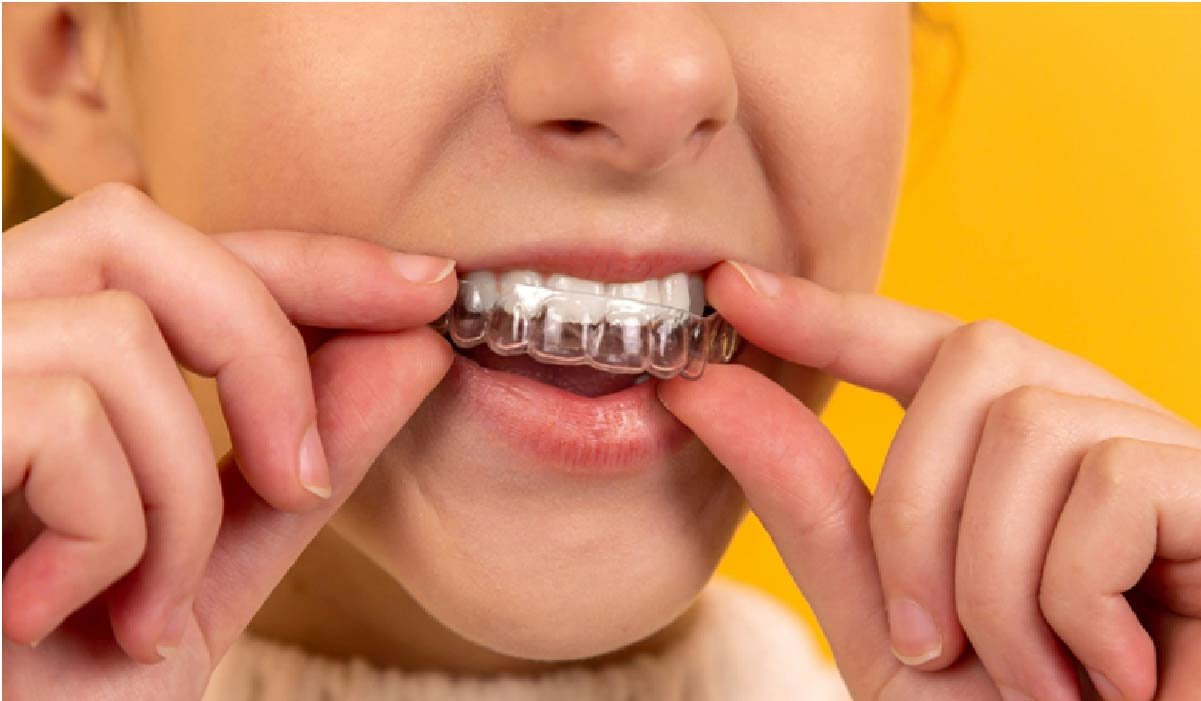
Clear aligners have truly revolutionised adult orthodontics. These systems use a series of custom-made, clear, plastic trays that fit snugly over your teeth. You wear each tray for a specified period (typically 1–2 weeks) before moving to the next set in the series, gradually shifting your teeth into position.
- Discreet Appearance: The plastic is virtually invisible, meaning most people won’t even notice you are wearing them. This is the top reason for their popularity among working professionals and those with active social lives.
- Convenience: They are removable. You take them out to eat, drink (anything other than water), brush, and floss. This means no dietary restrictions and no compromise on your meticulous oral hygiene routine.
- Predictable Results: Advanced digital planning is used to map out every tooth movement, allowing you and your clinician to preview your final smile before treatment even begins.
2. Ceramic (Clear) Braces
For cases that require the precision and strength of traditional brackets but demand a subtler look, ceramic braces are an excellent compromise.
- Aesthetic Upgrade: Instead of metal, these braces use tooth-coloured or clear ceramic brackets that blend in with your natural teeth. The archwires can often be treated or coated to be tooth-coloured as well, further minimising visibility.
- High Control: They function identically to traditional braces, making them ideal for more complex movements where clear aligners might be less suitable or require more time.
3. Lingual Braces (Completely Hidden)
Lingual braces are the ultimate solution for discretion. These custom-made metal brackets and wires are bonded to the inside (lingual surface) of the teeth.
- Totally Invisible: The entire mechanism is hidden from view, making them a popular choice for public-facing professionals, actors, or anyone who absolutely does not want their treatment to be noticeable.
- Customised Treatment: Because they are custom-made for the unique shape of the back of your teeth, they can be highly effective, though they often require more specialised training for the professional to install and adjust.
4. Traditional Metal Braces
While often associated with teenagers, traditional metal braces remain the most reliable, durable, and often the most cost-effective option. Today’s metal braces are smaller, flatter, and more comfortable than their predecessors. For complex cases requiring significant tooth rotation or vertical movement, they can often achieve results that are faster and more predictable than other methods.
Navigating Adult-Specific Orthodontic Concerns
Adult patients often present with a unique set of dental histories that require thoughtful planning before starting treatment. A qualified professional will meticulously assess these factors to ensure a safe and successful outcome.
Existing Restorations: Crowns, Bridges, and Fillings
It is very common for adult patients to have existing dental work, such as fillings, crowns, and even dental implants.
- Fillings and Veneers: These are rarely a problem. Brackets can be safely bonded to porcelain or composite surfaces.
- Crowns: Brackets can generally be affixed directly to crowns. If a crown is old or requires replacement, it may be planned for after the orthodontic treatment is complete, as the new crown will be designed to fit perfectly with the newly aligned teeth.
- Bridges: Bridges (which link multiple teeth) prevent the attached teeth from moving independently. If you have a bridge in the treatment area, it will need to be carefully assessed and possibly removed and replaced with a temporary solution during treatment. This is a common and manageable part of the planning process.
- Dental Implants: It is crucial to remember that a dental implant is fused permanently into the bone and will not move. Implants must be treated as anchor points. This means the movement of surrounding natural teeth must be carefully planned around the fixed position of the implant, which a skilled specialist will account for.
Gum Health and Bone Density
A healthy foundation is paramount for adult orthodontics. Any active gum disease (periodontitis) must be treated and stabilised by a periodontist (gum specialist) before tooth movement can safely begin. Moving teeth in the presence of active infection can lead to bone loss, receding gums, and potential tooth mobility.
- Importance of a Periodontal Check-up: Your initial consultation will include a thorough assessment of your gum health and bone levels, often involving specific radiographic measurements. If the supporting foundations are healthy, tooth movement is safe.
- Bone Density: While adult bone is denser, it’s not an impediment. Instead, it simply requires the professional to use lighter, more consistent forces to ensure movement is steady, comfortable, and predictable, minimising any risk to the roots.
Treatment Duration and Cost
Many adults are pleasantly surprised to learn that their treatment time is often comparable to that of adolescents, typically ranging from 12 to 24 months, depending on the complexity of the correction needed. Limited or purely aesthetic treatments, often focusing on the front teeth, can sometimes be completed in under a year.
In terms of cost, modern dentistry understands that a major investment requires flexibility. Many clinics offer various financing plans, allowing patients to spread the cost over the duration of the treatment, making a straight smile more accessible than ever before. Viewing the cost as a long-term investment in health and confidence helps put the decision into perspective.
The Essential Role of Retainers
For adults, the long-term stability of the results is often a primary concern, especially if the teeth have shifted before. The retention phase is critical and non-negotiable.
- Lifelong Commitment: After your teeth are moved into their final, ideal position, they will naturally want to drift back toward their original location—a process called relapse. To prevent this, you must wear retainers.
- Fixed and Removable Retainers: Most patients receive both a fixed (or bonded) retainer—a thin wire cemented to the back surface of the front teeth—and a custom removable retainer (often similar to a clear aligner) to wear at night. This dual approach offers the best security against future movement, guaranteeing your investment lasts a lifetime.
The First Step: Consultation and Customised Planning
The journey to a straighter smile begins with a professional assessment. If you are considering adult orthodontics, the first step is to schedule a consultation. This visit is far more than just a quick chat; it is a meticulous diagnostic process that ensures your treatment plan is safe, effective, and tailored to your unique biology.
What Happens During the Initial Consultation?
- Comprehensive Examination: A thorough check of your teeth, bite, and jaw alignment.
- Diagnostic Records: This includes taking digital X-rays, possibly 3D Cone Beam CT scans (CBCT) to assess bone structure, and digital scans or impressions of your teeth.
- Treatment Plan Development: The professional will review all data, including your existing dental history, to design a customised plan. This plan will recommend the best appliance (clear aligners, ceramic braces, etc.), outline the necessary tooth movements, and provide a clear estimate of the treatment length and cost.
This initial planning stage ensures all potential adult-specific issues—from existing crowns to periodontal status—are addressed upfront, guaranteeing that your treatment is built on a solid foundation of health.
Final Thoughts: Embrace the Opportunity
The myth that orthodontic treatment is only for adolescents is outdated and keeps far too many adults from achieving the smile they deserve. The science of tooth movement holds true at any age. Modern, discreet appliances have eliminated the aesthetic concerns that once held back many individuals.
Your oral health is a lifelong project, and correcting alignment issues can prevent future, often more costly and painful, problems like gum disease, abnormal tooth wear, and chronic jaw pain. Whether you seek the quiet confidence of a perfectly straight smile or the lasting health benefits of a correctly aligned bite, know this: it is absolutely never too late to start. Take that first step and invest in the future of your smile.