

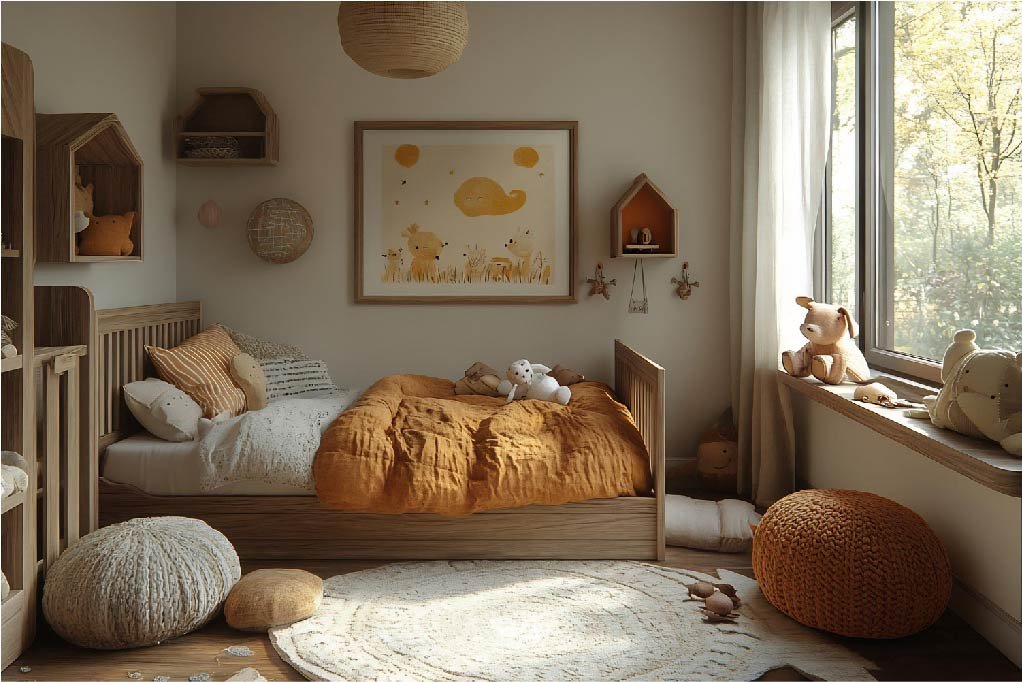
Designing a bedroom for a child is one of the most rewarding interior design projects you can undertake. Unlike the living room or kitchen, which must serve the practical needs of the entire household and often adhere to a specific aesthetic flow, a child’s bedroom is a realm of pure potential. It is a sanctuary for sleep, a playground for imagination, and a quiet corner for study. However, the most important function of this room is to provide comfort.
Creating a space that feels safe, warm, and inviting—in a word, cosy—is essential for your child’s well-being. A cosy room encourages better sleep hygiene, reduces anxiety, and fosters a sense of ownership. But how do you balance the whimsical desires of a child with the practical needs of a growing human, all while maintaining a stylish home?
In this expert guide, we will walk you through the essential steps to design a cosy bedroom for your kid. From harnessing the power of light colours to choosing the perfect furniture and hiring the right professional decorator to bring your vision to life, here is everything you need to know.
The Foundation: Setting the Mood with Colour
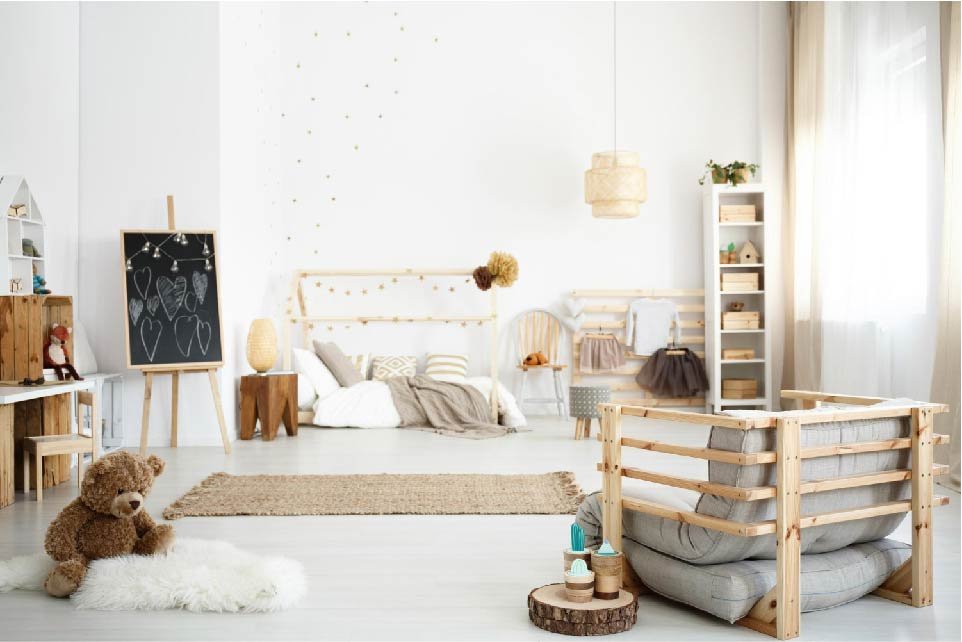
The colour palette is the foundation upon which the entire room is built. When you ask a child what colour they want their room to be, the answer is often “bright red” or “neon green.” While it is important to respect their preferences, an entire room painted in high-energy, saturated colours can be overstimulating and actually shrink the visual size of the room, making it feel claustrophobic rather than cosy.
Use Light Colours to Open Up the Space
To create a truly serene and cosy environment, the golden rule is to use light colours to open up the space. Light, neutral tones act as a blank canvas, reflecting light rather than absorbing it. This is particularly important if the bedroom is on the smaller side, as is common in many family homes.
Opt for soft whites, creams, heavy milky pastels, or very pale greys. These shades recede from the eye, pushing the walls back and creating an illusion of airiness. However, “light” does not have to mean “boring.” You can choose a “warm white” with yellow or red undertones to create a snug feeling, rather than a “cool white” which can feel clinical.
Using light colours on the walls allows you to introduce those brighter, favourite colours your child loves through accessories—bunting, bed linen, rugs, and artwork—which can be easily changed as their tastes evolve from superheroes to sports or music.
The Psychology of Soft Hues
Beyond just space management, colour psychology plays a massive role in how cosy a room feels. Soft blues and greens are scientifically proven to lower heart rates and induce calmness, making them perfect for a sleep environment. If you want a warmer cosy feel, look at dusty pinks, apricots, or warm oat shades. These colours wrap the room in a gentle hug without overwhelming the senses.
Illuminating the Sanctuary: The Power of Light
Lighting is the secret weapon of interior design. You can buy the most expensive furniture and paint the walls the perfect shade, but if the lighting is harsh or insufficient, the room will never feel cosy.
Maximise Natural Light
The most inviting rooms are those that feel connected to the outside world. You must aim to maximise natural light wherever possible. Natural daylight boosts serotonin (the happy hormone) and helps regulate your child’s circadian rhythm, making it easier for them to wake up in the morning and fall asleep at night.
To achieve this, avoid heavy, dark drapes that block the top third of the window even when open. Instead, mount curtain rods high and wide so that the curtains sit against the wall, not the glass, when drawn back. If privacy is an issue, consider sheer roller blinds or frosted film on the lower half of the window, which allows light to flood in from the top.
Mirrors are another expert trick to maximise natural light. Placing a mirror opposite or adjacent to the window will bounce the sunlight around the room, instantly making the space feel brighter and warmer during the day.
Layering Artificial Light
Once the sun goes down, the cosy factor relies on artificial lighting. The key here is “layering.” You need three types of light:
- Ambient Light: The main ceiling light for playing and cleaning.
- Task Light: A desk lamp for homework or a focused reading light.
- Accent/Mood Light: This is crucial for cosiness. Think fairy lights draped over a headboard, a warm-glow nightlight, or a dimmable lamp in the corner.
Avoid cool-white LED bulbs in the evening; opt for warm-white bulbs (2700K to 3000K) to mimic the warm glow of a sunset, signaling to the child’s brain that it is time to wind down.
Furniture Selection: Scaling for Comfort
A common mistake parents make is filling a child’s room with adult-sized furniture that looks imposing and leaves little room for play. To create a truly functional and comfortable space, you must opt furniture for kid-sized proportions.
Opt Furniture for Kid
When we say “opt furniture for kid,” we mean furniture that respects their physical scale and their developmental needs. A cosy room is one where the child feels capable and independent.
- The Bed: If the child is transitioning from a crib, a low-profile bed or a floor bed (Montessori style) can make the room feel larger and allow the child to get in and out safely.
- Storage: Open shelving at the child’s height allows them to reach their own toys and books. This fosters independence and makes the room feel like theirs, not just a room they sleep in.
- Tables and Chairs: A small table and chair set provides a dedicated creative zone. When furniture fits their body, they are less likely to fidget and more likely to engage in “quiet time” activities like drawing or reading, which contributes to the peaceful atmosphere of the room.
The Importance of Soft Edges
For a cosy aesthetic (and safety), look for furniture with rounded edges and soft lines. Curved headboards, round rugs, and oval tables soften the architectural straight lines of a boxy room. Wood finishes also add warmth; natural oak or pine brings a texture that painted plastic simply cannot replicate.
Decorating Tips for Bedroom for Kid: The Finishing Touches
Once the walls are painted and the furniture is placed, the magic happens in the detailing. Here are specific decorating tips for a bedroom for a kid that elevate the “cosy” factor.
Textural Variety
Cosiness is largely tactile. A room with flat walls, a flat floor, and hard furniture feels cold. Youneed to layertextures.
- The Floor: If you have hard flooring, a large, high-pile rug is non-negotiable. It provides a soft surface for floor play and warms up the acoustics of the room.
- Bedding: Mix and match materials. Cotton sheets, a fleece throw, and a velvet cushion create a nest-like environment that is irresistible at bedtime.
- Window Treatments: Even if you have blinds, adding curtains adds softness to the vertical surfaces.
Create a “Nook”
Every expert designer recommends creating a designated “quiet corner” or nook. This could be a beanbag chair under a canopy, a window seat with plenty of pillows, or a small teepee in the corner. This specific zone is dedicated to relaxation—no noisy toys allowed. It provides a physical space for the child to retreat to when they feel overwhelmed, enhancing the emotional safety of the bedroom.
Personalization with Restraint
A cosy room reflects the personality of its inhabitant. Display their artwork in nice frames rather than taping it haphazardly to the wall. Use floating shelves to display their favourite Lego builds or collectables. By curating their belongings rather than letting them clutter every surface, you honor their interests without allowing the room to become chaotic. Clutter is the enemy of calm, so ensure there are ample baskets and bins to hide the “messy” toys at the end of the day.
Bringing in the Professionals: How to Choose the Right Painter and Decorator
While many parents attempt the DIY route, achieving a high-end, durable, and safe finish often requires professional help. A sloppy paint job or poorly hung wallpaper can ruin the relaxing vibe you are trying to create. Knowing how to choose the right painter and decorator to design a bedroom for a kid is a critical step in the process.
Why Hire a Professional?
Designing for children comes with specific safety and durability considerations that general handymen might miss.
- Paint Safety: Professionals are knowledgeable about Low-VOC (Volatile Organic Compounds) and Zero-VOC paints. These are essential for children’s rooms as they do not off-gas harmful chemicals, ensuring the air quality remains pure for your little one.
- Durability: Kids are tough on walls. A professional knows which finishes (like eggshell or satin) are scrubbable and easy to clean, whereas a DIYer might choose a flat matte that marks instantly.
- Speed and Efficiency: You don’t want your child displaced from their room for weeks. A pro team can prep, prime, and paint a room to a perfect standard in a fraction of the time it takes an amateur.
Vetting Your Professionals
When looking for a tradesperson, do not simply pick the cheapest quote. Here is a checklist for hiring:
- Check the Portfolio: Ask specifically to see photos of children’s rooms they have done. Look at the “cutting in” (the lines between the ceiling and wall)—this is the mark of a steady hand.
- Ask About Prep Work: A good finish is 80% preparation. Ask them how they plan to protect the floor and furniture, and how they prepare the walls. If they don’t mention filling cracks and sanding, look elsewhere.
- Consultation Skills: A great decorator acts as a consultant. If you suggest a dark purple ceiling and a small room, a good professional should gently suggest alternatives or explain how that might impact the light. They should be willing to discuss colour charts and finishes with you.
- References and Insurance: Always check reviews and ensure they have liability insurance. You are inviting them into your family home; trust is paramount.
Sustainability and Longevity
Finally, a truly well-designed room is one that lasts. When designing a cosy bedroom, think about the future. That “toddler-sized” mural might be cute now, but will it be embarrassing in three years?
This is why the strategy of using neutral, light backgrounds and high-quality furniture is so effective. It allows the room to grow with the child. “Cosy” changes definition as a child ages. For a toddler, cosy is a soft rug and a nightlight. For a teen, cosy is a plethora of throw pillows and blackout curtains for sleeping in. By building a flexible foundation, you save money and effort in the long run.
Conclusion
Designing a cosy bedroom for your kid is about more than just aesthetics; it is about creating an environment that nurtures their growth, protects their sleep, and stimulates their imagination.
By focusing on the fundamentals—using light colours to open up the space, maximising natural light to boost mood, and opting for furniture that fits their size—you create a room that functions beautifully. When you layer in soft textures, warm lighting, and personal touches, you turn that functional space into a cosy haven.
And remember, you don’t have to do it alone. Knowing how to choose the right painter and decorator ensures that the execution matches your vision, using safe materials and professional techniques.
Your child’s bedroom is the backdrop to their childhood memories. With careful planning, a bit of psychology, and the right help, you can design a space that feels like a warm hug every time they walk through the door.