Drug test cups have become the frontline tool for organizations that need quick, reliable screening with minimal training and workflow disruption. For HR teams, clinic staff, workplace safety managers, and remote testing coordinators, the right cup balances ease of use with laboratory-grade accuracy. This article explains how drug test cups work, which features matter most for simplicity and accuracy, how to choose the right type for different scenarios, and practical best practices for administering and interpreting results, all from a compliance-aware perspective.
How Drug Test Cups Work: Basics You Need To Know
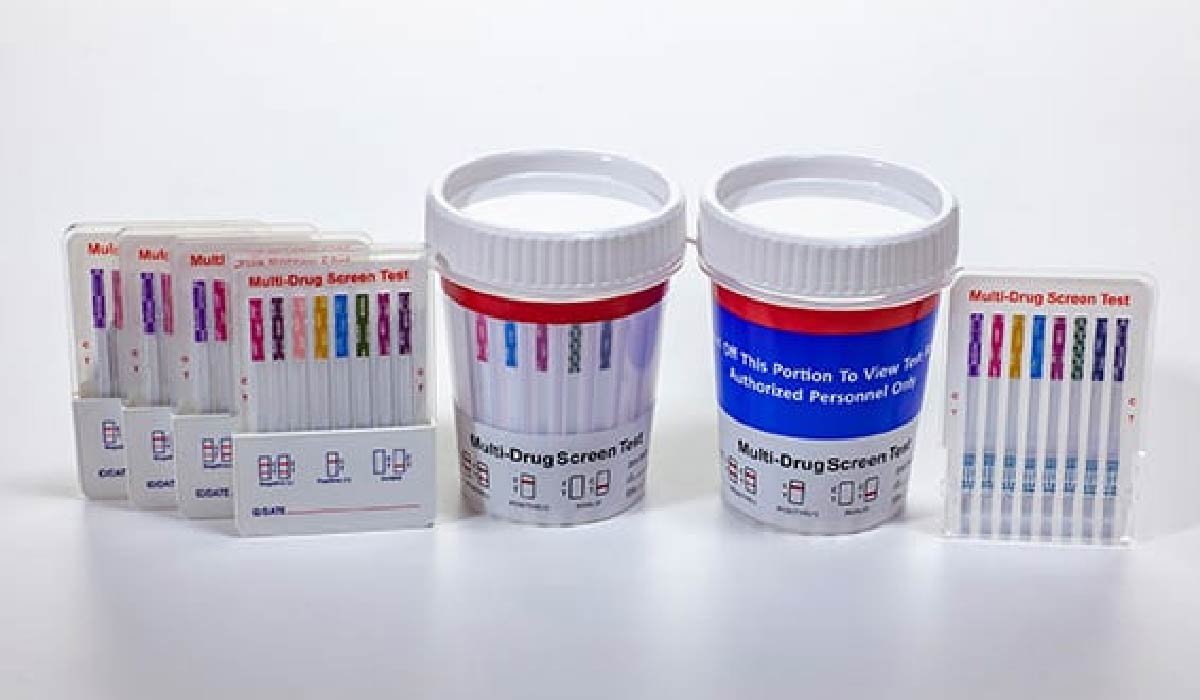
Drug test cups are single-use collection devices that combine specimen collection, initial screening, and sometimes integrated validity checks. The basic workflow is straightforward: a donor provides a urine sample directly into the cup, the tester reads lateral-flow immunoassay results through a viewing window, and, when required, a portion of the sample is sealed for confirmatory lab testing.
Technically, most rapid cups rely on immunoassay strips coated with antibodies specific to target metabolites. If the metabolite concentration exceeds a predefined cutoff, a competitive binding reaction yields a visible line pattern indicating a non-negative (screen-positive) result. If no target is present above the cutoff, the control and test lines appear differently, indicating a negative.
Two practical points matter for organizations: first, cutoff thresholds (e.g., 50 ng/mL for some drugs) determine sensitivity and must match workplace policy or regulatory requirements. Second, cups are screening tools, positive or adulterated screens should be sent for laboratory confirmation to avoid false positives due to cross-reactivity, medications, or improper handling.
Key Features That Drive Simplicity And Accuracy
Several design and manufacturing features make a drug test cup both simple to use and accurate in real-world settings:
- Integrated validity checks: Modern cups often include temperature strips, specific gravity indicators, and pH markers that flag diluted, substituted, or tampered specimens at collection. These reduce wasted confirmatory tests and help identify potential cheating.
- Clear result windows and color-stable reagents: High-contrast viewing windows and reagents formulated for minimal fading cut down on ambiguous reads, which helps nonclinical staff produce consistent interpretations.
- Sealed sample ports and tamper-evident caps: These improve chain-of-custody integrity during transport to a lab and reduce contamination risk.
- Standardized cutoff calibration: Reliable suppliers calibrate cups to industry cutoffs (e.g., SAMHSA guidelines) and provide batch-level documentation, which supports defensible testing programs.
- Shelf-life and storage resiliency: Quality cups resist temperature fluctuations and maintain reagent stability for the stated shelf life, important for organizations buying in bulk or storing kits on-site.
These features translate to fewer administrative headaches and lower downstream costs from repeat collections or unnecessary confirmatory testing.
Types Of Drug Test Cups And When To Use Each
Not all drug test cups are identical, selecting the right type depends on intent and context.
- One-step screening cups: Designed for point-of-care testing where rapid pass/fail decisions are needed, such as pre-employment or on-site safety checks. They’re cost-effective and fast but always require lab confirmation for positives.
- Instant-read multi-panel cups: These show results for several drug classes (commonly 5- or 10-panel). They suit workplaces with broader testing policies or random testing programs and reduce the need for multiple collections.
- Adulteration/validity-focused cups: Built with enhanced markers for tampering detection. They’re recommended in high-risk environments (DOT-regulated sectors, safety-sensitive roles) or when donor supervision is minimal.
- Laboratory-transfer cups: These let staff seal and ship the specimen directly for confirmatory testing without decanting, preserving chain-of-custody and minimizing handling errors.
Choice depends on factors like the frequency of testing, required panel breadth, regulatory environment, and whether tests will be used as presumptive screens or primary evidence in HR actions.
Selecting The Right Drug Test Cup For Your Organization
Selecting a cup requires balancing cost, accuracy, compliance, and operational fit.
First, audit testing objectives: is the goal to deter drug use, screen applicants, meet regulatory mandates, or investigate incidents? For deterrence and routine screening, cost-effective 5-panel cups often suffice. When legal defensibility matters, choose cups with tamper-proof features and clear transferability to lab confirmation.
Second, evaluate vendor transparency. Reputable suppliers provide lot-specific certificates of analysis, clear cutoff information, and stability data. They should also offer guidance on storage conditions and expiration management, critical for organizations buying in volume.
Third, consider workflow alignment. If the HR team lacks medical oversight, choose cups with the fewest subjective interpretation steps and straightforward color changes. If the organization uses third-party collectors, choose sealed, chain-of-custody–friendly cups to streamline logistics.
Finally, build cost models that factor in false-positive rates, invalid results, and confirmatory testing costs. A cheaper cup with high invalid rates can be more expensive overall than a slightly pricier, higher-quality alternative.
Best Practices For Administering And Interpreting Tests
Accuracy in screening stems as much from process as product. These best practices reduce errors and legal exposure:
- Train staff on step-by-step collection and reading procedures, including timing windows for reading results and recognizing invalid tests.
- Use direct observation only when policy and privacy laws allow: otherwise, rely on validity markers and sealed collection methods.
- Record temperature, donor ID, and lot numbers at collection to reinforce chain-of-custody and support later confirmatory testing.
- Establish a confirmatory testing protocol: any non-negative screen should go to a certified lab (e.g., SAMHSA-certified) using GC-MS or LC-MS/MS methods.
- Maintain clear communications with donors: explain the process, potential next steps, and privacy protections to reduce disputes.
Following these steps reduces ambiguous outcomes and preserves organizational credibility when actions follow a positive result.
Quality, Compliance, And Certification Considerations
Quality and compliance underpin defensible testing programs. Organizations should look for:
- Manufacturer quality systems (e.g., ISO 13485) and FDA-cleared or registered devices when applicable.
- Alignment with industry cutoffs and awareness of jurisdictional requirements, DOT, state-level rules, or industry-specific mandates can dictate panel composition and cutoff values.
- Laboratory partnerships: confirmatory testing should be performed by accredited labs with documented methods and chain-of-custody processes.
- Documented training, standard operating procedures (SOPs), and retention policies for test records to support audits or litigation.
Adhering to standards reduces risk and protects both the employer and the employee in contested cases.
Conclusion
Drug test cups designed for simplicity and accuracy provide organizations a pragmatic balance between operational ease and forensic credibility. When paired with robust procedures, proper vendor selection, and confirmatory testing pathways, they become reliable components of workplace safety and compliance programs. Below are focused subsections that address common technical and operational considerations that influence choice and use.
Integrated Adulteration And Temperature Checks
Modern cups with built-in adulteration markers and temperature strips detect common tampering strategies and confirm fresh samples. Temperature checks immediately flag specimens outside expected ranges (usually 90–100°F), prompting re-collection or further investigation. Adulteration markers (pH, nitrite, specific gravity) help detect dilution or chemical alteration that could mask drug presence.
Panel Configurations: Single, 5-, 10-, And Extended Panels
Panel choice depends on screening goals. Single-panel cups target a specific substance: 5-panel is the industry workhorse covering common drugs (e.g., AMP, COC, OPI, THC, PCP). Ten-panel and extended panels include benzodiazepines, barbiturates, methadone, and other classes for broader surveillance or higher-risk environments.
Point-Of-Care Versus Laboratory Confirmation Testing
Point-of-care screening offers speed and convenience, but it’s a presumptive result. Confirmatory lab testing using GC-MS or LC-MS/MS is the accepted standard for definitive results used in disciplinary or legal actions. Establish clear thresholds and transfer protocols so point-of-care screening feeds directly into lab confirmation when needed.
Volume, Storage, And Cost Considerations For Bulk Purchases
Bulk buying reduces per-unit cost but requires inventory controls: rotate stock by expiration date, store at recommended temperatures, and track lot numbers. Evaluate total cost of ownership by factoring in confirmatory test rates and administrative overhead, often, slightly higher-quality cups yield savings by reducing invalid or inconclusive screens.
Chain-Of-Custody, Recordkeeping, And Privacy Best Practices
Maintain signed chain-of-custody forms, securely store results, and limit access to test records per privacy laws (e.g., HIPAA where applicable). Clear documentation supports defensible actions and ensures compliance during audits or disputes.
Interpreting Faint Lines, Invalid Results, And Next Steps
Faint test lines can result from concentrations near cutoff thresholds. Treat any non-negative (including faint) as presumptive positive and follow confirmatory protocols. Invalid results, missing control lines or unreadable indicators, require immediate recollection using a new kit and documentation of circumstances.
Common Regulatory Bodies And Relevant Standards (CLIA, FDA, DOT)
Organizations should be familiar with standards from bodies like CLIA (lab testing regulations), the FDA (device clearance/registration), and DOT (for safety-sensitive transportation roles). Local and state requirements may add additional constraints: consulting legal or occupational health experts ensures alignment.