
Building a home gym is exciting, but it can also feel confusing at the start. Many people focus on benches, racks, or machines first. In reality, one of the most important choices you will make is selecting the right weight plates. They affect how you train, how safe your workouts are, how much noise you make, and even how long your equipment lasts.
Good plates should match your goals, your space, and your budget. Some are built for heavy strength work, while others are better for fast, dynamic training. In this guide, you will learn the key differences in plate types, materials, sizes, and real-life use cases so you can choose with confidence.
If you are browsing options or comparing styles, looking at a full range of Weight plates can also help you understand what is available and which designs suit your setup.
Why Choosing the Right Weight Plates Matters
Weight plates are not just metal circles you slide onto a bar. They shape your whole training experience. The wrong type can damage floors, limit your progress, or make lifting uncomfortable. The right plates make your workouts safer, smoother, and more enjoyable.
They also last a long time. Many lifters keep the same plates for years, so it is worth taking time to choose wisely.
Understanding the Main Types of Weight Plates
Olympic Plates vs Standard Plates
The first thing to know is the difference between Olympic and standard plates. Olympic plates have a 50 mm center hole and are designed for Olympic barbells. Standard plates use a smaller hole, usually around 25 mm, and fit basic bars.
Most home gym owners choose Olympic plates because they are stronger, more stable, and easier to upgrade later. Olympic bars also spin better, which reduces strain on your wrists during lifts like cleans or presses.
Standard plates are cheaper and can work for beginners, but many people outgrow them quickly.
Bumper Plates vs Iron Plates
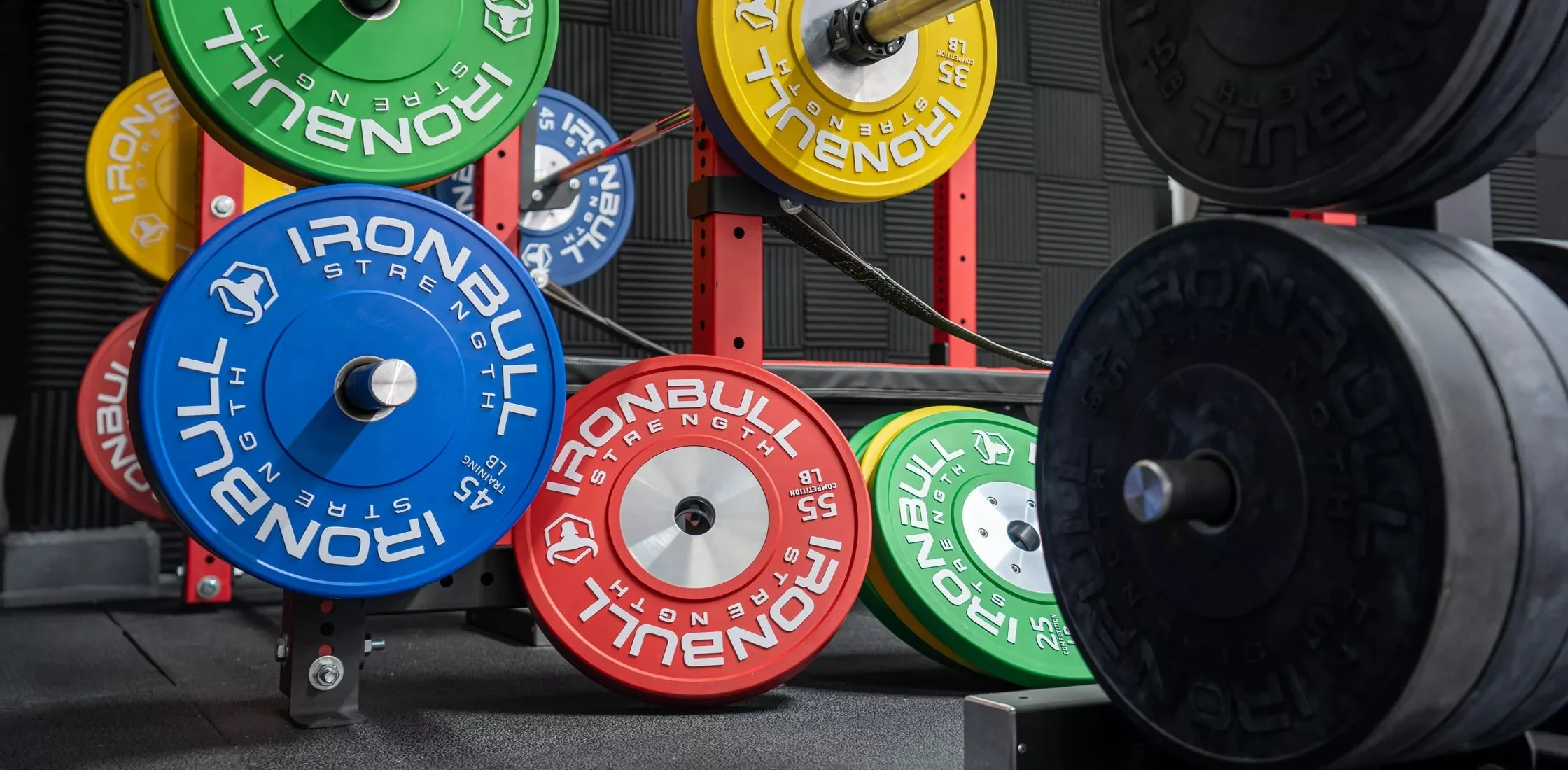
Bumper plates are made with a thick rubber layer. They are designed to be dropped safely, which makes them popular for CrossFit, Olympic lifting, and garage gyms. They protect floors and reduce noise.
Iron plates are thinner and often cheaper. They are ideal for slower lifts like squats, bench press, and deadlifts where the bar is controlled. Because they are compact, you can load more weight onto the bar.
Choosing between them often depends on how you train.
Weight Plate Materials Explained
Cast Iron Plates
Cast iron plates are the most traditional option. They are durable, simple, and usually affordable. Because they are thin, they allow heavy loading without taking too much bar space.
The downside is noise and floor damage. If dropped, they can crack tiles or dent concrete. They also rust if exposed to moisture.
These plates suit lifters focused on strength training who have proper flooring or lifting platforms.
Rubber-Coated Plates
Rubber-coated plates offer a balance between durability and protection. The rubber layer helps prevent scratches, reduces noise, and protects floors.
They are slightly more expensive than plain iron but last longer in most home gyms. Many people choose them because they feel safer, especially in shared spaces.
For most home gym owners, rubber-coated plates are a smart middle option.
Urethane and Premium Plates
Urethane plates are often seen in commercial gyms. They are very durable, resist cracking, and have little odor compared to cheaper rubber plates.
They cost more upfront but can last for many years with minimal wear. If you want a polished, professional setup and plan to train long term, they can be worth it.
Choosing the Right Plate Size and Weight Range
Beginner Weight Ranges for Home Gyms
Most beginners do not need a huge plate collection right away. A common starter setup includes pairs of 5 kg, 10 kg, 15 kg, and 20 kg plates. This range allows gradual progression without overspending.
It is also helpful to include small plates like 1.25 kg or 2.5 kg. These make it easier to increase weight slowly, which helps prevent injuries and improves long-term progress.
Plate Diameter and Thickness
Bumper plates usually share the same diameter regardless of weight. This keeps the bar at the correct height for Olympic lifts and makes dropping safer.
Iron plates vary in diameter, and heavier plates are usually larger. Thickness also matters. Thick plates limit how much weight you can load on the bar, while thinner plates allow heavier setups.
If you plan to lift heavy in the future, checking plate thickness is important.
Matching Weight Plates to Your Training Style
Strength Training and Powerlifting
For powerlifting-style training, many people prefer iron or rubber-coated plates. They are compact, stable, and work well for controlled lifts.
Small incremental plates are also important for strength programs because progress often comes in small jumps.
Cross-Training, HIIT, and Functional Fitness
If your workouts include fast movements or lifts from the floor, bumper plates are usually the better choice. They allow you to drop the bar safely and protect your equipment.
They are also quieter, which makes them ideal for garage gyms or homes where noise matters.
General Fitness and Family Gyms
For mixed-use spaces where multiple people train, a combination approach often works best. Rubber-coated plates or mid-range bumper plates offer safety, durability, and flexibility.
They handle different workouts well and reduce the chance of damage if someone makes a mistake.
Practical Buying Tips for Home Gym Owners
Floor Protection and Noise Control
Good flooring is just as important as good plates. Rubber mats or lifting platforms protect your floor and reduce sound.
If you live in an apartment or train early in the morning, quieter plates like rubber-coated or bumper plates can make a big difference.
Storage and Space Considerations
Weight plates take up space, especially as your collection grows. Plate trees, wall storage, or rack-mounted holders keep things organized and safe.
Compact iron plates save space, while bumper plates require more storage room. Think about where everything will go before buying a large set.
Budget vs Long-Term Investment
It is tempting to buy the cheapest plates available, but quality matters. Low-quality plates may crack, chip, or wear unevenly.
A better approach is to buy a solid starter set and expand over time. Good plates can last for many years, making them one of the smartest investments in your gym.
Final Thoughts — Building a Smart, Flexible Home Gym
Choosing the right weight plates comes down to three things: how you train, how much space you have, and how long you plan to use them. Materials affect durability and noise. Size and thickness affect how much weight you can load. Your training style determines whether you need iron, rubber, or bumper plates.
A thoughtful choice now can save money and frustration later. Start with versatile, durable plates that match your current workouts, and leave room to grow as your strength improves. With the right setup, your home gym becomes a place where training feels smooth, safe, and motivating every day.