
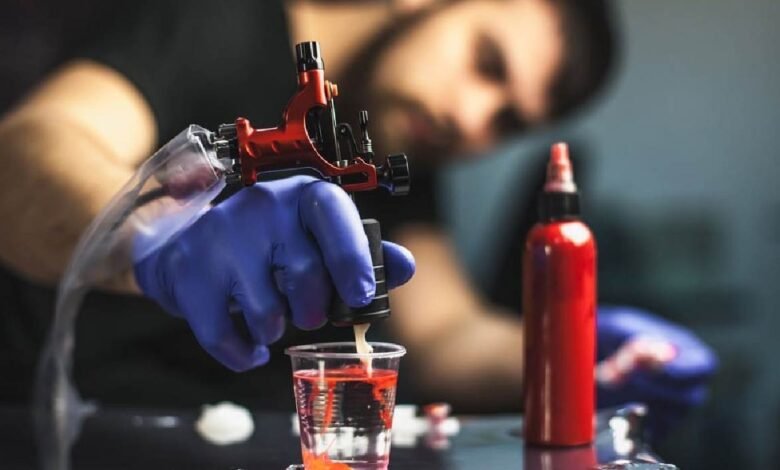
The craft of tattooing has undergone a profound metamorphosis, shifting from a marginalized subculture into a respected, highly sophisticated fine art movement.
Tattoo artists today operate in sanitized, clinical studio environments while wielding advanced rotary machines, custom digital designs, and an intricate understanding of human anatomy.
Becoming a recognized authority in this dynamic field requires dedication, continuous learning, and an acute awareness of hygiene standards and client safety.
Whether designing intricate Japanese sleeves across Melbourne or delicate fine-line florals in Sydney, seasoned professionals constantly refine their craft to stay ahead in a competitive market.
Defining Characteristics of Industry Authorities
What separates a standard amateur from a true visionary in skin art? Seasoned professionals exhibit specific behavioral, technical, and creative traits that allow them to consistently produce compelling body modifications.
Recognizing these attributes is essential for anyone aspiring to elevate their own portfolio:
- Mastery of Skin Mechanics: Experts understand how different body placements, skin elasticity, and pigment types interact under the needle to ensure long-term clarity.
- Uncompromising Sterilisation: Every station adheres strictly to cross-contamination protocols, utilizing medical-grade autoclaves and disposable barriers to safeguard public health.
- Technical Adaptability: Professionals seamlessly adjust voltage, hand speed, and needle grouping configurations to execute diverse styles like realism, traditional, or geometric work.
- Narrative Intent: Beyond tracing flash sheets, master practitioners collaborate with clients to translate personal milestones into cohesive, custom visual stories.
These core competencies are traditionally cultivated through rigorous, hands-on training pathways.
Aspiring creators looking to accelerate their entry into professional studios often evaluate whether to pursue a formal tattoo apprenticeship or a structured academy course to master both hygiene compliance and technical execution.
The Evolving Cultural Landscape of Body Modification
The contemporary creative economy demands versatile artists who can adapt to changing commercial and cultural landscapes.
Regulatory bodies and public health authorities, such as the Australian Government Department of Health and Aged Care, establish critical public health guidelines and infection control standards that body art studios must legally maintain across states and territories.
As technology democratizes access to professional-grade equipment, the value in the industry has shifted away from gatekept knowledge toward conceptual originality, strict safety compliance, and professional accountability.
Key Pillars for Professional Excellence
Achieving and maintaining expert status requires a structured approach to artistic development and business management.
Practitioners typically focus on several key operational pillars:
- Rigorous Portfolio Curation: Showcasing healed work rather than fresh ink to demonstrate true technical proficiency over time.
- Ethical Client Consultation: Managing expectations, screening for medical contraindications, and ensuring informed consent before any procedure.
- Continuous Skill Refinement: Experimenting with new pigment formulations, ergonomic machinery, and digital stencil mapping software.
- Studio Leadership: Collaborating with peers, fostering a culture of safety, and mentoring the next generation of emerging artists.
Ultimately, the journey of a tattoo artist is infinite. By balancing stringent clinical discipline with boundless creative exploration, these professionals ensure that body modification remains one of the most powerful and enduring mediums of personal identity and human expression.