Are Businesses in 2025 Underestimating the Value of Tech-Driven Sprinkler Systems?

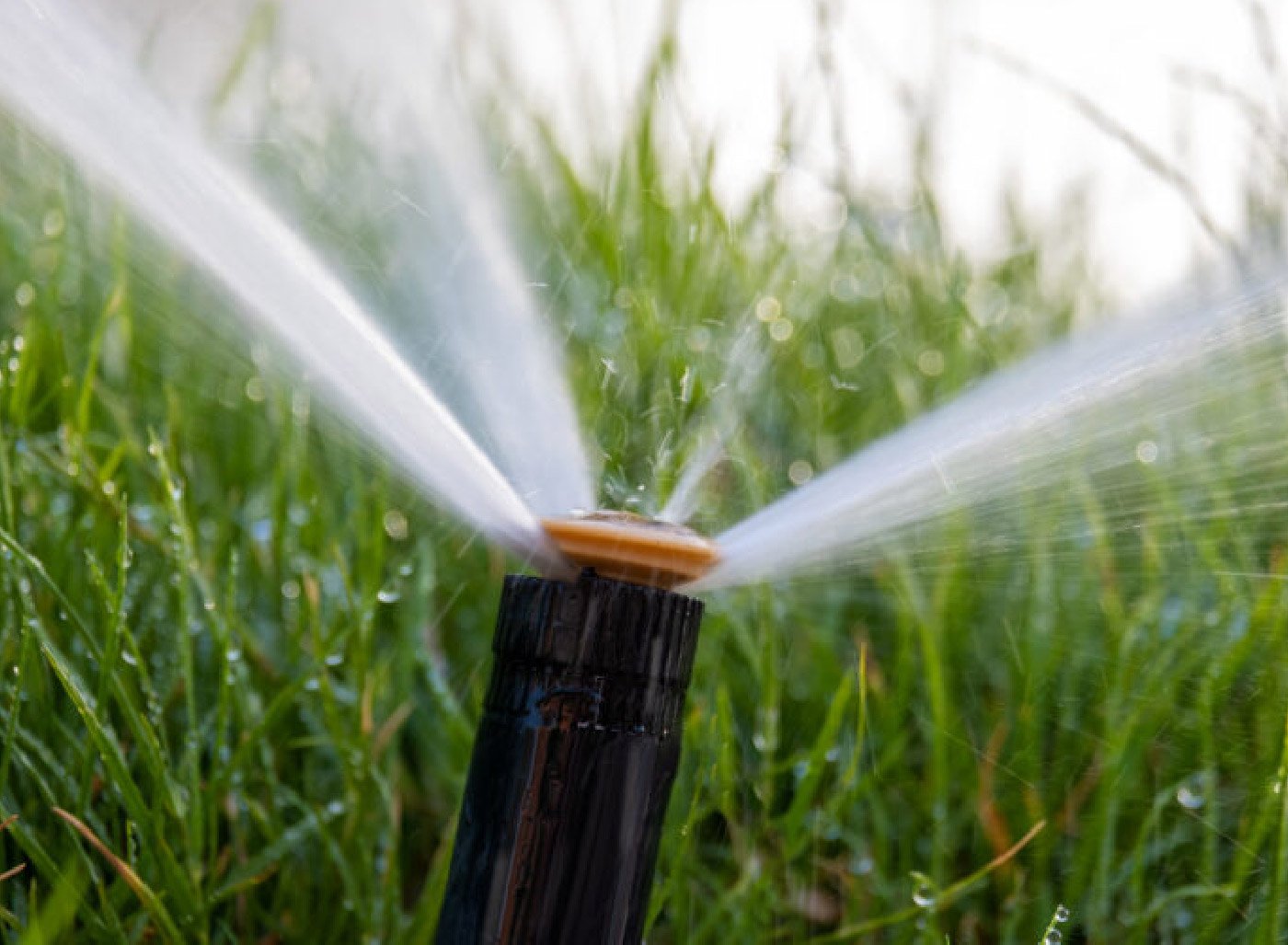
In 2025, technology is reshaping almost every industry. From AI-driven customer service to smart building automation, businesses are investing heavily in efficiency and sustainability. Yet one area often overlooked is landscape irrigation.
For businesses, first impressions matter. A healthy lawn, vibrant greenery, or a well-maintained outdoor space shows professionalism. But many companies still rely on outdated irrigation methods that waste water, raise costs, and create uneven results. This begs the question: are businesses underestimating the true value of tech-driven sprinkler systems?
Challenges With Traditional Watering Methods
Manual Watering Wastes Time and Water
Traditional sprinklers or manual watering often run on fixed schedules, regardless of weather or soil conditions. This leads to overwatering during rainy periods and underwatering in dry spells, both of which damage landscapes and inflate utility bills.
Weather Changes Make Scheduling Difficult
Businesses in regions with unpredictable climates face additional challenges. Sudden heat waves or storms can throw off watering schedules, leaving landscapes either parched or flooded. Without automation, adjustments are manual, inconsistent, and costly.
Uneven Coverage Creates Patchy Lawns
Old sprinkler systems lack precision. Some areas get soaked while others remain dry, leading to patchy, unhealthy grass that diminishes curb appeal. For businesses, this sends the wrong message to clients and customers.
How Technology Improves Sprinkler System Installation
Smart Controllers That Adapt to Weather Data
Modern systems use Wi-Fi-enabled smart controllers that pull real-time weather data. If it rains, the system skips watering. If there’s a heat wave, it adjusts schedules to prevent stress on plants. This level of precision reduces waste and improves landscape health.
Soil Moisture Sensors for Efficient Irrigation
Moisture sensors embedded in the ground track the exact water levels in the soil. Instead of guessing when watering is needed, businesses can rely on hard data. This not only ensures healthy turf but also prevents costly overwatering.
AI-Powered Scheduling for Precision Watering
Artificial intelligence learns patterns of sun exposure, soil type, and plant needs across a property. By analyzing this data, AI-driven sprinklers create schedules that maximize efficiency while cutting water bills significantly.
Advanced Features in Modern Sprinkler Systems
Wi-Fi and Mobile App Control
Today’s systems let managers control irrigation from a smartphone or tablet. Whether on-site or remote, they can monitor performance, adjust schedules, and even receive alerts about leaks or malfunctions.
Integration With Smart Home and Business Devices
Tech-driven sprinklers integrate with platforms like Google Home and Amazon Alexa, making voice control and automation seamless. For businesses that already use smart building technology, this integration is a natural extension.
Eco-Friendly Designs That Cut Water Bills
Systems designed for sustainability not only conserve water but also qualify for local rebates or green certifications. For businesses aiming to showcase corporate responsibility, this is both a cost-saving and branding advantage.
When Businesses Should Consider Upgrading
Expanding Commercial Landscapes
Larger campuses, shopping centers, and office complexes all demand consistent watering. Tech-driven sprinklers handle the scale with zone-specific irrigation that adjusts automatically to each area’s needs.
Addressing High Utility Bills
Water bills can skyrocket with inefficient irrigation. Upgrading to smart systems can reduce water usage by up to 50%, delivering long-term savings.
Preparing for Sustainability Goals
With 2025 sustainability targets in focus, many companies are under pressure to reduce resource consumption. Installing eco-friendly irrigation systems is a clear step toward meeting those goals.
Long-Term Benefits of Tech-Driven Sprinkler Systems
Saving Time With Full Automation
Facility managers no longer need to constantly adjust watering schedules. Automation frees up time, letting teams focus on higher-value tasks.
Protecting the Environment Through Water Conservation
With water scarcity becoming a global issue, businesses that adopt water-efficient technology contribute to conservation efforts while cutting costs.
Boosting Property Value and Brand Image
A lush, green landscape increases property value and enhances a company’s public image. Clients and customers notice the difference, and eco-conscious landscaping shows commitment to sustainability.
Are Businesses Really Underestimating the Value?
Despite clear benefits, many companies still see sprinkler upgrades as a “nice-to-have” instead of a necessity. Yet the reality is that outdated systems cost far more in wasted water, higher bills, and poor curb appeal.
By contrast, tech-driven sprinkler systems pay for themselves over time. The combination of smart controllers, AI-driven scheduling, and eco-friendly designs deliver savings, efficiency, and environmental benefits that traditional systems simply can’t match.
Conclusion
In 2025, businesses cannot afford to ignore the role of technology in landscaping. Outdated irrigation systems waste resources, inflate expenses, and diminish brand value. By investing in tech-driven sprinkler systems, companies gain smarter water use, cost savings, and stronger sustainability credentials.
The question is no longer whether businesses should upgrade, but how long they can afford to wait. Those who embrace smart irrigation now will reap the rewards of efficiency, healthier landscapes, and long-term financial savings.
For More Information, Visit Dotmagazine