
What Makes AI and Smart Thermostats the Future of Central Air Conditioning?

Central air conditioning has been a cornerstone of modern comfort for decades. Yet traditional systems often waste energy, struggle with uneven cooling, and require constant manual adjustments. With rising energy costs and growing environmental concerns, homeowners and businesses are demanding smarter solutions.
That’s where AI-powered central air conditioning and smart thermostats come in. These innovations learn user habits, adjust to weather changes, and optimize performance automatically. Instead of just cooling a space, they deliver personalized comfort, lower utility bills, and sustainable living. But what makes these technologies the future of cooling? Let’s break it down.
Challenges of Traditional Cooling Systems
High Energy Bills From Outdated Units
Older systems often run at full capacity even when cooling isn’t needed. This inefficiency drives up electricity bills and strains the grid during heatwaves.
Inconsistent Temperatures Across the Home
Traditional central air lacks precision. Some rooms feel freezing while others stay warm. Without zoning or adaptive control, comfort is uneven.
Limited Control Over Air Quality and Humidity
Basic units focus only on cooling air, ignoring air quality, humidity, and filtration. For families with allergies or respiratory issues, this is a major limitation.
How Technology Transforms Central Air Conditioning
Smart Thermostats That Learn and Adapt
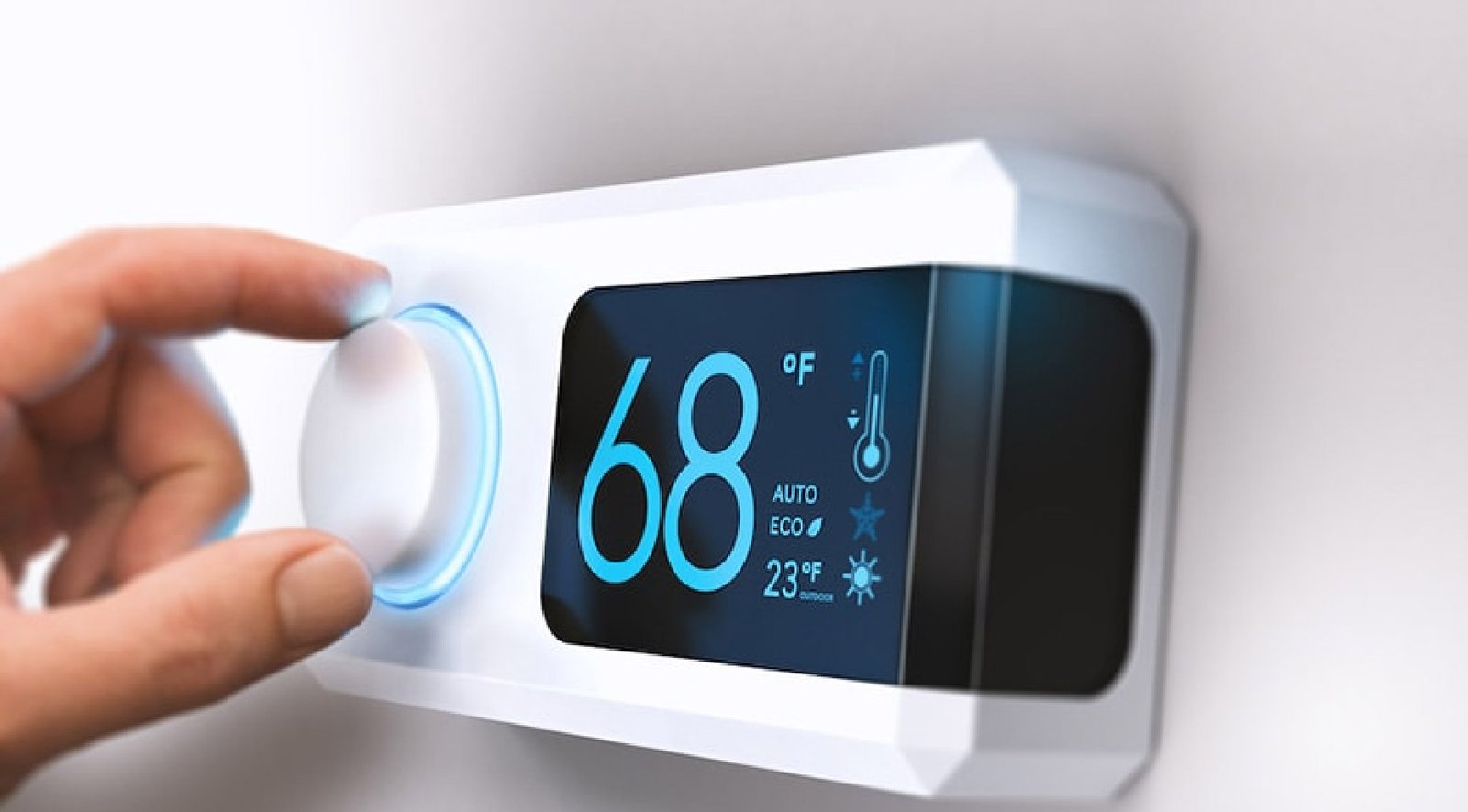
Smart thermostats like Nest, Ecobee, and Honeywell AI models use algorithms to learn your daily routine. They adjust cooling schedules automatically, ensuring comfort when you’re home and energy savings when you’re away.
Zoning Systems for Personalized Comfort
By pairing AI with zoning technology, different rooms can be cooled independently. No more wasting energy on unused spaces—each zone gets exactly what it needs.
Variable-Speed Compressors for Energy Savings
New central air units now include variable-speed compressors. Instead of switching on and off, they adjust their speed based on cooling demand, reducing wear and cutting electricity use significantly.
Advanced Features in Modern HVAC Systems
Integration With Smart Home Devices
Smart thermostats sync with Google Home, Alexa, and Apple HomeKit, allowing users to control temperature with voice commands or apps. This seamless integration makes central air part of the larger smart home ecosystem.
Real-Time Air Quality Monitoring
Some AI-driven systems monitor dust, pollen, and humidity levels. They can adjust fans and filters automatically, creating healthier indoor environments.
Eco-Friendly Cooling With New Refrigerants
Modern central air units adopt eco-friendly refrigerants that comply with new environmental standards. Paired with smart control, this reduces emissions while maintaining high efficiency.
Long-Term Benefits of Tech-Enhanced Central Air
Lower Utility Costs Through Efficiency Tech
By optimizing schedules and adjusting to real-time conditions, AI-powered systems cut energy use by as much as 20–30%, leading to noticeable savings on monthly bills.
Fewer Breakdowns With Predictive Maintenance
Sensors in smart thermostats can detect unusual patterns, alerting homeowners before a major breakdown occurs. Predictive maintenance helps avoid costly repairs and extends system lifespan.
Higher Property Value With Smart Upgrades
Homes equipped with smart central air systems often sell faster and at higher prices. Buyers see smart thermostats as both a luxury and a practical upgrade.
Why AI and Smart Thermostats Are the Future
Lifestyle Alignment With Automation
In 2025, convenience is king. AI-powered thermostats align with busy lifestyles by removing the guesswork from cooling. They adapt in real time so homeowners don’t have to.
Combining Comfort With Sustainability
Unlike traditional systems, smart air conditioning balances comfort with responsibility. By reducing energy waste, these systems support sustainable living goals without sacrificing performance.
Meeting Demands of Modern Homes and Businesses
Whether it’s a large office or a single-family home, today’s buildings demand more than basic cooling. AI and smart thermostats provide scalable solutions that work across different settings.
Conclusion
Central air conditioning is no longer just about blowing cool air. With AI and smart thermostats, systems now learn, adapt, and optimize, creating homes and businesses that are cooler, smarter, and greener.
From energy savings to better air quality, the advantages are clear. These technologies solve the problems of outdated cooling while setting new standards for efficiency and comfort. For anyone asking what the future of central air looks like, the answer is simple: AI-powered systems with smart thermostats are leading the way.
For More Information Visit Dotmagazine