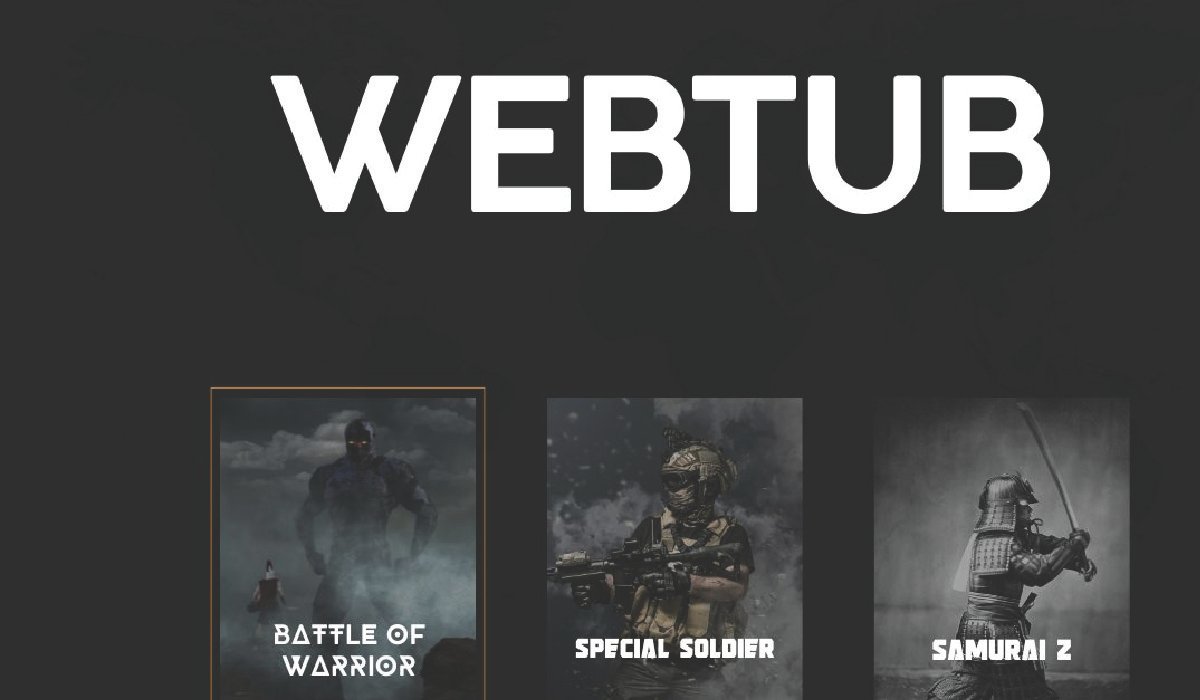
Introduction
In today’s digital age, video has become the most powerful form of communication, entertainment, and marketing. People are no longer satisfied with just reading or scrolling through static posts—they want interactive, visual content that tells a story in real time. This growing demand has created space for new platforms to challenge the dominance of traditional giants. Among them, webtub has emerged as a promising contender, aiming to provide creators and viewers with a refreshing experience. But what exactly is webtub? In simple words, it is a next-generation video sharing and streaming platform built to address the limitations that creators and audiences face on existing sites. It combines the familiarity of established platforms with innovative tools that make creating, sharing, and monetizing content easier. This article explores every aspect of webtub, from its features and benefits to its comparison with other platforms, so you can understand why it may be the next big thing in online video.
Background and Context
The evolution of video sharing has been remarkable, starting with early sites like YouTube that made uploading and streaming accessible to anyone with a camera and an internet connection. Over the years, platforms such as Vimeo, TikTok, Instagram Reels, and Dailymotion have each offered something unique, whether it is long-form creative videos, bite-sized clips designed for virality, or highly polished professional content. Yet, despite their success, many creators complain about discoverability issues, algorithm bias, uneven monetization opportunities, and a lack of direct connection with their communities. New creators especially find it overwhelming to compete in spaces where established influencers dominate visibility. This is where webtub comes in—it positions itself as a platform that not only allows sharing but actively nurtures both creators and viewers through fair algorithms, diversified monetization models, and strong community engagement features. By addressing these pain points, webtub seeks to redefine the digital video landscape.
Webtub Core Features and Capabilities
User and Creator Dashboard / Interface
One of the most striking aspects of webtub is its user and creator dashboard, which is designed to be intuitive without sacrificing power. Unlike other platforms that often overwhelm users with complicated menus and hidden settings, webtub provides a clean, simple interface where creators can customize their channels, upload content seamlessly, and manage their audience all in one place. Uploading workflows support multiple formats, varying lengths, and even smooth transitions, making it easy for both professionals and hobbyists to share their stories. Customizable channel layouts, banners, and intro videos help creators showcase their brand identity, while viewers benefit from effortless navigation that leads them quickly to the content they care about.
Content Types and Formats Supported
Flexibility in content is another key differentiator of webtub. It supports short videos, long-form documentaries, and even live streams, giving creators the freedom to experiment with storytelling styles. Multi-format support for 4K resolution, full HD, and mobile-friendly sizes ensures that both casual viewers and those with professional standards are satisfied. Moreover, interactive content formats such as polls, branching stories, and chapter markers make the viewing experience more engaging and participatory. This is especially important in an age where audiences crave interaction rather than passive consumption.
Discovery and Recommendation Engine
Finding content on large platforms can often feel like searching for a needle in a haystack. Webtub changes this by employing a smarter recommendation engine that prioritizes relevance over sheer popularity. Its algorithms consider metadata, tags, viewing behavior, and engagement metrics to deliver personalized feeds. Viewers can discover trending, featured, or curated sections with ease, while advanced search filters allow exploration by genre, duration, or niche interest. This focus on fair and transparent discovery mechanisms helps smaller creators get noticed without being buried under algorithmic favoritism.
Engagement and Community Tools
A thriving community is the heart of any platform, and webtub puts heavy emphasis on interactive features. Comment sections are vibrant but moderated with tools like pinned comments, filters, and automated detection of harmful content. Direct messaging lets creators build personal connections with fans, while community tabs support polls, Q&A sessions, and group discussions. Notifications are structured to keep subscribers informed without overwhelming them, ensuring consistent engagement. These features transform webtub from just another video hosting site into a social ecosystem where creators and fans truly collaborate.
Monetization and Revenue Models
Earning opportunities are central to why creators choose one platform over another, and webtub offers a flexible and diversified monetization system. Traditional ad revenue is available, but creators can also benefit from subscription memberships, tip-jar style donations, and premium content unlocks. Merchandise integration allows seamless sales directly from the platform, while brand and sponsor collaborations give professional creators lucrative opportunities. By offering multiple streams of income, webtub reduces reliance on a single revenue model, empowering creators to build sustainable careers.
Analytics and Reporting
Data is power, and webtub provides creators with advanced analytics dashboards. Metrics such as watch time, retention, audience demographics, and source of views are clearly displayed, helping creators understand what resonates with their audience. Predictive insights and A/B testing options further assist in refining content strategy. This level of transparency equips creators to grow strategically rather than relying on guesswork.
Mobile and Cross-Platform Experience
In today’s mobile-first world, accessibility is crucial. Webtub is available as both an Android and iOS app, along with a responsive web interface. Features like offline downloads, cross-device synchronization, and fast buffering ensure uninterrupted entertainment whether you are on the go or at home. Unlike some competitors that restrict offline access, webtub embraces it, allowing viewers to stay connected even without constant internet availability.
Security, Moderation, and Content Policies
Trust and safety are non-negotiable in online spaces. Webtub enforces clear community guidelines, with robust copyright handling, DMCA compliance, and advanced moderation tools. Automated filters reduce spam, while user flagging and review systems provide accountability. Strong privacy controls and data protection policies give users confidence that their content and information remain secure.
Integrations and API / Extensions
Finally, webtub embraces integration by allowing embedding of videos on websites, seamless sharing to social media, and API access for third-party developers. Plugins and widgets enable businesses and creators to extend their reach while maintaining control over their branding. This open approach fosters growth and ecosystem expansion.
How Webtub Works: The User and Creator Journey
For viewers, using webtub begins with a simple sign-up process that leads to a personalized profile. From there, discovering content is effortless, whether through recommendations, subscriptions, or curated categories. Playlists, “watch later” features, and favorites keep content organized, ensuring a smooth experience. For creators, the journey starts with profile setup and branding. Planning content is simplified by scheduling and draft features, while uploading is optimized for speed and reliability. Once content is published, creators can promote it across social channels, activate monetization settings, and monitor results through analytics. The seamless loop from creation to feedback ensures continuous improvement and growth.
Competitive Comparison
Compared with giants like YouTube, TikTok, Instagram Reels, and Vimeo, webtub stands out in several areas. YouTube has a massive audience but also intense competition, making it difficult for new creators to gain traction. TikTok thrives on short viral clips but limits depth and long-form storytelling. Instagram favors influencers, often sidelining smaller creators. Vimeo, while professional, lacks the large-scale community appeal. In contrast, webtub offers a balance: strong community tools, diversified monetization, fairer discovery, and support for both short and long-form formats. This makes it uniquely positioned as a creator-friendly alternative in a crowded market.
Use Cases and Case Studies
The flexibility of webtub shines when looking at real or hypothetical creator journeys. Imagine a travel vlogger named Sara who uploads her first video documenting local hidden gems. Thanks to webtub’s fair recommendation system, she gains her first 1,000 viewers without needing paid promotion. A cooking enthusiast might host live recipe demonstrations, benefiting from interactive comments and donation features. A musician could share original songs, monetize through subscriptions, and sell merchandise all within the platform. These examples demonstrate how webtub empowers creators across niches to build communities and earn revenue.
Best Practices and Tips for Success
Creators who want to succeed on webtub should focus on strategy and consistency. Optimizing titles, tags, and descriptions for SEO ensures discoverability, while attractive thumbnails increase click-through rates. Consistent posting schedules build audience trust, and direct engagement through comments and polls strengthens loyalty. Cross-platform promotion expands reach, while collaborations introduce creators to new audiences. Analyzing metrics helps refine strategies, while experimenting with formats keeps content fresh. Most importantly, maintaining a balance between free and premium content ensures sustainable monetization without alienating viewers.
Challenges, Risks, and Limitations
No platform is without its challenges, and webtub is no exception. Competition and saturation remain real risks as more creators flock to digital spaces. Algorithm dependency may still influence discoverability, even with improvements. Monetization limitations, such as payout thresholds or restricted geographies, can also affect earnings. Content moderation and copyright enforcement require constant vigilance. Technical constraints like bandwidth costs and server scaling present operational challenges, while market risks such as policy changes or platform shutdowns are always possibilities. However, being transparent about these limitations helps set realistic expectations for both creators and users.
Future Trends and Roadmap Projections
Looking ahead, webtub is expected to embrace emerging trends that could reshape the industry. Artificial intelligence will play a bigger role in recommendations and even in automated video editing tools. Immersive formats like VR, AR, and 360-degree video will expand creative possibilities. Live streaming and real-time co-creation features will foster deeper engagement. Hybrid storytelling models with interactive elements will grow in demand. Monetization may diversify further into micro-payments, blockchain-based rights management, or NFT-enabled content ownership. Regional and localized content will expand the platform’s global reach, while integration with e-commerce could turn videos into shoppable experiences.
Conclusion
In summary, webtub represents more than just another video sharing platform—it is a vision for the future of digital storytelling, creator empowerment, and community engagement. Its features address long-standing pain points of discoverability, monetization, and interaction while offering a user-friendly interface that both creators and viewers can appreciate. By learning from the strengths and weaknesses of existing platforms, webtub positions itself as a strong alternative for anyone seeking a fairer, more versatile space to share their creativity. As video continues to dominate online content, platforms like webtub are poised to play a major role in shaping how we watch, create, and connect in the years to come.
FAQs About Webtub
1. What is webtub?
Webtub is an online video sharing and streaming platform that allows people to upload, watch, and share videos. It combines easy-to-use tools for creators with a large content library for viewers, making it simple to discover, enjoy, and interact with videos of all kinds.
2. Is webtub free to use?
Yes, webtub is free to use for anyone who wants to watch or upload videos. There is also an optional premium subscription that removes ads and unlocks extra features such as higher-quality streaming and offline downloads.
3. How can creators earn money on webtub?
Creators on webtub can earn money through ad revenue, paid subscriptions from fans, tips and donations, selling merchandise linked to their channel, and working with sponsors or brands. These options make it easier for creators to build a steady income.
4. Does webtub support live streaming?
Yes. Webtub supports live streaming, which lets creators broadcast events, tutorials, or performances in real time. Viewers can interact instantly with comments, likes, and tips during the live session.
5. Can I watch webtub videos offline?
Yes. Webtub allows users to download select videos for offline viewing. This feature is ideal for people with limited internet access or those who want to watch videos while traveling without using mobile data.
You May Also Read: Ombudsmänner: Powerful Guide to Fairness and Trust
For More Information, Visit Dotmagazine