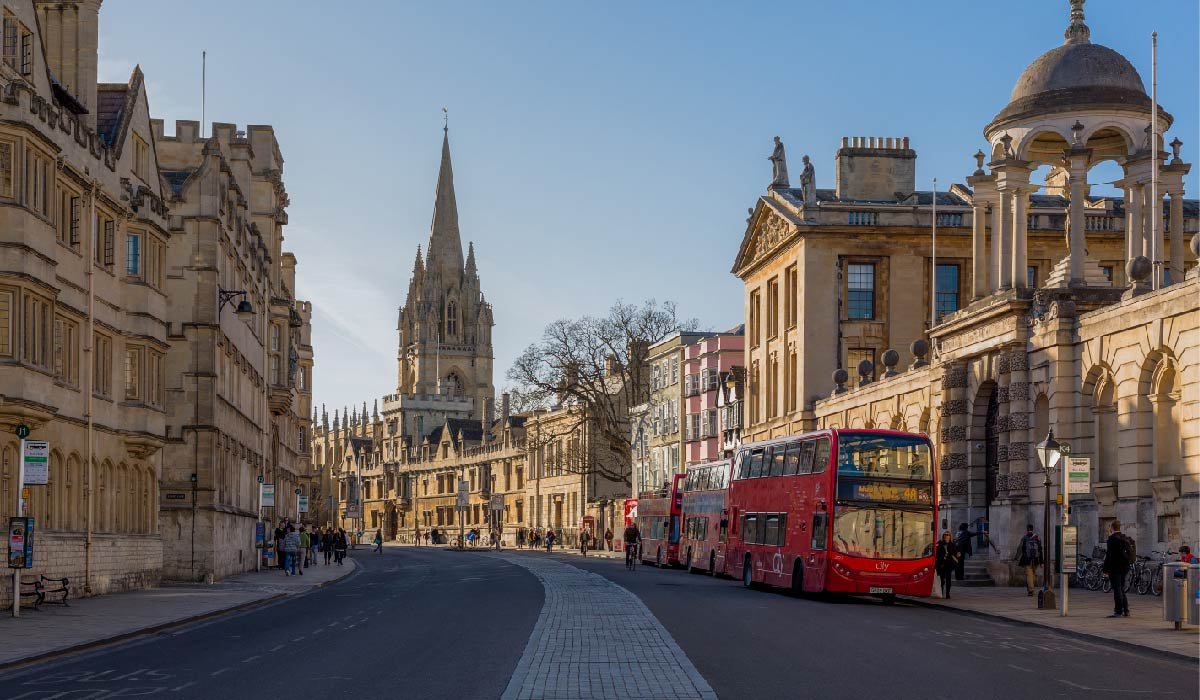
Are you about to go to Oxford to study? Starting a new study life in Oxford will leave a deep impression on you. First of all, the cost of living is the first thing you need to consider before coming to Oxford. Data shows that the overall cost of living in Oxford is higher than the national average in the UK, but it is cheaper compared to London. The cost of living is often composed of many factors, such as the rentals of Oxford student flats, dining, entertainment, insurance and other factors. The following is the approximate cost of living in Oxford that we have provided for you. We hope it will be of great help to your future life in Oxford
Cost of Student Flats in Oxford
As a student in Oxford, one of the first things you need to consider is where you will live. Private Oxford student flats are a popular choice for many students, offering the flexibility and independence that come with living off-campus. These flats can range from shared accommodations to self-contained apartments, with prices varying based on location and amenities. According to data of uhomes.com, the average rent for Oxford student flats is £200- £300 per week. This price includes utilities which can be a significant part of your monthly expenses. uhomes.com can offer you exclusive discounts and cashback, which can relieve more stress in your life.
Not only that, there are also many student apartments near the university for students to choose from. Take Oxford Brookes University as an example. The cost of Oxford Brookes accommodation ranges from £80 to £400 per week. These include studios, en-suites, non en-suites, shared rooms, and 1B-2B flats. The rooms are fully furnished and equipped with high-speed internet, communal kitchens, and laundry services. Off-campus housing in areas such as Headington and Cowley can cost between £110 and £220 per week. These accommodations often include shared student houses, private apartments, and purpose-built student accommodations.

Cost of Food in Oxford
In addition to accommodation, food is another significant expense for students. It estimates that students can expect to spend between £330 and £515 per month on food. This includes eating in college dining halls and occasional dining out. Cooking at home is generally the most cost-effective option, with groceries costing around £150 to £250 per month. Dining out at affordable cafes and restaurants can cost around £10 to £20 per meal. A meal at an affordable cafe or restaurant in Oxford typically costs around £10 to £20. This can vary depending on the type of cuisine and the location of the establishment. For example, a quick meal at a local sandwich shop might cost around £5 to £10, while a sit-down dinner at a mid-range restaurant could range from £15 to £30. Students often take advantage of student discounts and special offers to keep their dining out expenses in check.
Cost of Transportation in Oxford
Transportation is another essential aspect of living in Oxford. The city is relatively small and walkable, making it easy for students to navigate without needing a car. However, for those who need to travel further, such as commuting to off-campus locations or exploring the surrounding areas, public transport is readily available. A monthly bus pass in Oxford costs between £40 and £60, providing unlimited access to the city’s extensive bus network. This is particularly useful for students who need to travel to lectures or part-time jobs outside the city centre. Additionally, cycling can be faster than other modes of transport during peak times, as it allows students to bypass traffic congestion. For those who do not own a bike, bike-sharing services are available in the city, offering a flexible and affordable alternative. Overall, Oxford offers a variety of transportation options that cater to different needs and preferences, helping students manage their daily commutes efficiently and sustainably.
Cost of Personal Items, Social Activities, and Study Materials
The students in Oxford also incur other living expenses, which include personal items, social activities, and study costs. On average, students spend between £200 and £335 per month on individual items, including clothing, toiletries, and electronics. Social activities, including entertainment and leisure, typically cost between £ between£45 and £100 per month. Study costs, which cover textbooks, printing, and other academic materials, range from £40 to £90 per month. These expenses can vary significantly depending on individual preferences and lifestyle choices. For instance, students who enjoy a more active social life or frequently participate in extracurricular activities may spend more on entertainment and leisure pursuits.
Conclusion
For international students, the cost of living in Oxford can be higher due to additional expenses such as travel home and health insurance. However, the overall living expenses for international students are similar to those of domestic students, with an average monthly budget of around £1,000 to £1,500. This includes accommodation, food, transport, and personal expenses. By managing expenses related to food, transportation, and other personal costs, students can enjoy a fulfilling and affordable experience in this historic city.