
Pet owners face a constant challenge: maintaining a beautiful yard while keeping their furry friends happy and healthy. Traditional grass can quickly become a muddy, patchy mess under the paws of active dogs. This is where artificial grass for dogs offers an innovative solution that benefits both pets and their owners.
Artificial grass designed specifically for dogs provides a durable, low-maintenance alternative to natural lawns. Unlike regular synthetic turf, pet-friendly artificial grass features enhanced drainage systems, antimicrobial properties, and materials that can withstand heavy use from playful pups. Whether you’re dealing with yellow spots from dog urine, constant digging, or simply want a consistently green yard year-round, artificial grass for dogs might be the perfect solution for your outdoor space.
This comprehensive guide will walk you through everything you need to know about artificial grass for dogs, from understanding the different types available to installation tips and long-term maintenance strategies.
Why Choose Artificial Grass for Dogs?
Durability That Withstands Pet Activity
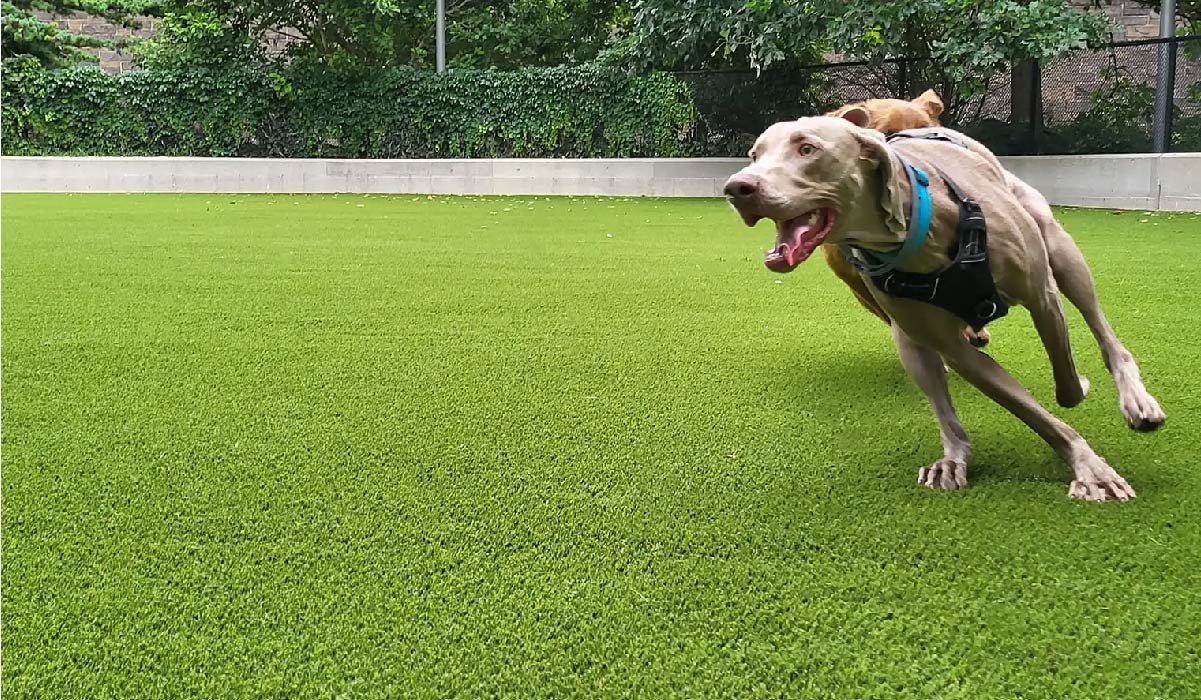
Dogs love to run, dig, and play in yards, activities that can quickly destroy natural grass. Artificial grass for dogs is specifically engineered to handle high-traffic areas and resist wear from claws, constant running, and playful roughhousing. The synthetic fibers are designed to bounce back after compression, maintaining their appearance even in the most active pet households.
Superior Drainage Systems
One of the most significant advantages of artificial grass for dogs is its advanced drainage capabilities. Quality pet turf features perforated backing and specialized infill materials that allow liquids to drain quickly through the surface. This prevents the formation of puddles and reduces odors that can develop when urine sits on traditional grass or inadequate synthetic alternatives.
Elimination of Mud and Dirt Tracking
Pet owners know the frustration of muddy paw prints throughout the house, especially during rainy seasons. Artificial grass for dogs eliminates this problem entirely. The synthetic surface doesn’t create mud, meaning your dog’s paws stay cleaner when they come inside. This translates to less cleaning time and a more hygienic indoor environment.
Year-Round Green Appearance
Natural grass can look patchy and brown, particularly in areas where dogs frequently relieve themselves or play. Artificial grass for dogs maintains its vibrant green color regardless of weather conditions, pet activity, or seasonal changes. This consistent appearance enhances your property’s curb appeal while providing a beautiful backdrop for your pet’s outdoor activities.
Types of Artificial Grass Suitable for Dogs
High-Drainage Pet Turf
The most important feature to look for in artificial grass for dogs is exceptional drainage capability. High-drainage pet turf typically features larger perforation holes in the backing material, allowing liquids to pass through quickly. This type of turf often includes antimicrobial treatments that help prevent bacterial growth and odor formation.
Short-Pile Grass Options
Shorter grass blades are generally easier to clean and maintain when you have pets. Short-pile artificial grass for dogs typically ranges from 1 to 1.5 inches in height, making it simple to remove pet waste and rinse the surface when necessary. The shorter fibers also dry more quickly after cleaning or rain.
Antimicrobial-Treated Surfaces
Many manufacturers now offer artificial grass for dogs with built-in antimicrobial properties. These treatments help prevent the growth of bacteria and fungi that can cause unpleasant odors. While these treatments add to the initial cost, they provide long-term benefits in terms of hygiene and maintenance.
Heavy-Duty Backing Materials
The backing material of artificial grass for dogs should be more robust than standard decorative turf. Look for products with polyurethane backing or other durable materials that can withstand frequent cleaning and won’t deteriorate when exposed to pet waste over time.
Installation Considerations for Pet Areas
Proper Base Preparation
Installing artificial grass for dogs requires careful attention to the base layer. A well-constructed base typically includes crushed stone or gravel followed by a layer of decomposed granite or sand. This foundation must be properly compacted and graded to ensure optimal drainage, which is crucial for pet applications.
Enhanced Drainage Solutions
Beyond standard base preparation, consider installing additional drainage features for artificial grass for dogs. French drains or other subsurface drainage systems can be particularly beneficial in areas with heavy pet use or regions that receive significant rainfall.
Seaming and Edge Details
Pay special attention to seams and edges when installing artificial grass for dogs. These areas can collect debris and become problematic if not properly secured. Use high-quality seaming tape and adhesives designed for pet applications to ensure long-lasting installation.
Infill Selection
The type of infill used with artificial grass for dogs can significantly impact performance and hygiene. Avoid rubber crumb infill in pet areas, as it can trap odors. Instead, consider antimicrobial sand infills or specialized pet-safe options designed specifically for artificial grass for dogs.
Maintenance and Cleaning
Daily Maintenance Routines
Maintaining artificial grass for dogs is straightforward but requires consistency. Remove solid waste immediately and rinse the area with water. For liquid waste, the advanced drainage system will handle most of the work, but occasional rinsing helps maintain optimal hygiene.
Weekly Deep Cleaning
Perform a more thorough cleaning of your artificial grass for dogs weekly. This involves hosing down the entire area, paying special attention to zones where your pets spend the most time. Use a stiff brush to lift the grass fibers and ensure proper drainage through the backing material.
Monthly Disinfection
Once per month, apply a pet-safe disinfectant specifically designed for artificial grass for dogs. These products help eliminate any bacteria or odors that regular water rinsing might miss. Always choose products that are safe for pets and won’t damage the synthetic fibers.
Seasonal Maintenance Tasks
Different seasons may require specific maintenance approaches for artificial grass for dogs. Remove fallen leaves and debris that can block drainage. During hot summer months, occasionally rinse the surface to keep it cool for your pet’s comfort.
Health and Safety Benefits
Reduced Exposure to Chemicals
Natural grass often requires fertilizers, pesticides, and herbicides that can be harmful to pets. Artificial grass for dogs eliminates the need for these chemicals, creating a safer environment for your furry friends to play and explore.
Parasite Prevention
Fleas, ticks, and other parasites that thrive in natural grass are not an issue with artificial grass for dogs. This synthetic alternative doesn’t provide the organic environment these pests need to survive and reproduce, reducing your pet’s exposure to parasite-borne diseases.
Allergen Reduction
Many dogs suffer from grass allergies that can cause skin irritation and respiratory issues. Artificial grass for dogs doesn’t produce pollen or harbor the allergens commonly found in natural grass, making it an excellent choice for pets with sensitivities.
Injury Prevention
Artificial grass for dogs provides a consistent, even surface that reduces the risk of injuries from holes, uneven terrain, or hidden obstacles that might be present in natural grass areas.
Cost Considerations and Return on Investment
Initial Installation Costs
The upfront investment for artificial grass for dogs is higher than seeding or sodding natural grass. However, this initial expense should be viewed as a long-term investment that eliminates many ongoing costs associated with natural lawn maintenance.
Long-Term Savings
Over time, artificial grass for dogs can provide significant savings. You’ll eliminate expenses for water, fertilizers, pesticides, lawn mowing, and regular reseeding or resodding of damaged areas. Many pet owners find that their artificial grass pays for itself within a few years.
Property Value Impact
Quality artificial grass for dogs can enhance your property’s value, particularly in regions where water conservation is important or where maintaining natural grass is challenging. The consistent appearance and low maintenance requirements appeal to many potential buyers.
Environmental Impact
Water Conservation
Artificial grass for dogs requires no irrigation, making it an environmentally responsible choice in drought-prone areas. This water savings can be substantial over the life of the installation, particularly in regions where water restrictions are common.
Elimination of Chemical Runoff
By choosing artificial grass for dogs, you eliminate the need for fertilizers and pesticides that can contaminate groundwater and harm local ecosystems. This makes synthetic turf an environmentally friendly option for responsible pet owners.
Longevity and Waste Reduction
High-quality artificial grass for dogs can last 15-20 years with proper maintenance, reducing the environmental impact associated with constantly replanting and maintaining natural grass areas.
Making the Right Choice for Your Pet
Artificial grass for dogs represents a practical solution for pet owners who want to maintain beautiful outdoor spaces while providing safe, comfortable areas for their furry companions. The initial investment in quality pet-specific artificial turf pays dividends through reduced maintenance, improved hygiene, and enhanced durability.
When selecting artificial grass for dogs, prioritize drainage capabilities, antimicrobial treatments, and durability features specifically designed for pet use. Proper installation and regular maintenance will ensure your synthetic lawn provides years of enjoyment for both you and your pets while maintaining its appearance and functionality.
Consider consulting with professionals who specialize in artificial grass for dogs to ensure you choose the right product and installation approach for your specific needs and local climate conditions.