
Trees are more than just an aesthetic feature in our landscapes—they are vital to the environment, providing shade, fresh air, and even support for local wildlife. If you’re a homeowner or property manager with trees on your property, it’s important to understand how to properly care for them to ensure their long-term health.
Proper tree maintenance not only extends the lifespan of your trees but also prevents costly issues down the line. Whether you’re a beginner or just need a refresher, this guide will walk you through the essential steps to keep your trees thriving year-round.
1. Watering: The Foundation of Tree Health
Watering your tree correctly is essential, as it helps it to absorb nutrients and maintain healthy growth. Here are some tips for watering trees:
- Deep Watering is Key: Instead of frequent shallow watering, water your tree deeply once a week. This encourages deeper root growth, helping your tree withstand drought conditions better.
- Mulch Matters: Apply a layer of mulch around the base of the tree to retain moisture and prevent weeds. Avoid piling mulch directly against the tree trunk, as this can lead to rot.
- Seasonal Adjustments: During hot summer months, your tree may need more water. In contrast, during winter, reduce the frequency to prevent waterlogged roots, especially for trees that are dormant.
2. Pruning: Maintain Structure and Health
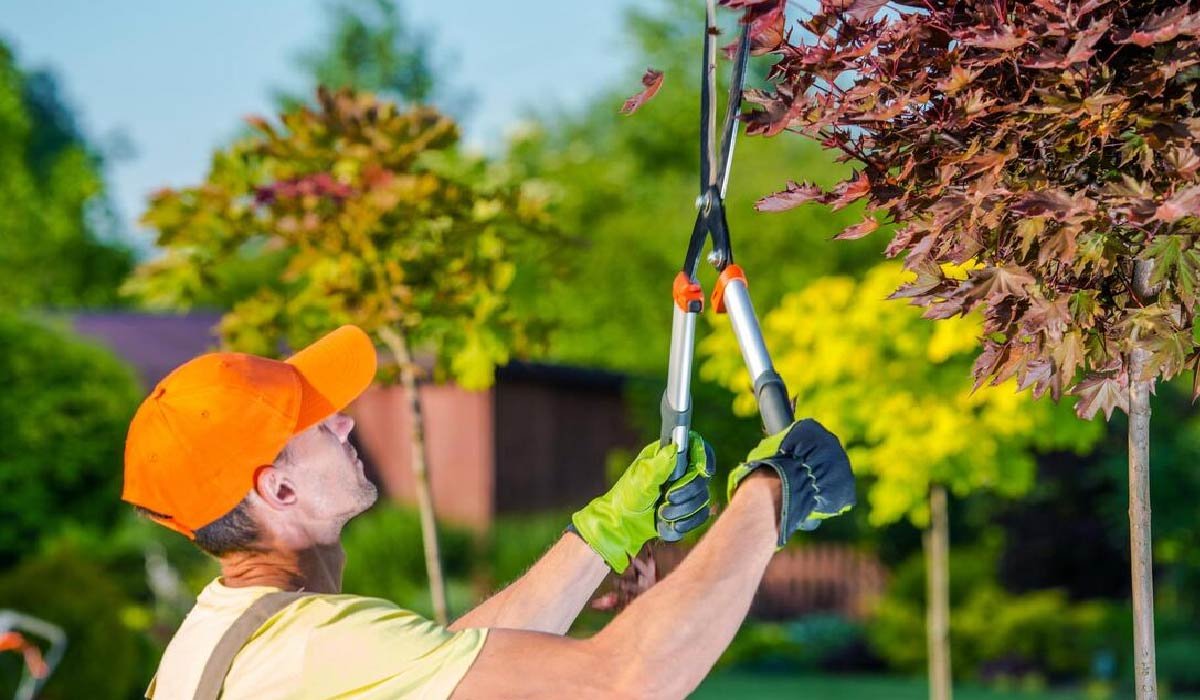
Pruning is vital for promoting strong growth, removing deadwood, and ensuring the safety of your landscape. However, it’s important to prune at the right time to prevent stress on the tree.
- Prune During Dormancy: The best time to prune most deciduous trees is in late fall or early winter when the tree is dormant. This reduces stress and allows for faster healing in the spring.
- Remove Dead, Diseased, or Damaged Branches: Always remove branches that are dead, diseased, or damaged, as these can spread infections and pests. For oaks, be sure to prune during the dormant season to avoid spreading Oak Wilt disease.
- Avoid Over-pruning: Don’t remove more than 25% of the tree’s canopy at once, as excessive pruning can weaken the tree.
3. Fertilizing: Feed Your Trees Properly
Proper nutrition is essential for tree health. Fertilization is often necessary when a tree shows signs of nutrient deficiency or in nutrient-poor soils.
- Choose the Right Fertilizer: Select a slow-release fertilizer that’s specifically formulated for trees. This ensures the tree receives a steady supply of nutrients over time.
- When to Fertilize: Early spring is the ideal time to fertilize, just before your tree starts actively growing. Avoid fertilizing in the late fall, as it can encourage new growth that may not survive the winter.
4. Tree Health Inspections: Spot Problems Early
Regularly inspecting your trees for potential problems helps you catch issues before they become serious.
- Look for Pests and Diseases: Check for signs of pests like aphids, caterpillars, or beetles. Also, watch for disease symptoms such as discolored leaves, unusual growths, or oozing sap.
- Inspect the Trunk and Roots: Examine the trunk for signs of damage or disease, and make sure the roots are not exposed or compromised. Visible roots or bark damage can indicate a problem with the tree’s stability.
5. Mulching: A Simple Yet Effective Care Practice
Mulch is an incredibly effective way to help your tree maintain optimal health by retaining moisture, suppressing weeds, and regulating soil temperature.
- How to Apply Mulch: Apply a 2-4 inch layer of mulch around the tree’s base, but avoid piling it against the trunk. Organic mulches like wood chips or bark are the best options for retaining moisture and adding nutrients back into the soil.
- Keep it Clean: Be sure to keep the mulch area free from debris or fungi, as these can attract pests and diseases.
6. Caring for Young Trees: Setting Them Up for Success
Young trees are particularly vulnerable to the elements and need extra care to establish a strong foundation for future growth. Here’s how to give them the best start:
- Staking and Support: When planting a young tree, consider staking it for support against wind. However, make sure the tree isn’t staked too tightly, as it needs to sway to develop strength.
- Regular Watering: Young trees have shallow roots, so they require more frequent watering during the first few years. Make sure they stay hydrated, especially in hot months.
7. Seasonal Care: Tailoring Your Care to the Season
Each season offers different challenges and opportunities for tree care. Here’s what to focus on throughout the year:
- Spring: Fertilize, prune dead or damaged branches, and inspect for pests.
- Summer: Water deeply and regularly, check for signs of heat stress, and prune deadwood or branches causing clearance issues.
- Fall: Prepare trees for winter by reducing watering, mulching to retain moisture, and pruning to remove weak branches.
- Winter: This is the best time to prune most deciduous trees. Additionally, inspect for any damage from winter storms and protect younger trees from extreme cold by mulching around the base.
8. Hire a Professional Tree Care Service
While there are many tree maintenance tasks that homeowners can handle, some require the expertise of a certified arborist. Price Right Professional Landscaping & Tree Service offers professional tree care services that ensure your trees are in expert hands. From regular maintenance to emergency pruning and disease control, their skilled team can help ensure your trees stay healthy throughout the year.
- Why Hire an Arborist? Certified arborists have in-depth knowledge of tree biology, disease management, and pruning techniques. They can provide tailored advice based on your tree’s species and the specific needs of your landscape.
For expert care,Price Right Professional Landscaping & Tree Service can assist with tree pruning, pest management, and other essential services to keep your trees thriving.
Frequently Asked Questions
Q: How often should I prune my trees?
A: Most trees only need pruning once a year or every few years, depending on the species and their health. For major pruning, it’s best to consult with an arborist to avoid over-pruning or causing damage.
Q: Can I prune my trees myself?
A: While minor pruning (removing dead or damaged branches) can be done by homeowners, it’s often best to leave larger jobs to professionals. Improper cuts can harm your tree or lead to infections.
Q: How can I tell if my tree is unhealthy?
A: Signs of an unhealthy tree include yellowing or wilting leaves, excessive leaf drop, unusual growth patterns, or visible pests or fungi. If you’re concerned, a certified arborist can assess the health of your tree.
Q: How can I prevent pests from damaging my trees?
A: Regular inspections, proper tree maintenance, and prompt treatment of pests and diseases are key. Using eco-friendly pesticides and ensuring the tree is healthy and strong also helps prevent infestations.
About Price Right Professional Landscaping & Tree Service
At Price Right Professional Landscaping & Tree Service, we understand that proper tree pruning is a blend of art and science. Our ISA Certified Arborists serve the Fort Worth community with an expert understanding of tree biology and the specific seasonal needs of Texas landscapes. We make the right cuts at the right time to enhance the health, safety, and beauty of your trees, ensuring your investment grows stronger year after year. For a professional pruning consultation that puts your tree’s long-term health first, contact our expert team today.
Business Name: Price Right Professional Landscaping & Tree Service
Address: 2227 White Lane Haslet, Fort Worth, TX 76052
Phone number: (817) 675-8565