
Introduction
In today’s digital world, almost everything requires a login—email, banking, shopping, education, healthcare, and work systems. But with more accounts comes more passwords, and that leads to an overwhelming experience for users. People either forget their credentials, write them down insecurely, or reuse weak passwords across multiple platforms. This “password fatigue” is not just frustrating—it opens dangerous doors for hackers, data breaches, and identity theft. Cybercriminals are increasingly exploiting phishing scams and database leaks to gain access to sensitive information. The global shift toward remote work, digital commerce, and online collaboration has made security even more critical. That’s where Mypasokey steps in. As a transformative platform built to streamline identity verification, it merges simplicity and strength. With its intuitive user interface and powerful cryptographic backbone, Mypasokey makes logging in both easier and safer. This article will explore exactly how it works, what makes it different from traditional methods, and why it’s rapidly gaining traction across multiple industries.
The Problem with Traditional Passwords
Traditional passwords, once seen as the digital gatekeepers of our online world, have now become one of the weakest links in cybersecurity. Most people create short, simple, and often repeated passwords like “123456” or “password123” out of convenience. These predictable patterns make it easy for attackers to perform brute-force or dictionary attacks. Furthermore, phishing scams have become more advanced, luring users into fake websites to capture login credentials. Even when people use complex passwords, they often forget them—leading to frequent resets, locked accounts, and a frustrating user experience. Businesses suffer too. IT departments are overwhelmed with password reset requests, wasting valuable time and resources. Companies must also invest heavily in anti-phishing tools, monitoring systems, and security training. On top of that, a single data breach involving stolen credentials can cause millions in damages and reputation loss. Simply put, relying on passwords in 2025 is like locking your door with a paper clip. The risks are too high, and the experience is too outdated. That’s why the shift toward passwordless authentication—like Mypasokey—is not just innovative, but essential.
What Is Mypasokey? A Simple Definition
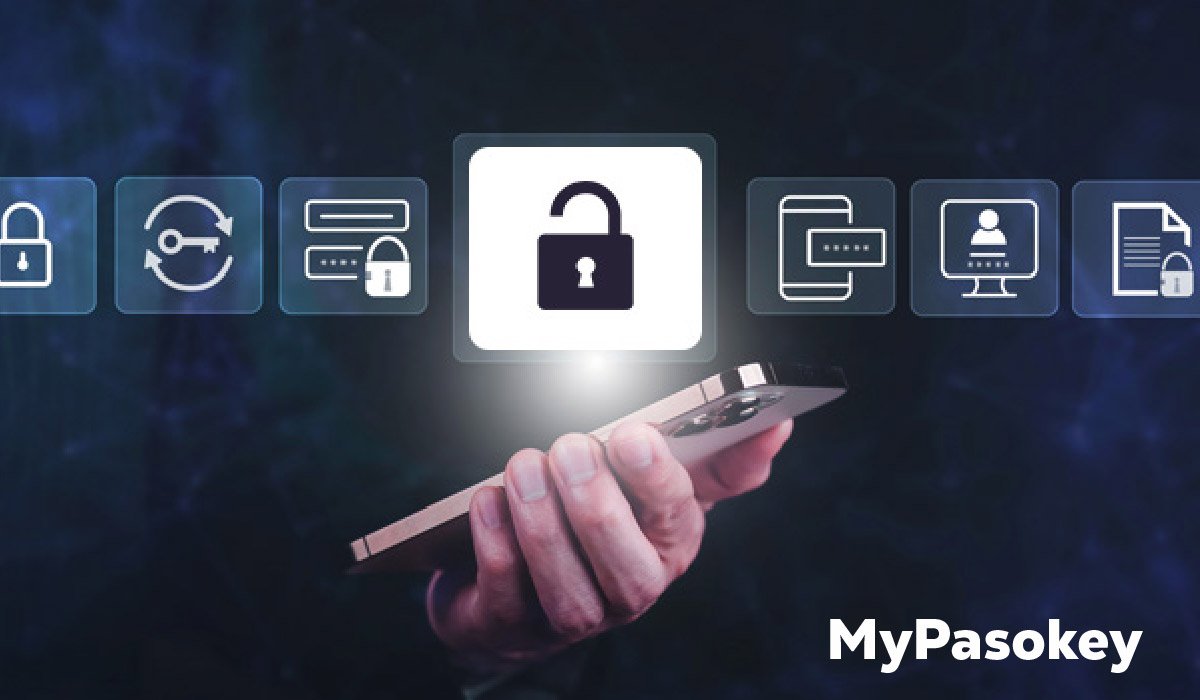
Mypasokey is an advanced authentication platform that completely removes the need for passwords and instead uses modern, highly secure alternatives. It allows users to log into websites, apps, and systems using biometric data (such as fingerprints or facial recognition), verified devices (like smartphones or tablets), and cryptographic key pairs. In essence, it combines what you have (your device), what you are (biometrics), and what you know (device PIN or approval) to verify your identity. This multi-layered approach not only makes unauthorized access nearly impossible but also creates a frictionless experience for users. You no longer need to remember complex passwords, change them regularly, or worry about them getting leaked. From startups to large corporations, Mypasokey offers scalable, secure, and user-friendly access management that fits into today’s digital lifestyle.
How Mypasokey Works – Step-by-Step Breakdown
Mypasokey operates through a seamless, four-step authentication process that combines encryption, biometrics, and trusted devices to ensure top-notch security. First, when a user attempts to log in, an encrypted authentication request is sent to their registered device—usually a phone or tablet. This is known as device-based authentication, and it ensures that only the trusted device can receive and approve the request. Second, the user is asked to confirm their identity using biometric verification—such as a fingerprint scan or facial recognition. This data is processed locally on the device, ensuring privacy and reducing server-side vulnerabilities. Third, Mypasokey uses cryptographic key pairs to validate identity. A private key is stored on the user’s device, and a public key on the service. When the user approves the request, a secure handshake occurs between the two keys, completing the authentication process—without any passwords being transmitted or stored. Finally, all communication between the user, the device, and the system is end-to-end encrypted, preventing any data interception or manipulation. This four-step process allows Mypasokey to offer strong security without compromising convenience.
Key Features of Mypasokey
Mypasokey is packed with features designed for the modern digital environment. Its most notable capability is passwordless login, which completely eliminates the need for users to remember or enter passwords. Instead, users can authenticate in seconds using biometrics or a device approval. It also offers biometric integration, allowing seamless facial recognition or fingerprint access for supported devices. Another powerful feature is its device-based security; authentication requests only work on registered and verified devices, making remote hacks nearly impossible. Mypasokey is phishing-resistant because it doesn’t rely on credentials that can be captured or stolen. For businesses, real-time monitoring and analytics help IT teams track login behavior, spot anomalies, and ensure compliance. It also provides multi-device support, allowing users to manage access across laptops, phones, and tablets. Its easy integration with systems using SAML, OAuth, and other protocols ensures compatibility across a wide range of apps—from Gmail to Salesforce to internal enterprise portals.
Benefits of Using Mypasokey
Mypasokey offers a host of benefits that go far beyond just removing passwords. For individuals, it provides instant access to all online services without the hassle of remembering or resetting credentials. Logging in becomes a one-tap experience, boosting productivity and reducing tech stress. You gain peace of mind knowing your identity is protected by encrypted, biometric-based access that cannot be easily duplicated or stolen. For organizations, the advantages are even more impactful. Support teams see a significant reduction in password-reset requests, which saves time and reduces operational costs. Mypasokey also helps businesses comply with global data protection standards like GDPR, HIPAA, and NIST, thanks to its secure architecture and encrypted communication. Whether it’s onboarding new employees or securing customer logins, Mypasokey delivers a more efficient and secure experience, while also enhancing trust and brand reputation.
Mypasokey vs. Other Security Methods
| Feature | Mypasokey | Passwords | Hardware Tokens | Biometrics Only |
|---|---|---|---|---|
| Passwordless | ✅ Yes | ❌ No | ✅ Yes | ✅ Yes |
| Biometric Integration | ✅ Yes | ❌ No | ❌ No | ✅ Yes |
| Device Dependency | ✅ Trusted Device | ❌ | ✅ Extra Device | ❌ No Device Needed |
| Phishing Resistance | ✅ High | ❌ Low | ✅ High | ✅ High |
| Scalability | ✅ Easy | ❌ Difficult | ⚠️ Moderate | ⚠️ Varies |
| User Experience | ✅ Seamless | ❌ Frustrating | ⚠️ Moderate | ✅ Smooth |
Mypasokey outperforms older and even some modern alternatives by combining the best of multiple approaches. Unlike hardware tokens, it doesn’t require you to carry an extra device. Unlike basic biometrics, it pairs physical traits with cryptographic identity matching. Compared to passwords, it’s miles ahead in security, usability, and adaptability. It’s a future-ready solution for both individuals and organizations.
Real-World Case Study: Mypasokey in Action
Let’s consider the case of a mid-sized financial firm that was facing constant credential theft and customer complaints due to login issues. They experienced frequent phishing attacks and over 300 monthly support tickets related to password resets. After implementing Mypasokey across their internal and customer-facing systems, things changed drastically. Employees could log in using face ID from their mobile devices, while customers authenticated through secure push notifications. The result? A 40% drop in password-related support calls, a significant increase in breach resistance, and higher customer satisfaction scores. IT resources were reallocated from password support to innovation and infrastructure. Mypasokey proved not just to be a tool, but a strategic asset.
Industry Applications of Mypasokey
Mypasokey is not confined to one industry—it’s designed for universal application. Finance, it provides secure access to banking systems, prevents fraud, and supports compliance with KYC and AML regulations. In healthcare, it allows doctors and staff to quickly access EMRs without typing, while also protecting sensitive patient data under HIPAA rules. In the education sector, students and faculty can log in to learning management systems using their face ID or device approval, ensuring access is smooth and secure. Retail and e-commerce platforms can also reduce cart abandonment and improve customer experience by removing password friction. Every industry that values secure, user-friendly access can benefit from Mypasokey.
Potential Challenges and Smart Solutions
| Challenge | Solution |
|---|---|
| User resistance to new systems | Onboarding education, interactive tutorials |
| Legacy system compatibility | API bridges and modular rollout plans |
| Device loss | Multi-device registration and fallback PINs |
| Privacy concerns | Biometric data stays on-device only |
While no transition is entirely without challenges, Mypasokey provides intelligent solutions. It supports multi-device authentication, local biometric storage, and seamless integration via APIs, making deployment practical even in large organizations.
Getting Started with Mypasokey
Starting with Mypasokey is straightforward. Simply sign up on the official website and create your account with a valid email. After email verification, you’ll be guided to register a trusted device, such as your smartphone. Enable biometric access through fingerprint or face ID. Then, start linking your applications—whether it’s Google Workspace, Dropbox, or internal tools. Customize your security alerts and login rules. For advanced users or IT admins, there’s an option to integrate SSO protocols and user management tools. Within minutes, you’re ready to access your digital world without a single password.
User Testimonials
“It changed the way I work. No more password drama.” — Tech Manager, SaaS Startup
“We finally stopped getting daily password reset tickets!” — IT Admin, Law Firm
“I feel safe using Mypasokey for both work and personal apps.” — Freelancer
These voices illustrate how users—from enterprise teams to individuals—are embracing Mypasokey for its ease, power, and peace of mind.
Security & Privacy Promise
Mypasokey was built with security and privacy at its core. Your biometric data never leaves your device—it’s stored locally and never transmitted to any server. The platform uses zero-knowledge architecture, meaning it can authenticate without seeing or storing your credentials. Every transaction is protected by end-to-end encryption, making man-in-the-middle attacks virtually impossible. It complies with GDPR, CCPA, and other major global data protection laws. Frequent updates, transparent policies, and regular audits make Mypasokey not just safe—but trustworthy.
Future Roadmap and Innovations
Mypasokey isn’t standing still. It’s investing in AI-driven threat detection, global language support, and behavioral biometrics like voice and retina recognition. More integrations with third-party platforms like Slack, Salesforce, and Microsoft 365 are on the way. An open-source SDK is planned to empower developers and build a thriving security ecosystem around Mypasokey. These innovations ensure the platform evolves with digital threats and user expectations.
Final Thoughts
In an era where digital threats are growing and user expectations are rising, passwords are no longer enough. Mypasokey offers a smarter, faster, and safer way to access everything you need—whether for personal life or business operations. It combines the power of biometrics, cryptography, and intuitive design into one seamless solution. For those looking to future-proof their digital lives and protect their identities, Mypasokey is more than just a tool—it’s a new standard in cybersecurity.
FAQs About Mypasokey
1. What is Mypasokey used for?
Mypasokey is used to log in securely without passwords.
It helps users access websites and apps using fingerprint, face ID, or a trusted device instead of typing passwords. This makes login faster, safer, and easier.
2. Is Mypasokey safe to use?
Yes, Mypasokey is very safe.
It uses advanced encryption, biometric security, and trusted devices. Your data stays private and protected from hackers, phishing, and data leaks.
3. Can I use Mypasokey on my phone and computer?
Yes, Mypasokey supports multiple devices.
You can use it on phones, tablets, and computers by registering each device. This helps you log in easily from anywhere.
4. What happens if I lose my device with Mypasokey?
If you lose your device, you can still recover your account.
Mypasokey lets you add backup devices or use a recovery process with extra security checks, like biometrics or PINs, to get access again.
5. Who should use Mypasokey?
Anyone who wants safer and easier logins should use Mypasokey.
It’s great for individuals, businesses, schools, and healthcare providers who want strong security without the trouble of passwords.
You May Also Read: Euroyungs com: Shocking Truth You Must Know (Full Guide)