
Flowers in Interior Design: How to Use Plants to Brighten Up Your Living Space

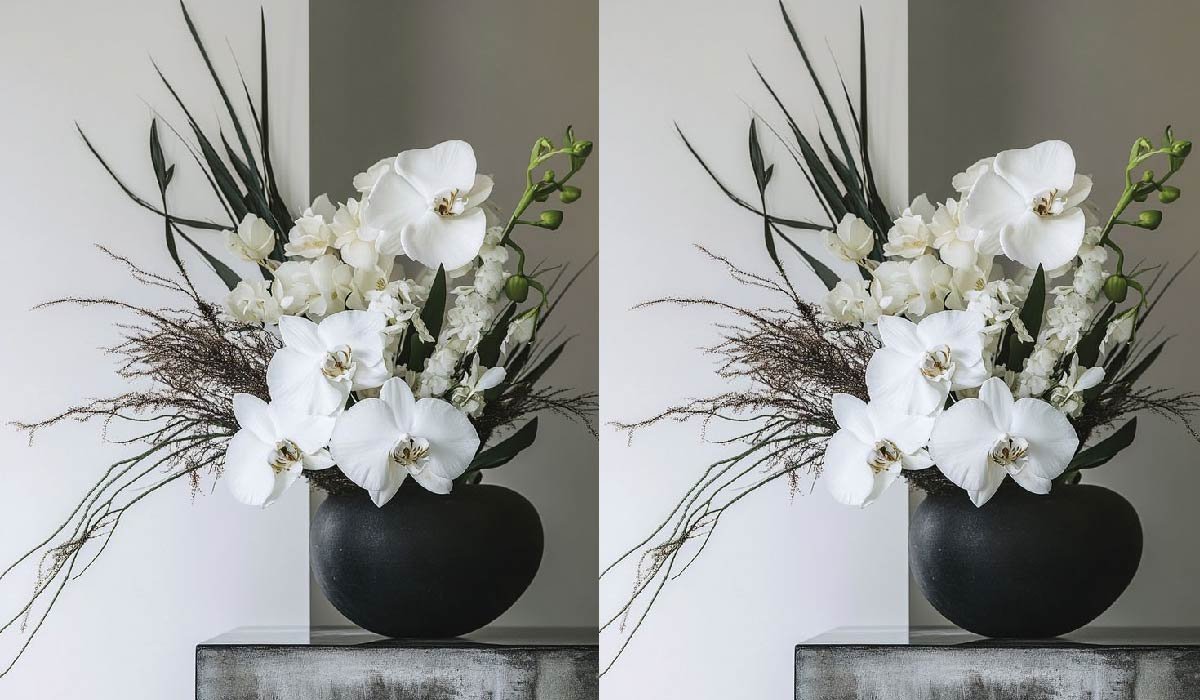
Flowers and plants have the magical ability to transform any living space, adding life, color, and a sense of calm. Whether you’re decorating a small apartment or a spacious home, incorporating plants can completely change the atmosphere, creating a refreshing, cozy, and stylish environment. If you’re wondering how to bring nature indoors, consider using flowers in various forms—from delicate bouquets to large statement plants. For those who want to surprise a loved one, you can always send flowers internationally to add that special touch to their living space, no matter where they are. But beyond gifts, let’s dive into how plants can revamp your interiors.
Choosing the Right Flowers and Plants for Your Home
When incorporating flowers into your interior design, it’s essential to choose the right ones for your space. First, consider the amount of natural light in the room. Some plants thrive in bright, direct sunlight, such as succulents, cacti, and tropical plants like the monstera. For rooms with lower light, plants like peace lilies, ferns, or pothos can flourish without much sun. For vibrant pops of color, you can opt for seasonal flowers like tulips, roses, or lilies, which add brightness to any room.
Creative Ways to Display Flowers
There are countless ways to display flowers and plants, depending on the style of your interior. One simple approach is to place fresh flowers in stylish vases on your coffee table or dining table. A colorful bouquet can serve as a beautiful centerpiece, instantly elevating the room. For a modern touch, consider using geometric vases or terrariums to house your plants.
Hanging plants are another great way to introduce greenery into your space. Ceiling planters, hanging pots, or even wall-mounted shelves for small plants can save space while creating a stunning visual effect. These elevated displays not only save room but also add depth and a sense of dimension to your home.
Bringing Nature Into Every Room
Different rooms in your home can benefit from various types of plants. For example, in the living room, you can use a large statement plant like a fiddle-leaf fig tree to create a focal point, while smaller potted flowers like daisies or orchids can add charm to a bookshelf or window sill. In the kitchen, herbs like basil, mint, and rosemary can be displayed in decorative pots, offering both beauty and practicality as you use them in your cooking.
The bedroom, a space for relaxation, can also benefit from the soothing effects of flowers. Lavender, jasmine, and chamomile are known for their calming properties, making them perfect for promoting restful sleep. Place them in small pots on your nightstand or bedside table for a touch of serenity.
Styling with Flowers in Different Themes
Flowers can complement almost any style of interior design, from minimalist and modern to boho-chic or rustic. If you prefer a minimalist look, choose sleek, simple flower arrangements with neutral tones. A few green plants, such as snake plants or bamboo, can add elegance without overwhelming the space.
For a more bohemian or eclectic style, mix various plants and flowers, including trailing vines, colorful blooms, and unique pots. You can place flowers in mismatched vintage vases or repurpose jars and containers to create a playful, relaxed atmosphere. For rustic interiors, opt for wildflowers in wooden crates or vintage tin cans to give the space a charming, country-inspired look.
Conclusion
Incorporating flowers and plants into your interior design is an easy and effective way to enhance the aesthetic of your living space. Whether you choose simple arrangements, large statement plants, or hanging greenery, flowers have the power to brighten up any room, creating a fresh, inviting atmosphere. They not only beautify the space but also contribute to a healthy living environment by improving air quality and promoting relaxation. So go ahead, bring nature into your home and let flowers elevate your living space to new heights.