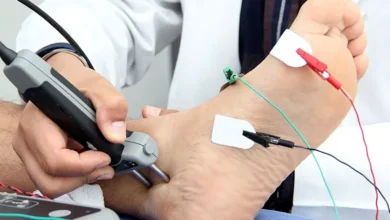
Men used to ignore health issues. Men ignored health issues until they were unavoidable or humiliating. The script is flipping. Something has changed beyond locker room gossip and leaflet campaigns. It seems okay to talk about men’s health now. Statistics show more people seeking clinics for concealed issues. What factors are driving this transformation, and why is it happening now? The answer is trickier than it seems. Telehealth access, employer incentives, celebrity candour, and evidence-based marketing have reduced stigma and emphasised preventive care.
Shifting Attitudes Towards Male Health
Men in physical or mental pain always remained silent. Is the quiet wall crumbling? Crumbling quickly. From podcasts to open forums, erectile dysfunction and penis enlargement using stem cells are discussed. Stoicism is no longer celebrated; vulnerability is respected. Therefore, embarrassment no longer drives behaviour. Men are taking charge rather than watching catastrophes unfold.
Influence of Social Media and Public Figures
Footballers are talking about treatment, music stars are talking about anxiety, and influencers are posting about their surgery recovery. When celebrities’ treatment trips make headlines, ordinary men reevaluate their hesitancy. It feels less isolating to seek help when those admired do just that under the public eye. A ripple effect follows. The conversation spills into group chats and dinner tables everywhere.
Improved Access to Information
The guessing game has ended for good reason: information travels faster than ever before, thanks to smartphones and online portals full of reputable resources (and yes, questionable ones too). Confusion around symptoms doesn’t last long when answers are a search away at midnight or on commutes home from work. Clinics have responded by making it easier to book appointments discreetly online, with some even offering video calls, thereby reducing barriers and eradicating ignorance.
Evolving Healthcare Solutions
Treatments have evolved at breakneck speed. What sounded futuristic years ago is now a routine procedure in specialist practices throughout Britain. From personalised medicines tailored by genetic analysis to minimally invasive surgical techniques that promise fast recovery times, with less stigma attached than ever before, the options multiply every year. This technological leap has transformed fear into genuine hope for a better outcome. The idea of a quick, effective solution makes it much easier to decide to seek help. Confidence grows in medicine’s ability to actually solve problems rather than simply mask them with platitudes or temporary fixes previously offered up as gospel.
Conclusion
Society stands at an obvious crossroads: old attitudes around masculinity crumble while modern reality brings health talk out from the shadows into mainstream acceptance. With new treatments bolstered by growing awareness and open discussion led by visible role models (both famous faces and everyday blokes), this trend will only gather momentum, not fade quietly away again into repression or embarrassment anytime soon. The traditional narrative of “man up” has become obsolete. For the first time, getting help feels like a sign of strength, not a weakness. Progress often sounds loudest when silence breaks first. Currently, change echoes everywhere men listen.