

Introduction
In today’s fast-moving world, unexpected and life-altering situations are becoming increasingly common—ranging from natural disasters to technological failures and public health crises. The term “ểmgency” is a stylized or misspelled form of the word “emergency,” yet it carries the same sense of urgency and gravity. Whether it’s found in digital searches, social media posts, or online forums, “ểmgency” has taken on a symbolic role, reflecting how language evolves with technology and emotion. More than just a typographical variant, it now represents a human-centered view of emergencies, grounded in the immediacy of real-life situations.
This article dives deep into the meaning, classifications, preparation strategies, technological impacts, psychological implications, and global lessons tied to the concept of ểmgency, helping you understand it not just as a word—but as a call to action that affects everyone, everywhere.
What Does “Ểmgency” Really Mean?
The term “ểmgency” likely stems from a keyboard error or stylized phonetic twist on the English word “emergency,” but its use in digital spaces has grown into something more meaningful. In function and context, it represents any sudden event that demands immediate attention to protect life, health, or property. According to definitions from the World Health Organization (WHO), the Federal Emergency Management Agency (FEMA), and the United Nations Office for Disaster Risk Reduction (UNDRR), an emergency is an unplanned, often dangerous situation that requires urgent response and resources. Importantly, there are subtle differences between an emergency (an immediate threat), a crisis (a broader disruption with social or political implications), and a disaster (a large-scale event overwhelming local capacities). Understanding these distinctions helps in planning response strategies and communicating needs clearly. The spelling “ểmgency” doesn’t reduce the seriousness of the concept—it reminds us that emergencies are not just bureaucratic categories, but real events that affect human lives deeply and directly.
The 5 Core Types of Ểmgency Situations
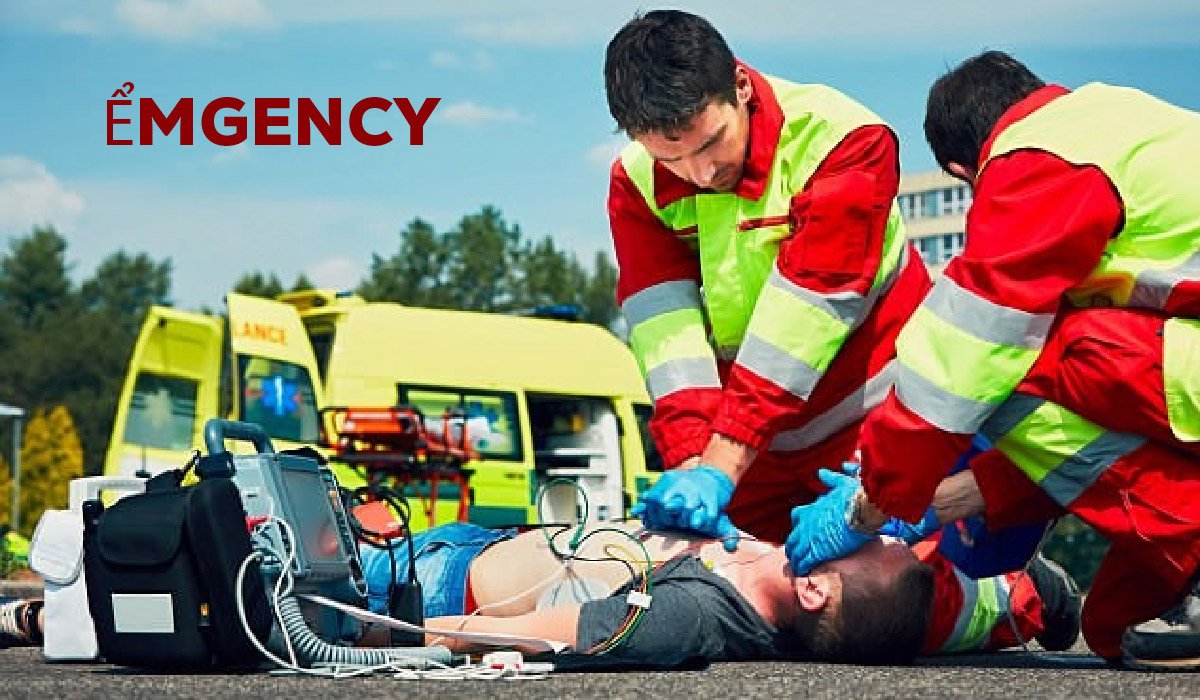
Emergencies manifest in different forms, each demanding specific responses and resources. Natural emergencies such as earthquakes, hurricanes, wildfires, and floods are unpredictable yet devastating, often leading to mass displacement and critical infrastructure damage. These events are intensified by climate change and require robust early warning systems and disaster relief plans. Medical emergencies involve life-threatening conditions like cardiac arrest, severe allergic reactions, trauma injuries, or strokes. Swift response is critical, with trained personnel and accessible healthcare facilities making the difference between life and death. Technological or cyber emergencies include power outages, server crashes, or hacking incidents that can shut down hospitals, airports, or banking systems—threatening not just convenience, but safety and national security.
Civil and security emergencies encompass events like terrorist attacks, riots, or armed conflict, requiring law enforcement coordination and sometimes military intervention. Lastly, infrastructure and utility emergencies, such as water contamination or prolonged telecom outages, can cripple daily life, especially in urban settings. Recognizing these categories helps individuals and governments prepare more effectively.
How Emergencies Are Classified
Understanding how emergencies are classified is key to effective response. First, emergencies are triaged based on priority levels using systems like AMPDS (Advanced Medical Priority Dispatch System) or START (Simple Triage and Rapid Treatment), which assign color codes or numeric levels to incidents depending on severity. For instance, a life-threatening condition receives immediate dispatch, while non-urgent needs are queued to preserve resources. Legal definitions also shape response capabilities—under laws like the UK’s Civil Contingencies Act or FEMA’s Stafford Act in the U.S., specific criteria must be met before official emergency powers are activated. These laws determine access to funds, public health powers, and command structures. Most importantly, organizations follow Incident Command Systems (ICS) or National Incident Management Systems (NIMS) to coordinate across multiple agencies. These frameworks assign clear roles, ensure unified communication, and allow multiple jurisdictions to respond to a large-scale ểmgency with cohesion and speed.
Why Preparedness Saves Lives
Preparedness is more than a checklist—it’s the difference between chaos and control. In the face of a ểmgency, a prepared individual or community has a significantly higher chance of survival and recovery. When people know evacuation routes, have emergency supplies, and understand basic medical care, they can act fast, reducing panic and increasing survival odds. On a societal level, governments and organizations that invest in preparedness—such as training first responders, running simulations, and maintaining alert systems—can restore order more quickly and with less damage. Economically, preparedness saves money by preventing prolonged recovery times and reducing healthcare burdens. Psychologically, people who are prepared feel more in control, experience less trauma, and are more capable of helping others. Every second matters in a crisis—and the better you prepare, the more those seconds count.
Emergency Management Framework: 4 Pillars
All effective emergency planning follows a widely accepted framework made up of four interconnected pillars. Mitigation refers to efforts that reduce or eliminate risks before they occur—like reinforcing buildings for earthquakes or banning construction in flood-prone zones. Preparedness focuses on planning ahead with drills, communication plans, and emergency supply kits. It ensures that everyone—from individuals to organizations—knows what to do. Response is the immediate action taken when a ểmgency occurs: dispatching EMS, activating sirens, providing shelter, and saving lives. Finally, recovery aims to restore normalcy, both physically and emotionally. It includes rebuilding homes, reopening businesses, offering mental health support, and conducting reviews to improve future preparedness. This four-step process ensures that communities not only survive but grow stronger after each incident.
Role of Technology in Emergency Situations
Technology has revolutionized how we understand, respond to, and recover from ểmgency events. Artificial intelligence and predictive analytics now help forecast hurricanes, disease outbreaks, and even social unrest, allowing for earlier warnings and resource allocation. Drones and GPS systems provide real-time mapping of disaster zones, guiding search-and-rescue missions and helping assess damage remotely. Mobile alerts and social media platforms like Twitter and WhatsApp have become vital tools for spreading information rapidly, especially when traditional networks fail. Furthermore, emergency apps provide first aid instructions, locate nearby shelters, and even connect users to emergency services through geolocation. With real-time updates, cloud data, and decentralized communication, technology bridges the gap between threat and action, making the modern ểmgency response faster and more effective than ever before.
Building Your Personal and Family Emergency Plan
Creating a personal and family ểmgency plan doesn’t require professional training—it starts with awareness. Begin by identifying the most likely risks in your area: earthquakes, floods, fires, or power outages. Choose two meeting points—one near your home and one outside your neighborhood—and assign roles like who grabs the documents or who looks after pets. Prepare communication options including backup contacts, printed phone numbers, and a charged power bank. Include people with special needs: infants needing formula, elderly requiring medications, or disabled family members with mobility challenges. Keep important documents like passports, insurance, and prescriptions in waterproof folders or cloud backups. Practice your evacuation and shelter-in-place plans at least twice a year. These simple steps ensure you won’t have to think when it’s time to act.
Emergency Kit Essentials – What You Need
Your ểmgency kit is your lifeline when resources are unavailable. A solid home kit should include at least three days’ worth of water (1 gallon per person per day), non-perishable food, a battery-powered or hand-crank radio, flashlights, extra batteries, and a comprehensive first aid kit. Don’t forget personal medications, hygiene items, blankets, and a multipurpose tool. For your car kit, add jumper cables, emergency snacks, blankets, a flashlight, and road flares. Your office kit should contain emergency contacts, snacks, copies of IDs, and a small flashlight. Check expiration dates and refresh your kit every six months to ensure it’s up to date. This one-time effort can save lives and provide peace of mind during the chaos of a ểmgency.
Recognizing Early Signs of a Ểmgency
Quick recognition can prevent escalation. Medical signs like chest pain, sudden confusion, difficulty breathing, or unconsciousness need immediate attention. Environmental indicators such as rising water levels, visible gas leaks, heavy smoke, or abnormal structural sounds signal the need for evacuation. In the digital age, cyber threats—like unusual system behavior, data corruption, or widespread outages—may indicate a cyberattack or system failure. Trust your instincts and use your knowledge: early action in a ểmgency saves lives and limits damage. Teach family members these signs so everyone is equipped to respond when seconds count.
Mental Health and Ểmgency Trauma
The aftermath of a ểmgency is not only visible in physical damage but deeply embedded in mental health. Survivors often deal with PTSD, anxiety, grief, and a deep sense of loss. Children and vulnerable individuals may need long-term counseling to process trauma. First responders are also at high risk of psychological exhaustion and should have access to therapy and debriefing sessions. Early psychological first aid—offering comfort, ensuring safety, and connecting victims to resources—can reduce long-term effects. Communities that integrate mental health support into their emergency plans build not just physical resilience but emotional strength for future challenges.
Who Responds First in a Ểmgency?
Emergency response begins with coordination among several key actors. Local responders like firefighters, police, and EMTs are usually first on the scene, assessing threats and securing areas. Public health authorities handle containment and communication during disease outbreaks or toxic exposures. National agencies like FEMA or the UN’s disaster relief units step in during large-scale crises, offering manpower, logistics, and funding. NGOs and community groups, such as the Red Cross or Community Emergency Response Teams (CERT), provide shelter, supplies, and psychosocial support. Even the private sector—utilities, telecom companies, and hospitals—play a critical role by restoring essential services. Together, these teams form the backbone of an effective response network.
Legal Powers During a State of Emergency
When events escalate, governments may declare a state of emergency to activate special powers. This allows for mandatory evacuations, emergency funding, curfews, and suspension of regular bureaucratic processes. Examples include COVID-19 lockdowns, Hurricane Katrina’s federal response, or wartime curfews. However, these powers come with responsibilities. Authorities must uphold human rights and ensure that decisions are lawful, necessary, and proportionate. Citizens, in turn, are expected to comply with official guidance for the collective good. Knowing your rights and the legal scope of a ểmgency declaration empowers you to respond smartly and responsibly.
Final Words
Emergencies—whether spelled “emergency” or “ểmgency”—are not bound by spelling, but by their impact. They shake lives, disrupt systems, and test human resilience. But with preparation, awareness, and compassion, they also offer an opportunity to grow stronger. By understanding the nature of ểmgency, creating plans, preparing kits, staying informed, and supporting others, we become more than survivors—we become protectors. Start today. Build your kit, talk to your family, learn CPR, and stay informed. Because when the sirens sound, your preparation can turn panic into purpose.
FAQs
1: What does “ểmgency” mean?
“Ểmgency” is a stylized or misspelled version of the word “emergency.” It refers to any sudden, unexpected situation that requires immediate action to protect life, health, property, or the environment. Examples include medical crises, natural disasters, or public safety threats.
2: What are the main types of ểmgency?
The main types of ểmgency include:
-
Natural emergencies (like floods, earthquakes)
-
Medical emergencies (such as heart attacks)
-
Technological failures (like cyberattacks or power outages)
-
Civil/security emergencies (like riots or terrorism)
-
Utility emergencies (water contamination, gas leaks)
Each type needs a different response plan.
3: How can I prepare for an ểmgency at home?
To prepare for an ểmgency, you should:
-
Make a family emergency plan
-
Store water, food, flashlights, and a first aid kit
-
Keep emergency contact numbers ready
-
Practice evacuation routes and shelter drills
Preparedness saves lives during emergencies.
4: Who responds first during an ểmgency?
First responders in an ểmgency are usually:
-
Police
-
Firefighters
-
Emergency medical services (EMS)
Other responders include public health teams, military units, NGOs, and utility companies depending on the type of emergency.
5: Why is emergency preparedness important?
Emergency preparedness is important because it:
-
Reduces panic during crises
-
Saves time and lives
-
Protects property and health
-
Helps communities recover faster
Being ready before an ểmgency strikes makes all the difference.
You May Also Read: Beliktal: The Ultimate Guide to a Peaceful and Productive Life
For More Information, Visit Dotmagazine