A Practical Guide to Remote Trekking in Nepal: Logistics, Safety and Planning

If you are thinking about trekking in remote parts of Nepal, everything really comes down to three things: planning your logistics properly, staying aware of safety, and preparing yourself before you even arrive. These aren’t the kind of trips you can figure out on the go.
Remote trekking here feels very different from the popular Everest or Annapurna routes. Once you leave those busy trails behind, things get quieter — and a bit more unpredictable. You will walk through empty stretches of mountains, cross high passes, and stay in small villages where facilities are basic, and life moves slowly.
That’s exactly what makes it so special. But it also means you need to be more careful. Flights get delayed, weather changes fast, and if something goes wrong, help isn’t always close by. You can’t rely on last-minute decisions the same way you might on easier treks.
Understanding Remote Trekking in Nepal
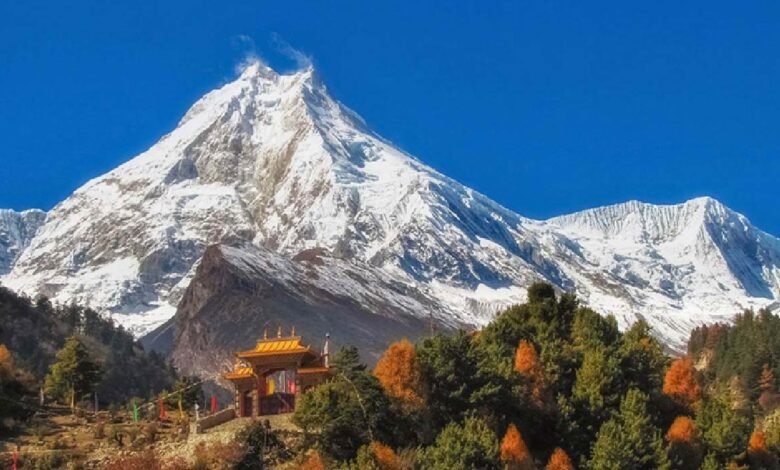
Remote trekking in Nepal isn’t just a quieter version of the popular routes — it’s a completely different experience. Places like Upper Dolpo, Kanchenjunga, and the Manaslu region feel far removed from the busy trails most trekkers are used to. You won’t find many facilities along the way, and villages can be hours — or even days — apart.
In areas like Manaslu, there are also stricter rules in place. You will need special permits, and trekking with a licensed guide is not optional. If you are looking for a trek that still feels raw and untouched, the Manaslu Circuit trek is one of the best choices out there.
Permits and Regulations
Trekking in remote Nepal is not something you can just show up and do. There are permits to sort out, and in some regions, the rules are taken pretty seriously. Depending on where you are going, you might need a mix of conservation area permits and restricted area permits.
Over the years, there has been more focus on safety, which is why many of these rules exist in the first place. They help keep track of the trekkers and make it easier to respond if something goes wrong.
Planning Logistics in Advance
It is never a wise move to leave things to chance when you are aiming for a remote trek. You should plan everything to make sure nothing goes wrong during the trek.
That is because getting to the trailhead itself can be an adventure, and sometimes remote trekking involves flights that depend on the weather. Or you may need to opt for long jeep rides through rough roads.
Accommodation along the trail is simple. Some places have basic teahouses, and others offer homestays. Likewise, food choices are also basic and limited, but filling. There is not always a guarantee that you will get clean drinking water, so having a way to purify it makes a big difference.
Physical Preparation and Endurance
You will be walking for hours every day, often on steep and uneven trails during remote treks. Unlike the popular routes, there are not many easy exit points if you get tired or want to cut things short. Therefore, before starting any remote trek, you need to prepare yourself for this journey by being in good shape.
You do not need to be an athlete to conquer these remote journeys, but you should train yourself so that you are comfortable walking long distances day after day.
Altitude and Acclimatization
During remote treks in Nepal, you generally go above 3,000 meters, and altitude is one of the major challenges there. This is where the role of acclimatization is of great importance.
If you try to rush, it can backfire quickly. You may start experiencing symptoms of altitude sickness. Therefore, a gradual pace, eating properly, and drinking enough water are necessary to avoid these symptoms. A good itinerary gives your body time to adjust.
Nonetheless, if you experience even mild symptoms, do not brush them off. Inform your guide immediately so that necessary action can be taken on time.
Safety Considerations in Remote Areas
You are far from help when you are trekking in remote areas. That is because medical facilities are limited in such regions. If you need to be evacuated, it depends on access as well as weather conditions.
In addition, the weather in the mountains is unpredictable. Likewise, landslides and blocked trails are something you need to deal with occasionally. Navigation is another thing to keep in mind because trails are not always clearly marked.
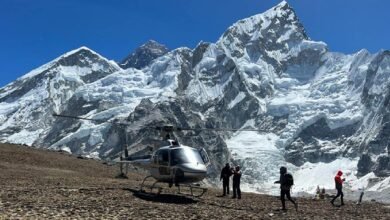
However, if you are someone who wants to experience the Himalayas but feels uncomfortable about a long and demanding remote trek, then you may choose a more comfortable option, like the Everest Base Camp Helicopter Tour. You still get the views, but you do not need to walk long hours for days on the trail.
The Role of a Licensed Guide
In remote regions, a guide is your most reliable companion. They keep track of your route, watch for signs of altitude sickness, and help manage the daily details of the trek.
They also know the local area well. Guides know how the weather is, where to stop, and what to do if plans need to change. In restricted areas, hiring a guide isn’t optional anyway, but even where it is, it’s something most trekkers are glad they did.
Communication and Emergency Readiness
Once you are out on a remote trail, staying connected becomes tricky. Mobile networks can be unreliable or disappear completely as you gain altitude.
Because of that, having backup power for your devices helps. And if you are going really remote, alternative communication tools can be useful. Travel insurance that covers high-altitude trekking and helicopter evacuation is also something you shouldn’t skip.
Packing for Self-Sufficiency
When packing for a remote trek, carry what you will need during the journey. But do not overload yourself. Clothing that you can layer works best since temperatures can change a lot throughout the day. Good boots are essential on rough terrain. A simple first aid kit, a way to treat water, and some extra snacks can make your days much easier.
Choosing the Right Season
Spring and autumn are usually the best times for remote trekking in Nepal. The weather is more stable, and the views are clearer during these two seasons.
Meanwhile, trails get slippery in the monsoon. The risk of landslides is also more common. Likewise, winter brings cold temperatures and snow. As a result, this can block high passes and make some routes difficult or impossible to navigate.
Responsible Trekking Practices
Remote parts of Nepal might look untouched, but that’s exactly why you need to be a bit more mindful when you’re there. These places aren’t built for heavy tourism, and even small things can have a bigger impact.
For example, waste is a real issue. There aren’t proper systems in many villages, so whatever you carry in, you should be thinking about carrying back out.
The same goes for local culture. You are passing through people’s homes. A little awareness — like how you dress, how you interact, even how you take photos — makes a difference.
And honestly, where you spend your money matters too. Staying in local teahouses or hiring local guides isn’t just convenient; it directly supports the people who live there.
Final Thoughts
Remote trekking in Nepal isn’t the easiest thing you will do — and that’s kind of the point. It takes more effort, more patience, and sometimes a bit of discomfort. But that’s also why it ends up feeling more real compared to the crowded routes.
If there’s one thing that makes a difference, it’s preparation. When you have planned things properly, you are not stressing about the basics — you can actually enjoy where you are. And in places this remote, that matters.