Buying a robot vacuum can make your life easier, but simple mistakes during the purchase process can lead to long-term frustrations. Many people focus only on features or price, overlooking crucial factors like home layout and lifestyle compatibility. Understanding what truly matters helps you choose wisely, maximizing convenience and performance while preventing costly regrets later on. Let’s explore these avoidable mistakes in depth.
Mistake 1 – Ignoring Your Home’s Layout and Flooring
Measuring Clearance, Thresholds, and Obstacles
Your home’s structure heavily influences how well a robot vacuum performs. Measure furniture clearance so it can access hard-to-reach spots beneath couches and tables. Check door thresholds between rooms, as some models struggle with height transitions. Consider obstacles like cords, toys, or uneven flooring. Proper preparation ensures smooth navigation and prevents frequent interruptions during cleaning cycles.
Matching the Vacuum to Floor Types and Rug Heights
Different flooring materials demand specialized robot vacuum features. Hard floors require soft-bristle brushes or anti-scratch technology to avoid damage, while thick carpets need strong suction and rotating brushes for deeper cleaning. Rugs with fringes may cause tangles, making tangle-free technology essential. Selecting a vacuum suited to your flooring mix ensures efficiency, durability, and optimal surface protection.
Planning for Multi-Room, Stairs, or Split-Level Homes
Large or multi-room homes require advanced navigation and mapping capabilities. Look for vacuums capable of recognizing zones and remembering floor plans for consistent cleaning coverage. If your home includes stairs, “virtual walls” or drop sensors prevent falls. For split-level designs, consider multiple units or a high-end model that supports multi-floor mapping to maintain seamless performance.
Mistake 2 – Focusing Only on Specs Instead of Real Use
The Suction Myth and Why More Pa Isn’t Always Better
High suction power, often measured in Pascals (Pa), doesn’t always equal superior cleaning. Excessive suction can drain the battery, create a loud noise, and damage delicate rugs. Instead, choose models that balance suction power with energy efficiency and smart sensors. This ensures effective cleaning while preserving battery longevity and providing a quieter, more consistent experience.
Navigation, Mapping, and Obstacle Avoidance Over Raw Power
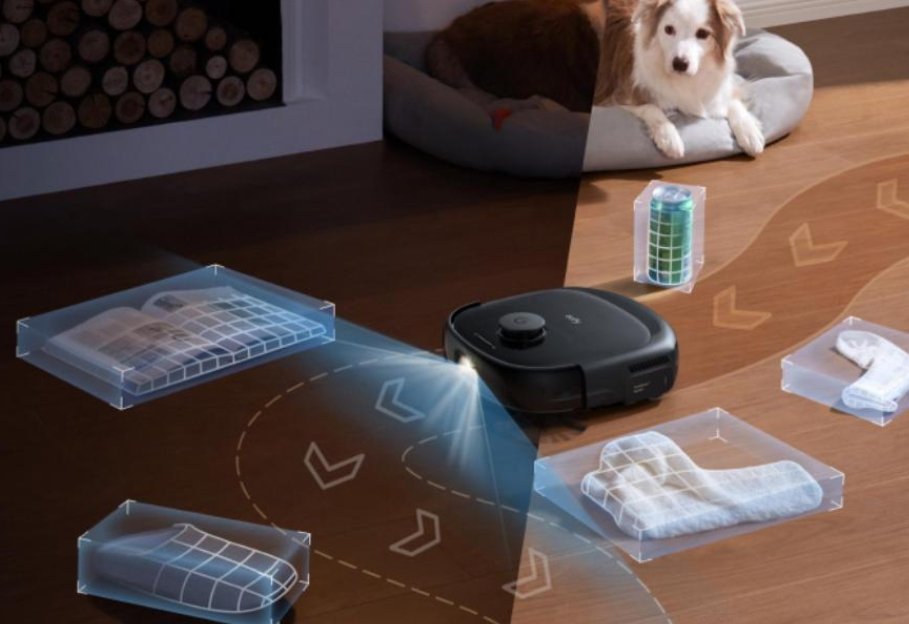
While suction power is important, navigation and mapping technology play a greater role in real-world performance. Models equipped with LIDAR, cameras, and obstacle detection deliver complete coverage without collisions or missed spots. Prioritizing intelligent mapping over brute force provides consistent results, reduces manual intervention, and ensures the vacuum navigates efficiently in complex home environments.
Maintenance, Consumables, and Long-Term Costs Often Ignored
Beyond the purchase price, ongoing maintenance costs significantly impact long-term value. Factor in expenses for replacement filters, brushes, and batteries. Evaluate how easy it is to access and clean components like dustbins and rollers. A model with affordable, widely available consumables and straightforward maintenance will save time, money, and effort over the device’s lifespan.
Mistake 3 – Not Considering Your Cleaning Routine and Lifestyle
Pet Hair, Allergies, and Choosing the Right Features
Pet owners or allergy sufferers must prioritize vacuums with powerful suction, HEPA filters, and anti-tangle brushes. Larger dustbins are ideal for managing pet fur without constant emptying. These features improve air quality, reduce allergens, and maintain cleanliness across multiple surfaces. Tailoring your vacuum choice to specific lifestyle needs ensures both comfort and long-term home hygiene.
Noise Levels, Scheduling, and Daily Cleaning Habits
Noise level and cleaning flexibility are critical for households with varying schedules. Choose models that run quietly during rest hours and support automatic scheduling to clean while you’re away. Adjustable cleaning modes help accommodate daily routines. A well-timed schedule allows your vacuum to work efficiently without disrupting family activities, ensuring convenience and consistency every day.
App Control, Smart Home Integration, and Ease of Use
Modern robot vacuums often include app controls and compatibility with voice assistants like Alexa or Google Home. These features simplify use by allowing remote starts, scheduling, and progress monitoring. An intuitive interface enhances usability, making it easy to adjust settings or receive maintenance alerts. Seamless integration ensures your robot vacuum fits naturally into your smart home setup.
Mistake 4 – Overlooking After-Sales Support and Future Proofing
Replacement Parts, Filters, and Accessory Availability
Before buying, verify that replacement parts like filters, side brushes, and rollers are easy to find and reasonably priced. A brand with reliable part availability prevents performance drops and minimizes downtime. Long-term accessibility ensures your investment remains functional and cost-effective, reducing frustration from discontinued models or difficult-to-source accessories later on.
Software Updates, Firmware Support, and Compatibility
A well-supported robot vacuum should receive consistent software and firmware updates. These updates enhance mapping accuracy, introduce new features, and fix bugs. Choosing brands with proven track records for long-term support ensures your device stays efficient and compatible with evolving smart home ecosystems, protecting your investment for years of continuous improvement.
Warranty, Repairs, and Return Policy Details
Strong after-sales policies reflect a manufacturer’s confidence in product quality. Ensure your purchase includes comprehensive warranty coverage for both hardware and battery. Review repair processes, service options, and return terms before committing. Having reliable support and a clear return policy offers peace of mind, safeguarding your purchase against unforeseen issues.
Conclusion
Selecting the ideal robot vacuum requires more than just comparing technical specifications. By understanding your home’s layout, lifestyle, and long-term maintenance needs, you can avoid common buying mistakes. Focus on navigation, durability, and customer support rather than raw power alone. Informed decisions ensure lasting satisfaction, helping your robot vacuum keep your home effortlessly clean, smart, and stress-free for years to come.