Baby flip flops have become a popular choice among parents who want lightweight, stylish, and easy-to-wear footwear for their little ones. With warm weather, beach trips, outdoor family gatherings, or everyday use, baby flip flops offer convenience and adorable style. However, choosing the right pair goes beyond looks — parents must consider comfort, support, durability, and safety. This guide explores the benefits, features to look for, and tips for choosing the best baby flip flops.
Why Baby Flip Flops Are Popular
Baby flip fl flops are designed to be soft, flexible, and ultra-lightweight, making them ideal for warm climates and short outdoor activities. Parents appreciate them because:
- They Are Breathable
Baby flip flops allow airflow around the foot, preventing heat buildup and reducing sweat. This is especially beneficial during summer or while traveling to warm destinations.
- Easy to Put On and Take Off
Babies rarely hold still, and parents love footwear that saves time. Flip flops, especially those with back straps, make it much easier to get little feet ready for on-the-go adventures.
- Stylish and Fun Designs
From pastel tones and cute characters to bright beach patterns, baby flip flops come in endless designs. They’re a fun way to complement summer outfits or match family beachwear.
- Perfect for Water Play
Unlike sneakers or closed shoes that get soaked easily, baby flip flops dry quickly. They’re ideal for pools, splash pads, and sandy beaches.
Safety Considerations for Baby Flip Flops
Although baby flip flops offer convenience, safety should always come first. Babies and toddlers are still developing balance, coordination, and muscle strength in their feet. That’s why choosing the right pair is essential.
- Choose Flip Flops With Heel Straps
Standard adult-style flip flops easily slip off, increasing the risk of tripping. Always choose baby flip flops with adjustable heel straps to keep the foot secure.
- Soft, Flexible Soles Are a Must
Babies need freedom to wiggle their toes and develop natural walking patterns. Look for flip flops with soft but supportive rubber or EVA soles.
- Avoid Hard or Heavy Materials
Overly stiff soles can make early walking difficult and uncomfortable. Lightweight flip flops reduce fatigue and allow natural movement.
- Avoid Prolonged Use for New Walkers
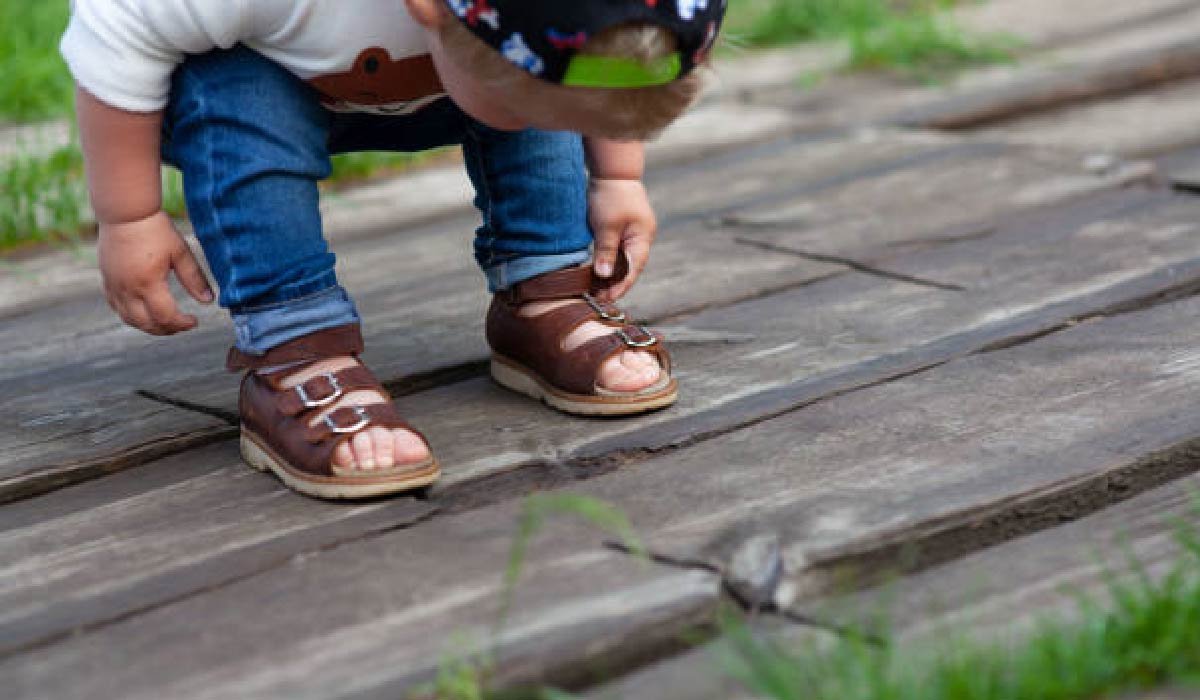
For new or unsteady walkers, flip flops should be used in moderation — short outdoor walks, the beach, or quick errands. For longer outings, supportive shoes like sandals or sneakers may be better.
- Check for Skin Irritation
Baby skin is delicate, especially between the toes. Choose soft, rounded straps to prevent chafing or redness.
Features to Look for When Choosing Baby Flip Flops
Not all baby flip flops are created equal. These features help ensure comfort, durability, and safety:
- Adjustable Straps
Straps that adjust at the heel or sides allow you to customize the fit and accommodate growing feet.
- Non-Slip Soles
Toddlers love running on slippery surfaces like tile or wet sand. Anti-slip soles provide better traction and stability.
- Cushioned Footbeds
A soft cushioned footbed adds comfort, especially during longer play sessions or walks on uneven surfaces.
- Lightweight Materials
PVC, EVA foam, or soft rubber are common in baby flip flops because they are light, flexible, and easy to clean.
- Waterproof and Easy to Clean
Babies get messy — no surprise there. Flip flops that wipe clean or dry quickly are ideal for outdoor and water activities.
When and Where Baby Flip Flops Are Best Used
Baby flip flops are great for casual, supervised activities—especially during warmer seasons. Perfect occasions include:
- Beach or Pool Trips
Flip flops keep little feet cool and protect them from hot sand or rough surfaces.
- Short Outdoor Walks
For quick trips outside, backyard play, or strolls around the neighborhood, flip flops work wonderfully.
- Travel and Vacations
Their lightweight design makes them easy to pack, and they dry fast after water play.
- Indoor Summer Wear
Baby flip flops can be comfortable for wearing inside during warm months, reducing sweating and overheating.
Caring for Baby Flip Flops
Proper care extends the life of the footwear and prevents odors or irritation.
- Rinse After Beach or Pool Use
Sand and chlorine can degrade the material. A quick rinse helps maintain durability.
- Air Dry Always
Avoid heat sources, which may warp rubber or foam.
- Clean Regularly
A gentle wipe with mild soap keeps them fresh and hygienic.
- Check Straps Frequently
Make sure straps haven’t loosened or worn out, especially the heel strap.
Should Babies Wear Flip Flops Every Day?
While baby flip flops are cute and convenient, they should be used thoughtfully. Daily or prolonged use isn’t ideal for new walkers because:
- Flip flops do not offer arch support
- They can cause toe gripping, affecting walking form
- They are easier to trip in compared to sandals or sneakers
For older toddlers with better balance, flip flops can be worn more regularly — as long as they fit well and offer secure straps.
Conclusion
Baby flip flops offer a perfect blend of style, comfort, and convenience for warm-weather outings and water play. With breathable materials, adorable designs, and easy slip-on features, they quickly become a favorite among parents and little ones. However, choosing the right pair — with secure heel straps, flexible soles, and soft materials — ensures that safety and comfort come first.
Whether you’re planning a family beach trip, enjoying a sunny day outdoors, or simply looking for lightweight footwear, baby flip flops make a charming and practical choice for tiny feet. With thoughtful selection and proper use, they can keep your baby happy, stylish, and comfortable all summer long.