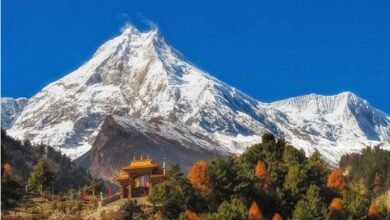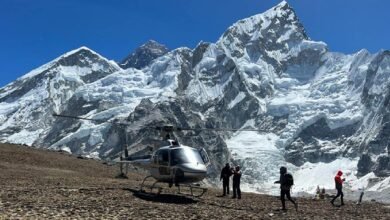

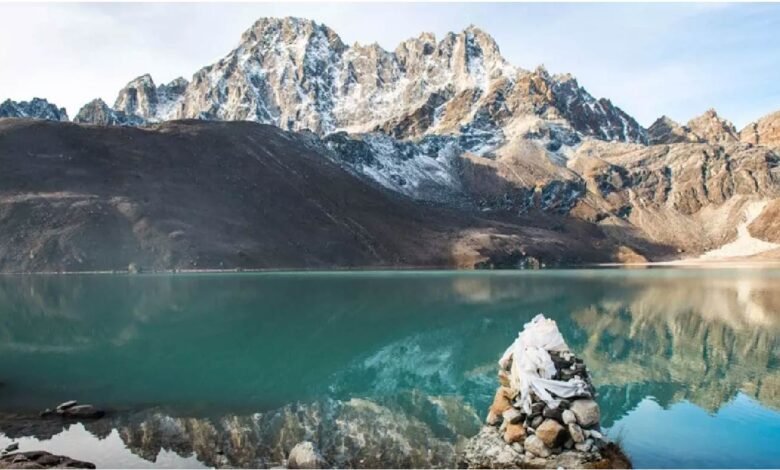
Most travelers who come to the Everest region look for the mountain peak as their main destination.
The visitors come to experience the high-altitude environment and the snowy landscapes and to view Mount Everest, the tallest mountain in the world. But few realize that the most meaningful ascent here is cultural.
It happens within Sherpa kitchens which are warmed by iron stoves. Inside ancient monasteries where monks perform their chants before daybreak. The culture is reflected in stone paths which feature mani walls with mantras carved into them. The cultural immersion process continues through chitchats over butter tea, tales about past expeditions and practices that honor the mountains as divine.
The Everest region serves as a testing ground for mountain climbers who want to prove their abilities. Besides, it is a native territory, a profound religious geography. The region is a living history of Tibetan Buddhist customs adapted to the high-altitude environments. The region offers hidden culture explorers and highland lifestyle enthusiasts a chance to experience both physical challenges and newfound perspectives.
Here, altitude shapes architecture. Climate shapes cuisine. Faith shapes daily rhythm. Community customs determine how people manage their international trek and expedition business operations.
The adventures in the Everest region are for those who value cultural immersion as much as physical achievement. The quality of journeys is not only defined by how high you climb but also by how deeply you connect to the region. In the Khumbu, the mountains may dominate the skyline but it is the people who define the experience.
Who Are the Sherpas?
The term Sherpa should not be treated as a general term for mountain guides because it actually refers to an ethnic group that originated from eastern Tibet more than 500 years ago. Most Sherpa communities now reside in the Khumbu region of Nepal within the Sagarmatha National Park.
Sherpas have gained global recognition for their role in supporting expeditions to the Himalayas. But that role is only one dimension of their identity. They are:
- Farmers and yak herders.
- Lodge owners and local entrepreneurs.
- Practitioners of Buddhism
- Community leaders
- Protectors of natural resources and cultural heritages in the area
Tibetan Buddhism in Daily Life
The people in the Everest region display their spiritual beliefs beyond temple worship. These beliefs guide their daily choices.
Suspension bridges adorned with vibrant prayer flags create a striking visual display. The trails feature mani stones carved with holy mantras. The villagers rotate prayer wheels as they walk, whispering prayers and sending blessings into the wind.
The spiritual landscape of this area centers around Tengboche Monastery which represents the biggest and most important Buddhist monastery in this region. The monastery is situated above the Dudh Koshi River which serves as a spiritual center for Sherpas and trekkers who visit the area.
Mini Story: During peak trekking season climbers who plan to ascend Everest request monks to perform a blessing ceremony. The Sherpa people receive mountain protection prayers before they strike ice axes at the Khumbu Icefall. This is because Sherpa culture views mountains as sacred which should not be conquered.
Sherpas consider Chomolungma to be the “Mother Goddess of the World”. The way you experience the area completely transforms after you understand this perspective.
Food, Hospitality, and the Culture of Resilience
The way Sherpas provide hospitality services reflect their genuine care toward other people. Survival in high altitude areas depends on people’s ability to work together as a team. It requires cooperation, trust, and mutual care. The community considers food, shelter and guidance to be essential parts of their cultural practices.
What You’ll Eat Basically:
- Dal Bhat – Lentils, rice, seasonal vegetables. It provides necessary nutrition for extended walks on rugged mountain paths
- Sherpa stew – Thick, warming, protein rich; sustains body heat at high altitudes.
- Butter tea – Salty, calorie-dense, rich in fat; for endurance and warmth in sub-zero temperatures.
The food served here does not fulfill a luxury dining experience. It is prepared specifically for surviving at 3,500 meters plus altitudes. Sherpa cuisine is practical, high-energy, and adapted to the demands of life in the mountains.
How to Experience Sherpa Culture Authentically
If your aim is to experience the local Sherpa culture of the classic Everest region as much as traversing the high altitude trails and summiting the towering mountains,
- Spend two to three days in total in the trail villages like Namche Bazaar, Gokyo, Tengboche etc instead of moving quickly between trekking checkpoints
- Participate in a ceremony held in the monasteries to witness the local religious practices and gain insight into traditional values at a very deep level. The owners of the lodges usually have information about the upcoming ceremonies to be held in the puja centers.
- Engage with the Sherpa guides who will introduce their traditions, daily activities and their mountaineering experiences
- Learn essential cultural practices which include walking clockwise around mani stones, removing shoes before entering homes and more
Cultural Immersion During Treks and Expeditions
The Everest region attracts travelers who seek to push their physical boundaries to accomplish their alpine objectives. Popular treks such as Everest Base Camp, Three Passes Trek and Gokyo Lake Treks draw people who want to experience stunning views and the thrill of high-altitude trekking.
Likewise, the Everest Climbing, Ama Dablam Expedition and Three Peaks Challenge call for climbers who want to reach mountain summits and have record-breaking experiences.
While these treks and expeditions provide adrenaline and accomplishment they also offer a unique window into Sherpa life if approached with attention. Most travelers prioritize their altitude challenges to reach higher altitudes more easily and quickly. But the most unforgettable trips are those that balance both physical accomplishments and local cultural experiences.
The mountains provide lessons about endurance while human interactions deliver insights about life. The Khumbu region offers more than its summits. The human and cultural narrative is what stays with you long after the peaks fade from view.