

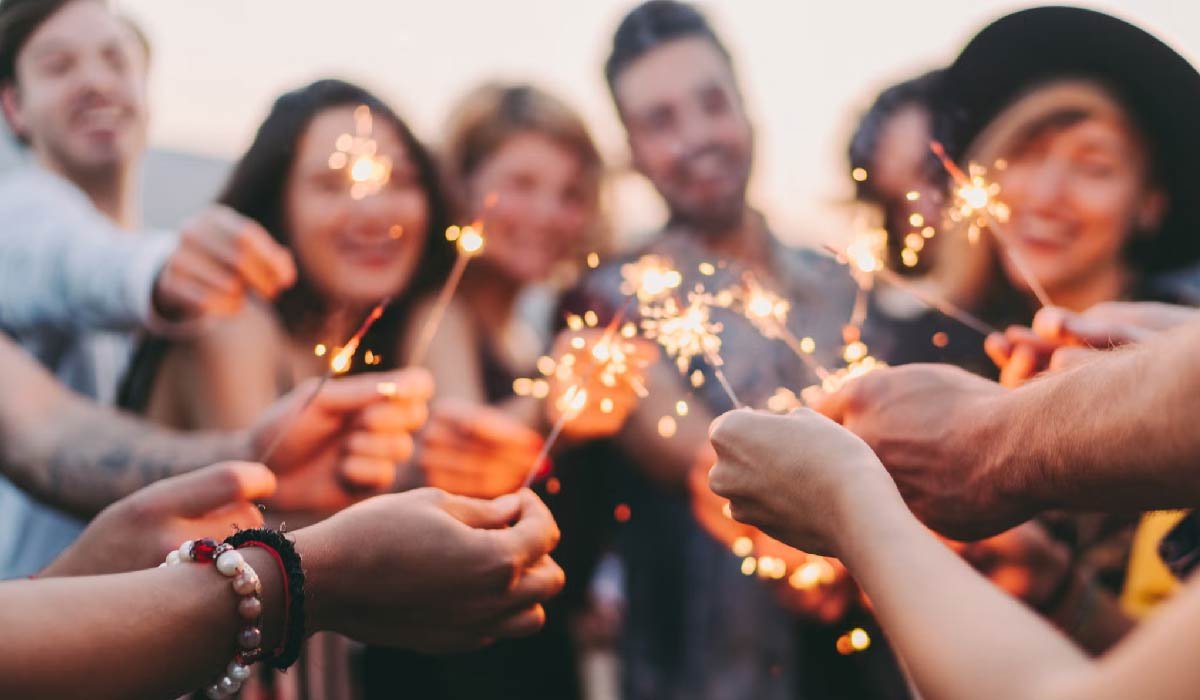
The turning of the calendar from one year to the next is a universal moment of reflection and celebration, yet the ways different cultures mark this transition vary dramatically. From quiet family gatherings to explosive street festivals, New Year traditions around the world reveal fascinating insights into what communities value most as they bid farewell to the old and welcome the new.
Spain: Twelve Grapes for Twelve Wishes
In Spain, the New Year countdown involves a delicious challenge. As the clock strikes midnight, people rush to eat twelve grapes—one for each chime of the clock. Each grape represents good luck for one month of the coming year. This tradition, known as “las doce uvas de la suerte,” dates back to 1909 when grape growers in Alicante promoted the custom to sell their surplus harvest. Today, Spaniards gather in town squares across the country, grapes in hand, ready to test their speed-eating skills while laughing with friends and family.
Japan: Ringing in Peace and Reflection
Japanese New Year celebrations, or “Shogatsu,” blend ancient Shinto traditions with Buddhist practices. One of the most moving customs is “Joya no Kane,” where Buddhist temples ring their bells 108 times—once for each of the 108 earthly temptations in Buddhist belief. The final ring occurs precisely at midnight, symbolically cleansing people of their past year’s sins and desires. Families clean their homes thoroughly before the New Year, visit shrines for their first prayers of the year, and enjoy traditional foods like “osechi-ryori,” elaborately prepared dishes that represent different wishes for the coming year.
Scotland: First-Footing and Hogmanay
Scotland’s “Hogmanay” celebrations are legendary, with traditions that stretch back to Viking times. The most distinctive custom is “first-footing,” where the first person to cross a threshold after midnight determines the household’s fortune for the coming year. Traditionally, a tall, dark-haired man bearing gifts of coal, shortbread, salt, and whisky is considered the most auspicious first-footer. Edinburgh’s Hogmanay festival has become one of the world’s largest New Year celebrations, featuring torchlight processions, concerts, and street parties that last well into the morning.
Germany: Lead Pouring and Midnight Toasts
German New Year’s Eve, or “Silvester,” combines both solemn and festive elements. One quirky tradition involves “Bleigiessen,” or lead pouring, where people melt small lead figures over a flame and drop them into cold water. The resulting shapes are interpreted to predict the coming year’s fortune. Germans also have a tradition of watching the British comedy sketch “Dinner for One” on television—a ritual so beloved that it’s broadcast multiple times on New Year’s Eve despite being virtually unknown in the UK.
In the Black Forest region of Germany, New Year celebrations often incorporate the area’s rich tradition of craftsmanship and timepieces. The symbolic importance of clocks in marking the transition from old year to new holds special significance in communities where families have crafted traditional German cuckoo clocks for generations. These handcrafted timepieces, with their distinctive chimes marking each passing hour, serve as a reminder of time’s steady march forward and the importance of cherishing each moment as it passes.
Brazil: Jumping Waves and White Clothing
Brazilians celebrate “Réveillon” with beach parties that blend indigenous, African, and European traditions. In Rio de Janeiro, millions gather on Copacabana Beach dressed entirely in white—a color associated with peace and good luck in Afro-Brazilian religions. At midnight, revelers jump over seven waves while making wishes, each wave representing a wish for the new year. Offerings of flowers, perfume, and jewelry are cast into the ocean for Yemanjá, the goddess of the sea, in hopes of receiving blessings for the year ahead.
Philippines: Circles, Noise, and Abundance
Filipino New Year traditions center around attracting prosperity and good fortune. Circles—representing coins and symbolizing wealth—appear everywhere, from polka-dot clothing to round fruits displayed on tables. Families prepare exactly twelve round fruits to represent the twelve months ahead. At midnight, Filipinos create as much noise as possible with fireworks, car horns, and pots and pans, believing that loud sounds drive away evil spirits and bad luck. Children jump at the stroke of midnight, hoping to grow taller in the coming year.
Denmark: Smashing Plates and Jumping into the New Year
The Danish save their broken dishes all year specifically for New Year’s Eve, when they throw them at friends’ and neighbors’ doors. Finding a pile of broken crockery on your doorstep is actually a sign of affection—the bigger the pile, the more popular you are. Danes also have a tradition of jumping off chairs at the stroke of midnight to “leap” into the New Year, literally jumping from the old year into the new one.
Ethiopia: September New Year and Flower Carpets
Ethiopia follows a different calendar, celebrating New Year, or “Enkutatash,” in September—coinciding with the end of the rainy season and the blooming of golden daisies. Children pick bouquets of these flowers to give to neighbors, and families gather for coffee ceremonies and festive meals. Girls dress in new clothes and go door to door singing traditional songs, while bonfires light up the night as communities gather to celebrate together.
Common Threads Across Cultures
Despite the vast differences in how cultures celebrate, certain themes emerge universally. Nearly every tradition involves gathering with loved ones, reflecting on the past, and expressing hopes for the future. Many customs incorporate elements of purification or cleansing—whether through noise, fire, water, or fresh starts. Food plays a central role almost everywhere, often with specific dishes believed to bring luck, prosperity, or health.
The concept of marking time itself holds deep symbolic meaning across cultures. Whether it’s Spain’s twelve grapes synchronized with clock chimes, Japan’s 108 bells, or the countdown to midnight that unites celebrations worldwide, humanity has always recognized the power of time’s passage and the opportunity for renewal that a new year represents.
These diverse traditions remind us that while the calendar date may be arbitrary, the human need to mark transitions, honor the past, and look hopefully toward the future is truly universal. Whether you’re eating grapes in Madrid, jumping waves in Rio, or raising a glass with friends anywhere in the world, New Year’s Eve offers a moment to pause, reflect, and celebrate our shared humanity across all cultural boundaries.