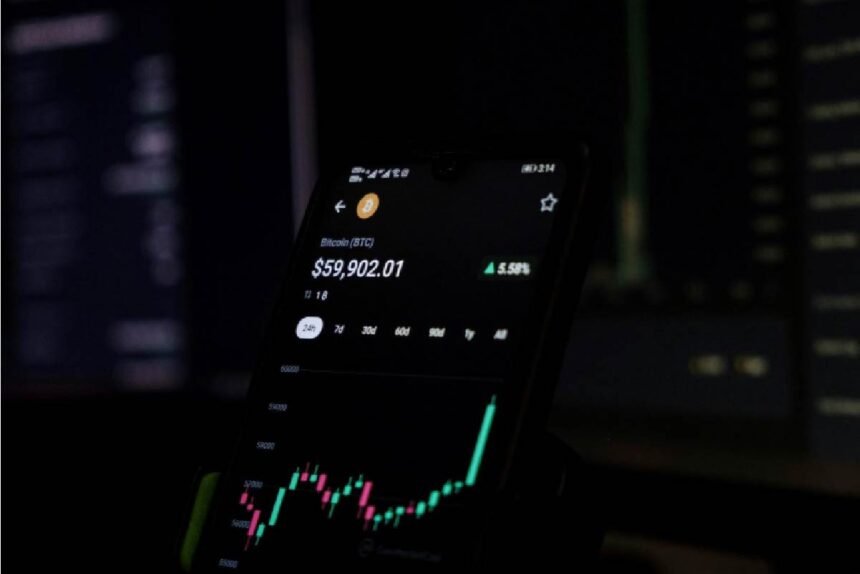
Crypto whales are entities that hold a considerable quantity of cryptocurrencies, meaning that they also end up having an effect on the prices and liquidity. All traders and investors keep track of their activities as a result, knowing that the choices they make can trigger different movements and volatility that can influence their strategies as well. The whales have the capacity to cause disruptions in the larger ecosystem, even if they don’t intend it, something that typically happens when accounts become active.
Liquidity is impacted as they are essentially hoarding cryptocurrencies, a situation that leads to scarcity in active circulation, with the volatility either increasing or decreasing as well, due to the impact of large transactions. Investors must always keep an eye on the price changes on platforms such as Binance if they want to learn about the intricacies of how to buy cryptocurrency at the right times. The websites provide metrics they can use to create stronger strategies and ensure their portfolios are more robust and able to withstand the shifts and turns.
The crypto market has been dealing with much larger prices recently, and the record values raised many questions about whether historical data can still help them predict the future trajectory of a coin. The fact that oscillations continue to occur hasn’t helped traders either.
The impact and role of the whales
According to recent data, the top 100 wallets in the BTC ecosystem held more than 15.4% of all the coins, but there are thousands of others that own fewer than 10,000 coins, which can still be regarded as whales. Whale transactions are published so that traders can keep up with them, since this demographic can be quite problematic due to the fact that they don’t move the coins. Many of the top addresses associated with Bitcoin whales were revealed to be exchange cold wallets, reserve accounts, and even accounts that hold stolen coins.
The fact that the top 100 control several million coins has also raised concerns regarding potential centralization as well, a feature that would be in complete antithesis with the fundamental features of cryptocurrencies. Even though they hold so many assets, their impact when it comes to liquidity is much smaller than in the case of the wallets holding between 100 and 10,000 coins. The reason for that is due to the scarcity of transactions. In fact, researchers have discovered that there are some wallets that began accumulating Bitcoin all the way back in 2009 and haven’t had any outgoing transactions ever since.
Creating volatility
Whales have the ability to boost price volatility as well, particularly when they move a large number of coins in a single transaction. This typically occurs by creating significant downward pressure on BTC’s price if the owner tries to exchange crypto for fiat, since users see the transaction as well. Some investors go on high alert when the whales start selling, beginning to watch for indicators that these investors are dumping their holdings.
Some also look to the exchange inflow mean, a metric that determines the average amount of a specified cryptocurrency that is deposited on a platform. If the figures rise above 2.0, it means that the whales will most likely start dumping, especially if the numbers are correlated with many addresses using the exchange. The price and its fluctuations are under the influence of both whale transactions and the inflow mean, so traders have to keep up with both metrics to have good yields.
Since some blockchains have granted voting rights for cryptocurrency holders, if a whale accumulates enough crypto, they have the potential to influence the blockchain’s long-term development, as the votes are frequently weighed depending on the holding size of the user who casts them. As a result, the whales have the potential to influence the long-term development of any blockchain. It’s likely that they might want to push for changes that create more benefits for themselves, or even some that can lead to the blockchain becoming less decentralized.
These changes could end up impacting the appeal of cryptocurrencies in the long run, leading to fewer people who want to give cryptocurrencies a chance, as well as fewer dedicated investors.
On-chain data
According to recent data, the number of bitcoin whales has been growing steadily since October 2025. Market researchers say that some whale selling is still underway, but that changes in macroeconomics had a large impact on the market and will continue to influence things in the future. The balance between sellers and buyers was impacted as well, particularly that between mega whale sellers (those that have anywhere between 1,000 and 10,000 BTC) and whale buyers, who own 100 to 1,000 coins. Super and mega whales have been absorbing the whale selling, but the 30-day net flow ratio between them continued to show rather decisive net selling.
The fact that Bitcoin has been shifting between fear and greed has added further disruptions, feeding the pressure, while others believe that the current price levels are a kind of generational opportunity. Many investors believe that the market has reached a bottom as well, or if things haven’t reached that point yet, that they will do so in the next few weeks. Long-term investors believe that this is indeed a stellar opportunity for their demographic, pointing out that BTC was already among the first to turn over, ahead of the most recent market pullback.
The bottom line
The cryptocurrency market is incredibly complex, and if they want to be successful, investors must be ready to plan carefully. It’s important to remember that looking after your portfolio requires you to do your research and figure out where the market is headed next as much as you can. The movements made by whales can inform your decision as well, so remember to take them into account, too. Don’t fall prey to FOMO or follow what others are doing just because it seems like a good idea. You have no idea about their long-term plans, and they may very well not be aligned with yours.
Having a robust yet flexible strategy, so that you can adjust it in the event of unforeseen circumstances, is key to being successful in the crypto world.