The same-day courier sector in the UK has consistently operated as a service centered on human urgency — a driver, a vehicle, and a time limit. For many years, that has been the operational model, mostly the same. However, in the last five years, the technology framework underlying the driver has changed significantly. By 2026, the distinction between courier operators who have upgraded their services and those who remain outdated is now the key competitive factor in the industry.
The change doesn’t attract attention like autonomous delivery pods or drone couriers do. It’s more serene and functional — a combination of telematics, optimized routing, customer-oriented tracking platforms, and electrifying fleets that collectively reshape the dependable promises of a same-day service. For companies reliant on immediate logistics, recognizing this change is essential: it alters both the possibilities and the entities able to fulfill them.
Telematics in real-time and optimization of dispatch management
Telematics serve as the basis for today’s same-day courier services — vehicles equipped with GPS consistently transmit their location, speed, and status to a centralized dispatch system. Ten years ago, the majority of couriers in the UK relied on radio dispatch, with drivers requesting updates. Currently, the dispatch team can view the complete fleet on a real-time map, allocate the closest available vehicle to a new urgent request within seconds, and offer the customer a confirmed ETA before the driver has accepted the assignment.
The result of operations is quicker response times and shorter collection periods. Leading same day courier services in the UK now offer standard collection windows of 60 minutes in urban areas—an achievement made possible by real-time fleet tracking. For urgent B2B tasks, that enhancement directly leads to production lines that continue operating and deadlines that are achieved.
Tracking for customers — the expectation of visibility
A second technological change has occurred on the customer side of the service. Amazon, DPD, and comparable retail courier services have conditioned end customers to anticipate live tracking, ETA notifications, and driver interaction as standard offerings in any delivery. B2B same-day clients have adopted the same expectations and are unwilling to accept the ‘we’ll notify you upon delivery’ approach that typically characterized urgent courier services.
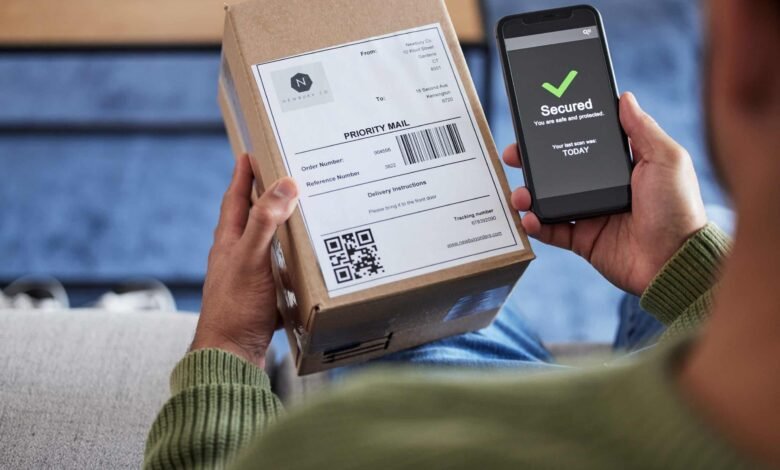
Contemporary same-day service providers now offer clients tracking links, driver contact information, and automated delivery confirmations along with proof-of-delivery images. The technology underlying this — a web portal connected to the dispatch system and driver mobile applications — is common with larger operators but remains a distinguishing factor for smaller ones.
Optimisation of routes and dispatch aided by AI
The more advanced platforms currently apply machine learning to real-time traffic data to dynamically enhance route selection. For a same-day delivery service, selecting a route isn’t solely based on the quickest possible path — it also considers the fastest option considering current traffic, existing incidents, road construction, and historical trends for that specific time.
AI-supported dispatch additionally aids in the more challenging issue of job sequencing. If a driver is already on their route, should a new urgent booking in their vicinity be assigned to them or to another driver who is farther away but has an open schedule? These micro-decisions dictate if an urgent service can consistently fulfill its collection commitments — and they are increasingly being made by software rather than dispatcher instincts.
Electrification of fleets and transitioning to a multi-regional scale
The adoption of electric vehicles for urban delivery fleets is now evident in UK same-day courier services, especially in London and other cities with clean air regulations. Compact electric vans are now suitable for urgent document deliveries and small package tasks in city centers, thanks to range and charging improvements
Complete electrification of the fleet remains a long-term endeavor. Long wheelbase vans, Luton vans, and bigger rigid trucks — which handle most of the UK’s urgent pallet and freight jobs — continue to rely on diesel for the time being, as significant electric options are still 3–5 years away. The most noticeable change is in the geographical scope of UK national courier operations — companies that once concentrated on a specific area are now managing coordinated networks across multiple regions, relying entirely on the technology infrastructure to maintain consistent dispatch and tracking across locations.
Integration and API accessibility
One of the most important changes from a commercial customer’s viewpoint is API integration. Contemporary same-day service providers offer booking, tracking, and invoicing via APIs that can connect directly to a client’s ERP, warehouse management system, or internal logistics platform. For a company handling numerous urgent shipments weekly, the capacity to initiate a booking from their own system — instead of calling a dispatcher every time — represents a significant boost in productivity.
The alteration is slight yet significant. Arranging an urgent courier was formerly a direct interaction between people each time. Currently, for established accounts, transactions typically occur between systems, with human intervention only required when human judgment is necessary.