

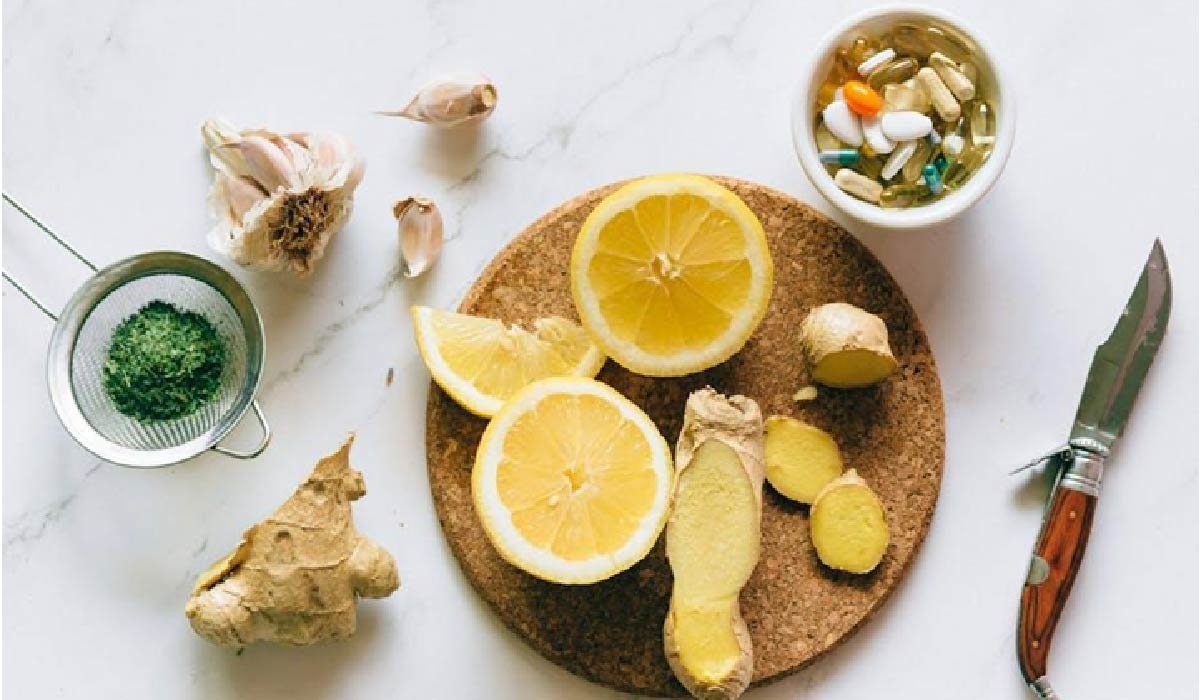
A complex dance between ancient herbal medicines and modern wellness laboratory breakthroughs unfolds in the ever-changing landscape of health trends. Childhood recollections of chamomile teas and minty compresses compete with Instagram tips. However, integrating these worlds requires more than simply throwing everything into a blender and clicking ‘start’. Safe integration takes care, scepticism, and research, not just enthusiasm. Without caution, repair may be risky. How can anyone handle old clinical claims? The opportunities and risks seem infinite.
Knowing What Each Method Offers
The market today overflows with choices, from those eager to buy HHC products on impulse to others brewing up homemade elderberry syrup in battered saucepans. Some gravitate towards herbs because they feel “natural” means safe, hardly a flawless equation. Others trust only science-backed pharmaceutical blends, convinced that regulation equals reliability every time. Yet ignoring either side cheats the body out of genuine benefits or protection. Context is king here: knowing how active compounds interact (herbal or synthetic) matters far more than brand loyalty or tradition alone. That’s why examining both sources with equal curiosity sets a foundation for meaningful, lasting results.
Risks Lurking Beneath Good Intentions
Keep one thing crystal clear: not every plant-based tincture can be taken harmlessly alongside prescribed medication. St. John’s Wort springs immediately to mind. St. John’s Wort is known to interact with antidepressants, causing neither to function properly. Grapefruit juice can quietly sabotage blood pressure drugs behind its innocent façade. There’s also this: the word “natural” doesn’t mean “free from side effects or overdose potential” (foxglove leaves would prove fatal if eaten fresh). Fast-acting supplements advertising vague “detox” promises carry their own dangers, dressed in green packaging or otherwise. Checking for warnings isn’t paranoia. It’s prudence born of reality, as interactions can blindside even seasoned wellness devotees.
Verification Beats Guesswork Every Time
Family stories rarely provide adequate proof for safe practice, so relying on them exclusively risks tragedy and wasted money. Labelling can be misleading by hiding dosages or exaggerating purity claims. Still, reliable sources provide third-party testing findings, allowing anyone to view them without having to read jargon-filled studies with acronyms they don’t understand. The MHRA in Britain regularly monitors safety standards, and trustworthy practitioners base their recommendations on data, not rumour. Some corporations still avoid inspection. Scepticism protects against cunning marketing.
Communication: The Ultimate Wellness Tool
Doctors are no longer secretive priests, so there’s no reason not to disclose every supplement taken, even if someone is afraid of being viewed as outdated or naive for discussing turmeric shots before breakfast or CBD oil drops before bed. Pharmacists identify potential clashes more quickly than search engines ever could by scanning ingredient lists alongside prescribed medicines stored in local records systems that rarely miss a trick these days. Bringing everything into open discussion prevents subtle harm masked beneath mild symptoms from snowballing later on (nobody wants that).
Conclusion
Blending traditional wisdom and contemporary health care is more complicated than scrolling through a listicle promising miracle cures in ten steps or less. Success depends not just on personal belief but on informed decisions built upon credible information checked against professional guidance at every stage of the journey toward better well-being. Guesswork has never stood up well under questioning anyway! In essence, safety grows out of respect: respect for both what nature provides and what medical science confirms through rigorous testing over time. A partnership rather than competition delivers the greatest odds of lasting vitality.
Image attributed to Pexels.com