

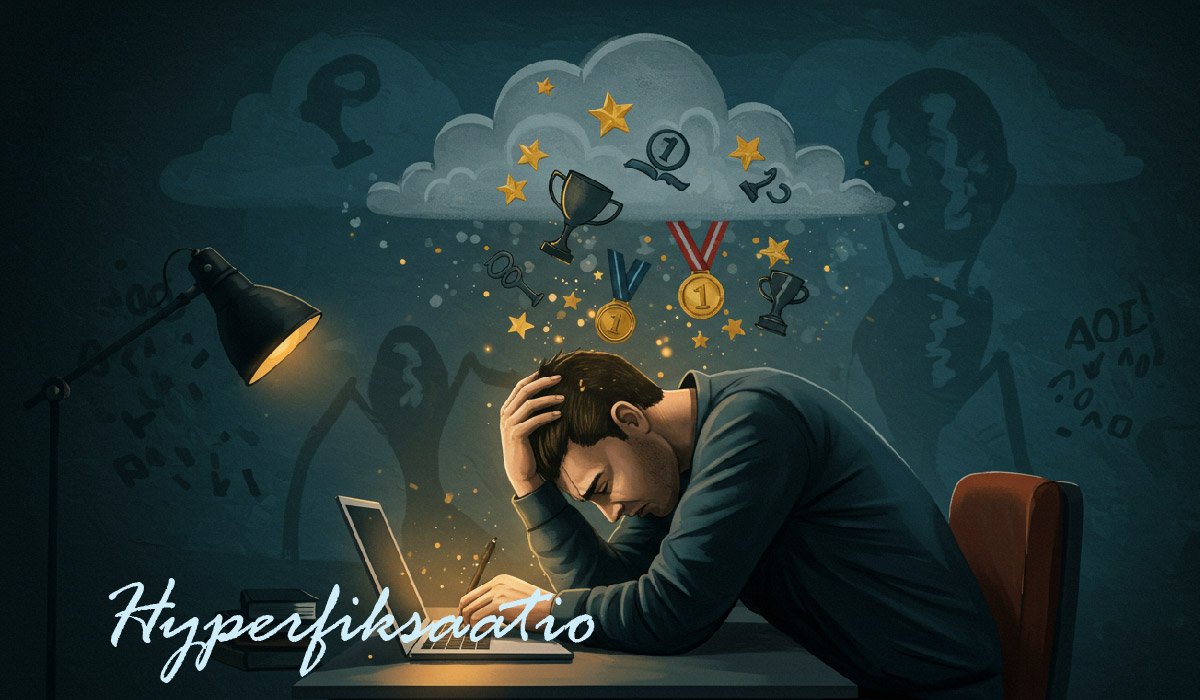
Hyperfiksaatio is a Finnish term that translates directly to “hyperfixation” in English, and it describes a powerful and often overwhelming mental state in which a person becomes deeply immersed in a single activity, idea, or interest for extended periods. This isn’t mere concentration or enthusiasm—it’s an intense psychological experience that takes over a person’s attention, often making them lose track of time, skip meals, and overlook responsibilities.
It’s like being mentally locked into a tunnel with just one focal point. Hyperfiksaatio is particularly relevant in discussions around neurodiversity because it is most commonly experienced by individuals with Attention-Deficit/Hyperactivity Disorder (ADHD) or Autism Spectrum Disorder (ASD). However, it is not limited to these populations—many neurotypical individuals may also encounter episodes of hyperfixation during times of emotional stress or while engaging in highly stimulating or comforting activities.
Understanding this phenomenon is essential, as it not only highlights the workings of the brain’s attention systems but also explains how such focused behavior can simultaneously be a strength and a challenge in daily life.
What Does Hyperfiksaatio Really Mean?
Hyperfiksaatio refers to a mental condition where a person is overwhelmingly focused on a specific subject, hobby, or task, often to the exclusion of everything else. Unlike simple interest or passion, hyperfiksaatio involves an all-consuming mental state where the object of fixation dominates thoughts, actions, and time. Imagine someone who spends weeks obsessing over a historical topic, learning every detail, watching documentaries, and reading forums, even at the cost of sleep and social interaction. Or consider a gamer who skips meals and ignores work deadlines because they’re fixated on a new game release. These are not exaggerations—they are real-life examples of hyperfiksaatio.
The experience differs from normal focus due to its intensity, duration, and often involuntary nature. It grips the mind tightly, and for those caught in it, letting go or switching tasks becomes extremely difficult. Though hyperfiksaatio is commonly observed in individuals with ADHD or autism, it is also experienced by neurotypical people who find themselves deeply attached to emotionally satisfying or intellectually stimulating topics.
Key Features and Behavioral Signs of Hyperfiksaatio
Identifying hyperfiksaatio involves recognizing certain behavioral patterns that go beyond average focus or interest. People in a state of hyperfiksaatio often show an emotional connection to the activity—they feel joy, comfort, or even relief while immersed in it. Complete immersion is a major sign, where the person becomes unaware of time, surroundings, and physical needs such as hunger or sleep. They may forget important responsibilities like work, school assignments, or household chores.
Another noticeable symptom is the inability to shift attention. Even if they are aware that other tasks are urgent, their brain feels stuck. Social withdrawal is also common, as hyperfiksaatio may lead people to avoid social interactions that pull them away from their interest. These patterns, while potentially helpful for learning and creativity, can also disrupt life significantly if not managed properly. The signs below offer a quick checklist:
-
Intense emotional pull toward a topic
-
Hours lost in a single activity
-
Neglect of basic needs
-
Frustration when interrupted
-
Difficulty shifting focus
-
Withdrawal from social or routine activities
The Psychology Behind Hyperfiksaatio
From a psychological standpoint, hyperfiksaatio is intricately linked to how the brain processes motivation, pleasure, and focus—particularly through the reward chemical dopamine. Dopamine plays a critical role in encouraging people to pursue rewarding experiences. In neurotypical individuals, dopamine is released in a balanced way, making it easier to move from one task to another while staying motivated. However, in people with ADHD or autism, this regulation can be disrupted.
For those with ADHD, baseline dopamine levels are often lower, making routine tasks feel dull and unrewarding. When something does spike dopamine—such as a new, exciting interest—the brain clings to it like a lifeline, flooding the person with motivation and energy.
This creates a loop where the individual wants to stay engaged, even to the detriment of everything else. In autism, the connection to dopamine is slightly different. Many individuals develop “special interests” which provide emotional security, predictability, and a deep sense of purpose. The brain rewards focus on these interests by reducing anxiety and offering a comforting routine. Thus, whether it’s ADHD-driven novelty-seeking or autism-driven deep interest, the common link is a dopamine feedback loop that reinforces prolonged, intense focus.
What Triggers Hyperfiksaatio? The Root Causes
The causes of hyperfiksaatio are both biological and environmental, influenced by how the brain is wired and how the person interacts with the world. Biologically, irregular dopamine regulation is a key contributor. In ADHD, the brain constantly seeks stimulation due to underactive dopamine pathways, which leads to powerful responses to novel, exciting topics. In autism, the brain often seeks structured, meaningful engagement, turning specific interests into long-term fixations.
Psychologically, hyperfiksaatio may also serve as a coping mechanism. People often turn to their fixations to escape stress, discomfort, or emotional instability. The fixation offers comfort, control, and predictability—something the person can master when the rest of life feels overwhelming.
Environmental triggers like stress, life changes, lack of structure, or even boredom can also fuel hyperfiksaatio. For example, someone going through a breakup might hyperfixate on a TV show or hobby to numb the pain. Hyperfiksaatio is often not a conscious choice but a natural psychological response to stimulation, emotion, and brain chemistry working together.
Comparing Hyperfiksaatio, Hyperfocus, and Flow State
While the terms hyperfiksaatio, hyperfocus, and flow state are often confused or used interchangeably, they refer to distinct mental experiences. Hyperfiksaatio is interest-based and can last for weeks or months, often disrupting routines. Hyperfocus is task-based and usually short-term, lasting a few hours, and may be productive or chaotic. Flow state, made famous by psychologist Mihaly Csikszentmihalyi, is a balanced mental state where a person is fully immersed in a task that is both challenging and rewarding. In flow, time passes quickly, but the person maintains bodily awareness and life balance. Here’s a table for clarity:
| Feature | Hyperfiksaatio | Hyperfocus | Flow State |
|---|---|---|---|
| Duration | Long-term (days to months) | Short bursts (hours) | Temporary (1–2 hrs typically) |
| Trigger | Strong emotional interest | Engaging task | Challenging activity |
| Disruption | High (to life & routine) | Moderate | Low |
| Example | Obsessing over aviation facts | Cleaning non-stop for 6 hrs | Writing code in perfect rhythm |
Everyday Examples of Hyperfiksaatio in Real Life
Hyperfiksaatio often appears in ordinary, relatable ways. A university student might spend three straight days researching medieval history, forgetting meals, skipping classes, and losing sleep—not because it’s assigned work, but because the topic sparks deep interest. A painter might become completely absorbed in their latest piece, barely sleeping or eating, driven by the urge to perfect every detail.
Gamers are another common example; some might play for 18 hours straight after a new game release, ignoring phone calls and meals. There are also professionals who become so fixated on mastering a new skill—like coding, animation, or marketing strategy—that they sacrifice personal care and relationships. These stories highlight both the beauty and the danger of hyperfiksaatio: while the results can be impressive, the cost can be high if unchecked.
The Upside: Benefits of Hyper fiksaatio
Despite its challenges, hyperfiksaatio holds powerful advantages, especially when aligned with a person’s passions or career. One major benefit is accelerated skill acquisition. A person hyperfixated on learning a musical instrument, a language, or a software program can achieve impressive progress in a short time. This state of intense engagement promotes deeper learning and long-term retention of knowledge. Creativity also thrives during hyperfiksaatio.
Artists, developers, scientists, and writers often produce breakthrough work while in this focused state. Entrepreneurs, for instance, may use their fixation on business strategies to build a startup from scratch with extreme dedication. Additionally, hyperfiksaatio fosters problem-solving abilities because the person dives deep into understanding every aspect of the subject. The brain works in layers, making connections others might miss. When channeled into productive goals, hyperfiksaatio can become a superpower—one that fuels passion, achievement, and even innovation.
The Hidden Costs and Risks of Hyper fiksaatio
Despite its strengths, hyperfiksaatio can also become a serious obstacle. Prolonged periods of fixation can cause neglect of essential self-care, such as eating, sleeping, or moving. Individuals may forget to drink water or spend hours in the same posture, which affects both physical and mental health. Routine responsibilities are also often ignored, leading to academic decline, missed deadlines, or workplace consequences. Relationships can suffer as hyperfiksaatio creates emotional distance.
A loved one may feel ignored or misunderstood because the person seems mentally elsewhere. Over time, emotional guilt builds up, especially when the individual realizes how much they’ve missed out or neglected. Hyperfiksaatio also creates a burnout cycle—intense activity followed by mental or physical collapse. What started as a joy becomes exhausting. That’s why managing this mental state with balance is not just helpful—it’s essential for long-term well-being.
How Hyperfiksaatio Shows Up Differently in ADHD and Autism
In ADHD, hyperfiksaatio is often short-lived but intense. The brain craves stimulation, so once an interest delivers a dopamine hit, the person dives in, often switching interests once novelty fades. This means many ADHD individuals cycle through fixations—today it’s chess, next month it’s urban planning. In autism, the fixations tend to be deeper, longer-lasting, and more structured. Autistic individuals often have “special interests” that they stick with for years or even a lifetime.
These interests provide comfort, identity, and mastery. While ADHD-driven hyperfiksaatio often appears chaotic or spontaneous, autism-linked fixations are more methodical and routine-based. Both, however, result in extreme focus and dedication. The difference lies in the pattern, motivation, and stability of the fixation. Reputable organizations like the CDC and the National Institute of Mental Health have highlighted these patterns in neurodivergent profiles, helping therapists and educators better support individuals experiencing hyperfiksaatio.
How to Know You’re in a Hyperfiksaatio State
Self-awareness is key. Ask yourself reflective questions: Have I skipped meals or lost sleep recently because I was too focused on something? Has this topic or activity consumed more than six hours of my day, repeatedly? Do I feel frustrated or anxious when asked to stop or take a break? Have I ignored messages, work emails, or chores for this fixation? If you answer “yes” to most of these, you might be experiencing hyperfiksaatio. Recognition is the first step toward healthy management. You don’t need to stop being passionate—but you do need to make sure your passion doesn’t override your life.
How to Manage Hyper fiksaatio Without Losing Its Power
The goal isn’t to get rid of hyperfiksaatio but to make it work for you, not against you. Start by setting clear time limits. Use timers or apps like Forest or Pomofocus to break work into intervals. Visual task lists help you remember daily responsibilities outside your fixation. Schedule breaks—even if short—to eat, hydrate, and stretch. Linking essential tasks with your fixation also helps; for example, listen to related podcasts while exercising.
Journaling is another effective strategy—track your fixations, energy levels, and missed routines. Over time, patterns will emerge, making it easier to adjust. Accountability also helps. Ask a friend or family member to check in or remind you to take a break. By integrating your fixation into a well-structured day, you preserve its benefits while avoiding burnout and damage to other areas of life.
When Hyper fiksaatio Becomes Harmful: Seeking Support
If hyperfiksaatio causes serious disruptions—missed job deadlines, academic failure, physical exhaustion, or relationship breakdowns—it’s time to seek help. Cognitive Behavioral Therapy (CBT), executive function coaching, and even ADHD-specific medication (if diagnosed) can provide tools to regulate attention and build healthier routines.
If you think you may have undiagnosed ADHD or autism, consult a licensed psychologist or psychiatrist. Organizations like CHADD, ADDitude Magazine, and NIMH provide trusted resources, therapist directories, and support forums. Seeking professional guidance isn’t a weakness—it’s a step toward using your brain’s strength without sacrificing your quality of life.
Conclusion
Hyperfiksaatio is a powerful mental state that can lead to both incredible achievements and major life disruptions. At its best, it allows individuals to dive deeply into their passions and build knowledge, skills, and creativity that few can match. But when unmanaged, it can also lead to exhaustion, isolation, and imbalance. The key lies in awareness and structured strategy. Learn to recognize the signs.
Use tools that work for your brain, not against it. Embrace what makes your mind unique—and with the right systems, hyperfiksaatio can become a superpower instead of a stumbling block. If this resonated with you, explore more mental health and neurodiversity topics on our blog and continue your journey of self-understanding.
FAQs About Hyperfiksaatio
1: What is Hyperfiksaatio?
Hyperfiksaatio is a Finnish word that means “hyperfixation” in English. It describes a very intense focus on one interest, activity, or topic for a long time. People experiencing hyperfiksaatio may lose track of time, skip meals, and find it hard to think about anything else.
2: Is Hyperfiksaatio only linked to ADHD or autism?
No. Hyperfiksaatio is common in people with ADHD and autism because of how their brains handle focus and reward, but anyone can experience it. Even neurotypical people may go through hyperfiksaatio when they are very interested or stressed.
3: How long can Hyperfiksaatio last?
The length of hyperfiksaatio varies from person to person. It can last for a few hours, several days, or even weeks, depending on how strong the interest is and how the brain reacts to it.
4: What are the signs of Hyperfiksaatio?
Signs include losing track of time, forgetting to eat or sleep, feeling a strong emotional pull toward one topic, ignoring other tasks, and having trouble stopping or switching to something else even when needed.
5: How can Hyperfiksaatio be managed?
Hyperfiksaatio can be managed by setting alarms, creating a daily schedule, taking short breaks, practicing mindfulness, and asking friends or family to remind you about meals or responsibilities. These steps help keep balance without losing the positive sides of hyperfiksaatio.
You May Read Also: Viltnemnda Explained: Powerful Local Wildlife Protection in Norway
For More Information, Visit Dotmagazine