Aging is a part of life, bringing wisdom and cherished memories, but it also introduces new challenges, especially when it comes to health and safety.
Whether they can live independently or not is not the major issue for many seniors, but rather whether they will be safe in the event of an emergency. Any accident at home, even a sudden health condition or a slip/fall, can turn into a life-threatening situation in a matter of minutes unless a person is assisted.
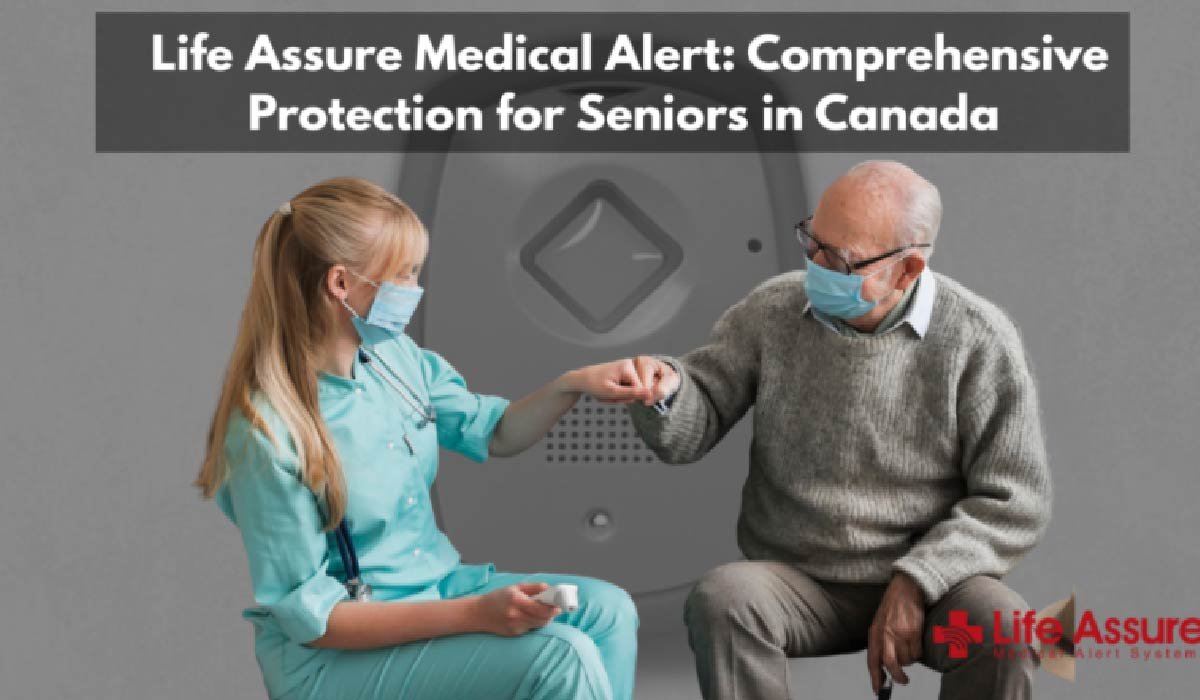
This is the reason why medical alert systems have gained a reputation for reliable protection among older adults in Canada. The Life Assure medical alert system is one of the most popular options, designed to provide seniors with around-the-clock emergency care.
These systems enable older Canadians to live their lives because they ensure that help is only a button press away, providing some relief to their families. To understand how this protection works and why it is so essential, let us discuss the features and advantages of the Life Assure medical alert.
Why Emergency Support Matters
Emergencies do not come with warnings. A senior may experience dizziness while walking, lose balance in the bathroom or have chest pain in the middle of the night. The fact that trained professionals can be contacted in seconds can make a difference in those life-or-death situations.
Most older people are living alone or spending a considerable part of their time without immediate supervision. Even regular check-ins by family members are not always possible, as unforeseen circumstances can arise.
The Life Assure medical alert system fills this gap by immediately linking seniors with a monitoring center. The service is available 24/7, and customers can call the office to receive assurance that a professional will attend to their call at any time of day.
It provides reassurance to families as well, who might be anxious about the safety of their loved ones.
Key Features That Support Independence

The advantage of a medical alert system is that it is practical. The best ones are seniors-friendly, which is safe yet simple.
Some of the most useful features are:
- Water resistance, which enables the device to be used even during showers, which is one of the most frequent places of falls.
- Fall detection, where the automatic system will notify the healthcare professionals, even when they cannot press the button.
- Battery power backup ensures the device remains operational even during power outages.
- Two-way communication enables the seniors to communicate efficiently with trained professionals using the base unit.
- Mobile coverage ensures a cellular and GPS-based form of protection in the home and the outdoors.
These characteristics enable seniors to continue with their daily routines with the certainty of knowing they will never really be alone in case of an emergency.
Meeting the Needs of Canadian Seniors
The unique challenges make medical alert systems even more necessary in Canada. In rural areas, one often faces increased emergency response time and icy sidewalks in winter, which significantly increase the chances of falls.
A nationwide coverage system helps ensure that, regardless of where the senior citizen resides, help can still be reached. To people who live alone, particularly in small or remote towns, a direct connection with a trained professional provides an added security that can’t be achieved through phone calls or occasional visits.
Benefits for Families and Caregivers

Medical alert systems are not just concerned with the safety of seniors; they also help families. The peace of mind they bring to their loved ones cannot be overstated.
Families no longer need to worry and make numerous check-in calls. Rather, they can spend time together and enjoy quality time, knowing that help is always available.
The benefits extend to caregivers, too:
- Less stress, knowing their loved one has the support of a professional monitoring team.
- More freedom, as they do not necessarily need to be physically present all the time.
- The trust that emergencies would be managed quickly and efficiently, even when they are not nearby.
Balancing Cost and Value
The cost is a factor of consideration when selecting a medical alert service. However, when weighed against the potential costs that could be incurred from a medical crisis resulting in hospitalization, rehabilitation, or assisted living, the monthly cost of an alert system is quite low.
Some services also offer trial periods, allowing families to test the system and assess whether it meets their needs before committing. Pricing transparency, zero additional charges, and no contractual obligation are essential aspects to consider.
Everyday Scenarios Where It Helps

The value of a medical alert system is evident in real-life scenarios.
A senior citizen who slips in the bathroom can press the button and be connected to help instantly, rather than lying on the floor, waiting hours for assistance. A person feeling weak while out for a walk can call the mobile unit and send their location to responders via GPS.
In less serious situations, like feeling ill, consulting a professional helps avoid problems from escalating.
Bottomline
Living alone should not come at the cost of safety for seniors across Canada. A medical alert system provides a safety net that enables elderly people to live independently and ensures they can always have help.
These devices come with various features, including fall detection, water resistance, nationwide monitoring and easy operation, making them not just tools, but lifelines. As a family, it is the peace of mind to know that your loved one is safe.
And to older people, it is the ability to navigate each day with ease, knowing that they are never truly alone, regardless of what may happen.