Roman Blinds: A Complete Guide to Style, Function, and Choosing the Right Design

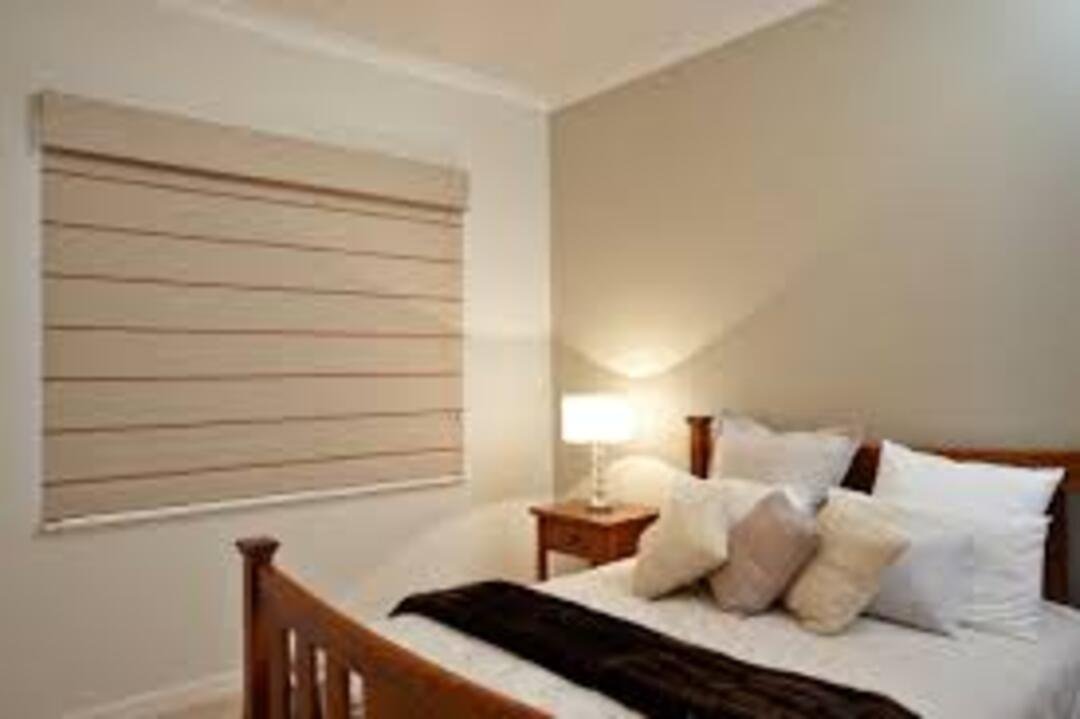
Roman blinds are one of the most versatile window treatments in modern interiors. They combine the softness of curtains with the practicality of blinds. The result is a window covering that delivers both elegance and function.
Interior designers regularly choose Roman blinds for living rooms, bedrooms, kitchens, and offices. Their clean folds create a structured appearance when raised. When lowered, they present a smooth fabric panel that frames the window neatly.
Homeowners looking for a balance between privacy, light control, and decorative appeal often select Roman Blinds as a practical solution. Their adaptability allows them to complement both traditional and contemporary spaces.
This guide explains how Roman blinds work, their key advantages, popular styles, fabric options, and practical tips for choosing the right design.
TL;DR
- Roman blinds fold into neat horizontal pleats when raised.
- They combine the softness of curtains with the functionality of blinds.
- Fabric choice affects light control, insulation, and privacy.
- Popular styles include flat, relaxed, and hobbled Roman blinds.
- Roman blinds suit living rooms, bedrooms, kitchens, and offices.
What Are Roman Blinds?
Roman blinds are fabric window coverings that fold upward into horizontal pleats when raised. A cord or chain mechanism controls the movement.
Unlike roller blinds, Roman blinds create layered folds when lifted. These folds add texture and depth to the window.
“Roman blinds provide structured fabric folds that create a clean, tailored window appearance.”
Their design dates back to ancient Rome. Historical accounts suggest Romans used damp cloth panels to block dust from entering their homes through open windows.
Modern Roman blinds use improved mechanisms and durable fabrics. They provide reliable light control and decorative flexibility.
How Roman Blinds Work
Roman blinds operate using a simple lifting system that runs through rings or channels sewn into the back of the fabric.
When the blind is raised, cords pull the fabric upward and form horizontal folds.
Basic components
A standard Roman blind includes:
- Fabric panel
- Horizontal rods or battens
- Cord system
- Headrail mechanism
- Pull chain or motorised control
Step-by-step operation
- The user pulls a chain or cord.
- The headrail mechanism lifts the cords evenly.
- Fabric folds stack neatly from bottom to top.
- Releasing the cord locks the blind in place.
Motorised Roman blinds follow the same principle but use an electric motor for movement.
Benefits of Roman Blinds
Roman blinds remain popular due to their combination of design flexibility and practicality.
1. Clean, tailored appearance
Roman blinds create a structured look. The smooth front panel provides a refined finish when lowered.
2. Versatile design options
They work in both traditional and contemporary interiors.
Patterned fabrics can become a focal point in the room.
3. Effective light control
Different fabric weights allow different levels of light filtration.
Examples include:
- sheer fabrics for soft daylight
- medium fabrics for balanced lighting
- blackout fabrics for complete darkness
4. Improved insulation
Fabric blinds provide an additional thermal barrier over windows.
The UK Energy Saving Trust notes that window coverings can reduce heat loss and improve insulation in homes (Energy Saving Trust, 2024).
5. Space-saving design
Roman blinds sit close to the window frame. This makes them ideal for smaller rooms or shallow window recesses.
Types of Roman Blinds
Several Roman blind styles exist. Each creates a slightly different visual effect.
Flat Roman Blinds
Flat Roman blinds have a smooth fabric surface when lowered.
They are ideal for patterned fabrics since the design remains uninterrupted.
Flat Roman blinds suit minimalist and contemporary interiors.
Relaxed Roman Blinds
Relaxed Roman blinds form a gentle curve at the bottom edge.
The style feels softer and less structured than the flat version.
They are often used in casual living rooms or cottage-style interiors.
Hobbled Roman Blinds
Hobbled Roman blinds create cascading folds even when fully lowered.
The fabric layers remain visible at all times.
This style adds volume and texture to the window.
Choosing the Right Fabric for Roman Blinds
Fabric selection determines how Roman blinds perform.
Different materials affect light control, privacy, and durability.
Cotton
Cotton remains one of the most common Roman blind fabrics.
Benefits include:
- breathable material
- easy maintenance
- wide range of patterns
Linen
Linen provides a natural texture.
It works well in Scandinavian or relaxed interior designs.
Polyester blends
Polyester blends offer durability and stain resistance.
They are often used in kitchens or high-traffic rooms.
Blackout fabrics
Blackout lining blocks light completely.
This option suits bedrooms, nurseries, and media rooms.
“Blackout Roman blinds can block nearly all external light when installed correctly.”
Where Roman Blinds Work Best in the Home
Roman blinds suit many different rooms.
Living rooms
They add softness and visual interest to large windows.
Patterned fabrics can act as a design statement.
Bedrooms
Blackout Roman blinds support better sleep by reducing outside light.
Kitchens
Moisture-resistant fabrics work well near sinks or cooking areas.
Roman blinds also take up less space than curtains in smaller kitchens.
Home offices
Roman blinds reduce glare while allowing natural light.
This improves comfort when working on screens.
Roman Blinds vs Roller Blinds
Both options control light and privacy, but they differ in appearance and structure.
| Feature | Roman Blinds | Roller Blinds |
| Fabric appearance | Structured folds | Flat panel |
| Style impact | Decorative | Minimalist |
| Fabric flexibility | High | Moderate |
| Maintenance | Moderate | Easy |
Key takeaway: Roman blinds prioritise style. Roller blinds prioritise simplicity.
Measuring Windows for Roman Blinds
Correct measurements ensure a clean fit and smooth operation.
Step-by-step measuring guide
- Measure the width of the window recess.
- Measure the drop from the top of the recess to the sill.
- Check measurements in three places to confirm accuracy.
- Use the smallest measurement when ordering.
Outside-recess installation requires adding extra width for coverage.
Professional suppliers often provide measuring guides to ensure accuracy.
Motorised Roman Blinds: A Growing Trend
Motorisation is becoming increasingly common in modern window treatments.
Motorised Roman blinds use a small electric motor integrated into the headrail.
Advantages include:
- remote control operation
- smart home integration
- improved child safety
- precise positioning
Smart blinds can connect to home automation systems and operate on schedules.
Maintenance and Cleaning
Roman blinds require occasional cleaning to maintain their appearance.
Routine care
- Dust with a soft brush or vacuum attachment.
- Spot clean stains with mild detergent.
- Avoid soaking the mechanism.
Deep cleaning
Some Roman blinds allow the fabric panel to detach for washing.
Professional cleaning may be recommended for delicate fabrics.
Regular maintenance extends the lifespan of the blind and preserves fabric quality.
Internal Linking Opportunities for dotmagazine.co.uk
To strengthen topical authority, consider linking this article to related content such as:
- “Best Window Treatments for Modern Homes”
- “Curtains vs Blinds: Which Is Better?”
- “How to Choose Window Coverings for Small Rooms”
- “Interior Design Trends for Window Treatments”
These links help build a window-treatment topic cluster.
FAQ: Roman Blinds
What are Roman blinds used for?
Roman blinds control light and provide privacy. They also act as decorative window features.
They combine practical function with fabric-based design.
Are Roman blinds suitable for every room?
Yes. Roman blinds work in bedrooms, living rooms, kitchens, and offices.
Fabric selection should match the room’s lighting and moisture conditions.
Do Roman blinds block light completely?
Standard Roman blinds filter light. Blackout-lined Roman blinds block nearly all light.
This makes them ideal for bedrooms.
Are Roman blinds easy to maintain?
Most Roman blinds require simple dusting and occasional spot cleaning.
Removable fabric panels make deeper cleaning easier.
Are Roman blinds energy efficient?
Fabric window coverings add an insulation layer.
This can help reduce heat loss through windows.
Conclusion
Roman blinds offer a balance of elegance and functionality that few window treatments match.
Their structured folds create a refined visual effect. Their fabric flexibility allows complete customisation of colour, texture, and light control.
From contemporary apartments to traditional homes, Roman blinds adapt to nearly any interior style.
Homeowners seeking a practical and stylish window solution often choose Roman Blinds for their versatility and timeless appeal.
Explore premium designs and fabric options by visiting
https://www.britishmadeinteriors.com/roman-blinds
The right Roman blind can transform a window from a simple opening into a defining feature of the room.