

What Is “The Gugg”?
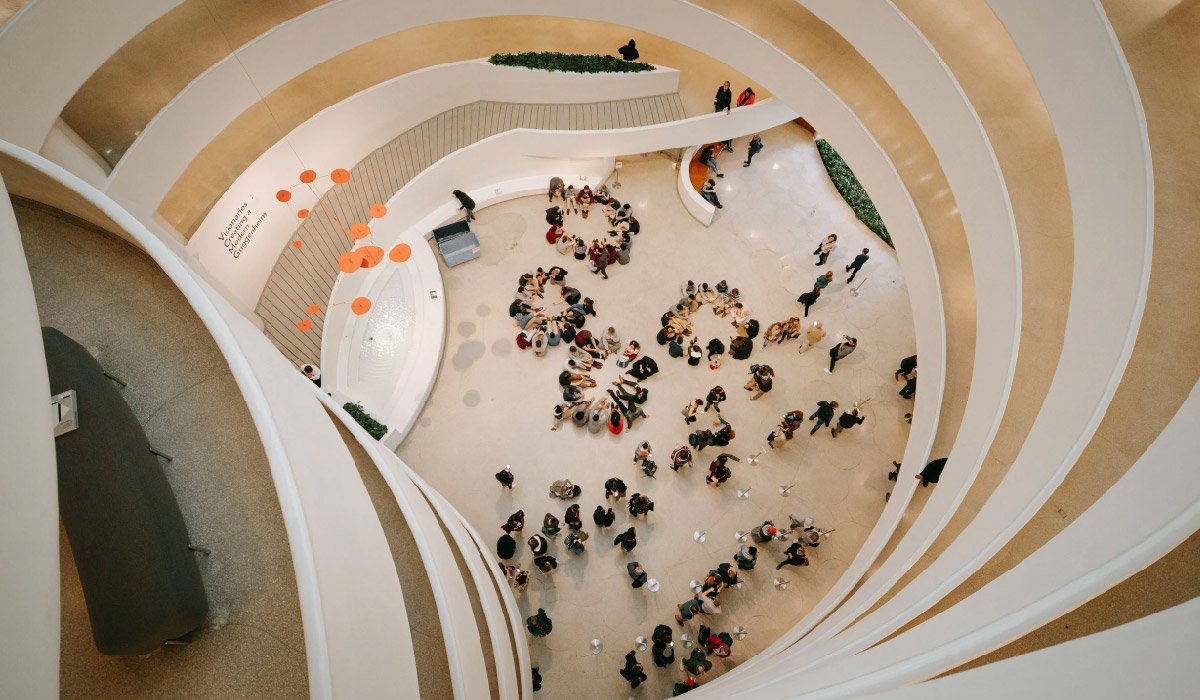
When people talk about “The Gugg,” they’re usually referring to the iconic Solomon R. Guggenheim Museum in New York City, but the name has grown into much more than that. “The Gugg” has become a cultural shorthand—a catchy, modern nickname that reflects not only the museum’s architectural uniqueness but also its powerful presence in the global art world. The term is now widely used in travel blogs, social media captions, and even in television references, solidifying its place as a contemporary buzzword. But it’s not just a nickname; “The Gugg” represents an experience. It’s an architectural marvel, a showcase for some of the world’s most thought-provoking exhibitions, and a hub for innovation, education, and global connectivity in the arts. Whether you’re an art connoisseur or a first-time visitor, the term “The Gugg” instantly conjures up images of creativity, bold design, and intellectual engagement.
The Institution Behind The Gugg – The Guggenheim Foundation
The Solomon R. Guggenheim Foundation, established in 1937, is the driving force behind “The Gugg” and all of its global branches. Its mission has always been to promote the appreciation and understanding of modern and contemporary art through groundbreaking exhibitions, education programs, and architectural innovation. The foundation operates several museums worldwide, each with its own unique focus but unified by a commitment to visual excellence and cultural dialogue.
While the New York museum is the flagship, the foundation’s influence spans continents, helping to build bridges between communities through art. Over the years, “The Gugg” has come to represent the spirit of the entire foundation—a dynamic, forward-thinking institution with global reach and a passion for shaping the future of art and education.
The Birth of The Gugg – From Vision to Reality
The story of “The Gugg” began with Solomon R. Guggenheim, an industrialist who turned his attention to collecting non-objective art in the 1920s. His advisor, artist Hilla von Rebay, was instrumental in guiding his artistic tastes and pushing him to consider the social and cultural power of abstract art. Together, they laid the groundwork for what would eventually become the Museum of Non-Objective Painting in 1939, the predecessor of today’s Guggenheim Museum.
But it wasn’t just about collecting art—it was about presenting it in a new way. In 1943, Guggenheim commissioned the legendary architect Frank Lloyd Wright to design a building that would break away from the conventional boxy structure of galleries. Wright’s revolutionary design took over 16 years to complete, and when the building finally opened in 1959—after Guggenheim had passed away—it was met with both criticism and awe. Today, the very structure that once polarized critics stands as one of the most celebrated and recognizable buildings in the world.
Inside The Gugg – Architectural Wonder
Walking into “The Gugg” is like stepping into a piece of living art. Frank Lloyd Wright’s signature design is a spiral ramp that wraps around a central atrium, encouraging a continuous, flowing movement through the exhibition space. This organic, nautilus-inspired structure defies traditional museum layouts and allows art to be experienced in a more immersive and narrative fashion. Rather than compartmentalizing works into separate rooms, the ramp lets visitors move fluidly from one piece to another, creating a visual rhythm that enhances both the art and the space.
Natural light pours in from the domed skylight above, adding to the serene and contemplative environment. Every element of the design—from its curves to its openness—was created to enhance the viewer’s relationship with the art. Over the years, this innovative architectural approach has influenced the design of other cultural institutions around the world and earned The Gugg a spot as a UNESCO World Heritage site in 2019.
The Gugg Goes Global – The Expanding Legacy
While the New York museum is the spiritual home of “The Gugg,” its influence extends across the globe through the efforts of the Guggenheim Foundation. In 1997, the opening of the Guggenheim Museum Bilbao in Spain marked a turning point in urban development through art and architecture. Designed by Frank Gehry, this titanium-clad masterpiece helped revitalize Bilbao’s economy and gave birth to the term “Bilbao Effect”—a phenomenon where iconic cultural landmarks drive economic and social transformation.
In Venice, the Peggy Guggenheim Collection offers a more intimate but equally impactful experience, showcasing European and American modern art in the former home of Peggy Guggenheim herself. The upcoming Guggenheim Abu Dhabi, also designed by Gehry, is poised to connect Middle Eastern and global contemporary art narratives. Other past and proposed branches, such as the now-closed Guggenheim Hermitage Museum in Las Vegas and the canceled Guggenheim Helsinki project, reflect the Foundation’s bold experimentation with geography and audience. Together, these branches make “The Gugg” not just a place but a global movement.
Curatorial Powerhouse – What Makes The Gugg’s Art Unique
One of the reasons “The Gugg” stands out is its curatorial vision, which balances historic masterpieces with provocative contemporary works. The museum’s permanent collection includes the renowned Thannhauser Collection, featuring works by Monet, Cézanne, Van Gogh, and Picasso. Solomon Guggenheim’s original focus on abstract art remains a central theme, but the museum also showcases a wide array of modern and contemporary pieces from around the world.
Past blockbuster exhibitions have included groundbreaking retrospectives of Hilma af Klint, Vasily Kandinsky, and Ai Weiwei, as well as futuristic presentations of digital, immersive, and performance art. The Gugg is especially known for pushing the envelope with interactive installations that challenge the boundaries between viewer and artwork. Through curatorial excellence, the museum continues to lead the conversation on how art can reflect, critique, and influence contemporary life.
The Gugg as a Cultural Movement
Beyond the walls of the museum, “The Gugg” has evolved into a cultural phenomenon. For many, visiting the museum is more than just a trip—it’s a rite of passage, a moment of personal and artistic awakening. The building’s instantly recognizable silhouette has made it a symbol of high culture, and its presence in pop culture has only enhanced its mystique.
From its feature in blockbuster films like Men in Black and TV shows like Sex and the City, to its role in fashion shoots and music videos, “The Gugg” has entered the collective consciousness as an aesthetic and intellectual icon. Its sleek ramp and futuristic design have made it a favorite backdrop for influencers and photographers alike. In an age of visual storytelling, The Gugg offers more than just exhibits—it offers a lifestyle, a creative identity, and a shared space for imagination.
Digital Gugg – Engaging the World Online
Recognizing the importance of digital access in the modern world, The Gugg has expanded its reach through a range of online initiatives. Its website features virtual tours, high-resolution image galleries, and in-depth articles about current and past exhibitions. Collaborations with platforms like Google Arts & Culture allow users around the world to explore the museum’s treasures without ever setting foot in New York.
During the COVID-19 pandemic, The Gugg was quick to adapt by offering digital exhibitions, live-streamed artist talks, and educational webinars for children and adults. Programs like “Learning Through Art” bring professional artists into public school classrooms, bridging the gap between formal education and creative exploration. On social media, the museum maintains an active presence, sharing behind-the-scenes content, curator insights, and interactive features that encourage public participation. Through these efforts, The Gugg continues to redefine what it means to be a museum in the 21st century.
The Philanthropy Behind The Gugg
Philanthropy has always played a crucial role in the success of The Gugg. From Solomon Guggenheim’s original endowment to contemporary foundations like the Huo Family Foundation, private support has been essential in sustaining exhibitions, educational programs, and digital innovations. Donor contributions enable the museum to keep admission costs accessible, especially through pay-what-you-wish evenings and free education for underserved communities.
The annual Guggenheim International Gala brings together celebrities, artists, and benefactors in a glamorous event that supports global initiatives. Partnerships with luxury brands such as Dior and BMW help fund new acquisitions, research projects, and cultural exchanges. These philanthropic efforts ensure that The Gugg remains at the forefront of the international art scene, empowering artists and enriching audiences around the world.
Visiting The Gugg – A First-Timer’s Experience
If you’re planning to visit The Gugg, there’s much more to enjoy than just a day of gallery-hopping. Located at 1071 Fifth Avenue in New York City, the museum is easily accessible and typically open from 10 AM to 5:30 PM (closed on Thursdays). Tickets are affordably priced at $25 for adults, with discounts available for students and seniors—and best of all, Saturday evenings from 4 to 6 PM are “pay-what-you-wish.” First-time visitors should make a point of seeing the Thannhauser Gallery and any special exhibitions on view.
Don’t forget to stop by the gift shop for design-forward souvenirs and the café for a quick espresso or bite. For the full experience, take the elevator to the top and follow the spiral ramp downward—that’s how Frank Lloyd Wright intended you to see the art. The museum is fully wheelchair accessible and offers multilingual guides to ensure all guests feel welcome and included.
Criticism and Controversy – A Balanced Perspective
While widely praised, The Gugg has not been without its critics. Some art historians argue that the museum’s spiral architecture can make it difficult to view certain works as intended, particularly traditional paintings that require a flat, eye-level perspective. Others argue that the unique structure forces viewers to engage with art in new and meaningful ways, creating a more holistic experience.
Ethical concerns have also been raised about global expansion projects, with debates around cultural imperialism and the commercialization of heritage sites. Labor disputes, equity issues, and challenges around representation have also surfaced, prompting the Foundation to reassess its internal policies and community engagement. To its credit, The Gugg has taken steps to address these criticisms, implementing reforms and launching inclusivity-focused initiatives.
The Gugg’s Future – What Comes Next
As we move into a more digital, interconnected, and environmentally-conscious era, The Gugg is evolving in exciting ways. The museum is exploring new frontiers in art, including AI-generated works, NFT exhibitions, and interactive installations that blend the physical and digital worlds. Upcoming collaborations aim to include underrepresented voices from Africa, Latin America, and Indigenous communities, broadening the museum’s global narrative.
Sustainability is also a growing priority, with the museum investing in green technology, energy-efficient lighting, and ethical materials. The Guggenheim Abu Dhabi, once complete, will mark a bold step toward engaging new audiences and reshaping the global art dialogue. Whether in the form of virtual tours, eco-friendly architecture, or inclusive storytelling, the future of The Gugg promises to be as dynamic and groundbreaking as its past.
Final Thoughts
In conclusion, “The Gugg” is far more than a nickname or a museum—it is a living symbol of human creativity, cultural dialogue, and visionary thinking. From its radical architectural origins to its expanding global footprint, The Gugg remains a beacon of innovation in a world that often struggles to balance tradition with progress. It fosters empathy through art, inspires generations through education, and brings people together through shared cultural experiences. Whether you visit in person or explore it online, The Gugg invites you to step into a world where art is not just something to observe—but something to feel, to question, and to live.
FAQs About The Gugg
1: What is “The Gugg”?
The Gugg is a popular nickname for the Solomon R. Guggenheim Museum in New York City.
People use the term to describe the museum’s unique architecture, world‑class modern art exhibitions, and its global cultural influence through the Guggenheim Foundation.
2: Why is The Gugg famous?
The Gugg is famous for its spiral building designed by Frank Lloyd Wright and its collection of modern and contemporary art.
The structure itself is considered a masterpiece, and the museum regularly hosts major exhibitions by leading artists from around the world.
3: Who built The Gugg?
The Gugg was designed by architect Frank Lloyd Wright and opened in 1959.
Solomon R. Guggenheim commissioned the project to create a new kind of museum experience focused on modern art.
4: What can visitors see at The Gugg?
Visitors at The Gugg can see rotating modern art exhibitions, the Thannhauser Collection, and immersive contemporary installations.
The museum also features educational programs, events, and a famous spiral walkway that enhances the viewing experience.
5: Is The Gugg only in New York?
No. The Gugg also refers to the global network of Guggenheim museums, including branches in Bilbao, Venice, and the upcoming Guggenheim Abu Dhabi.
Each location offers unique architecture and curated experiences connected through the Guggenheim Foundation.
You May Also Read: Pertadad Breakthrough: The Powerful Concept Transforming Our Future