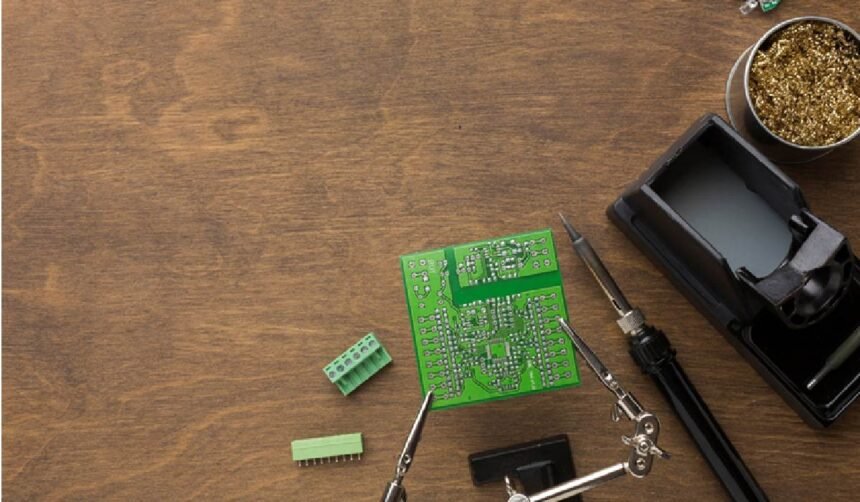
Sustainability is no longer a trend—it is a necessity. As global industries adapt to environmental challenges, electronics manufacturing is undergoing a significant transformation. While innovation and performance remain priorities, manufacturers are increasingly expected to reduce environmental impact and adopt responsible production practices. At the center of this shift lies printed circuit board (PCB) manufacturing.
PCBs are essential to nearly every electronic product, but their production involves materials, chemicals, and energy-intensive processes. As awareness grows, manufacturers are seeking PCB suppliers that align with sustainability goals while maintaining quality and reliability.
This article explores the importance of sustainable PCB manufacturing, how responsible suppliers contribute to environmental goals, and why sustainability is becoming a key factor in supplier selection.
Understanding the Environmental Impact of PCB Manufacturing
PCB manufacturing traditionally involves complex processes such as etching, plating, and chemical treatment. These steps can consume significant resources and generate waste if not carefully managed.
Environmental challenges associated with PCB production include:
- Chemical waste generation
- Water and energy consumption
- Material inefficiencies
- Disposal of manufacturing byproducts
Without responsible management, these factors can negatively impact ecosystems and increase regulatory risks for manufacturers.
Why Sustainability Matters in Modern Electronics
Sustainability is increasingly influencing purchasing decisions, regulations, and brand perception. Electronics companies are under pressure from consumers, partners, and governments to demonstrate environmental responsibility.
Sustainable manufacturing helps companies:
- Reduce environmental footprint
- Meet regulatory requirements
- Strengthen brand reputation
- Support long-term operational resilience
For PCB suppliers, sustainability is not just about compliance—it is about future-proofing their operations.
Sustainable Practices in PCB Manufacturing
Responsible PCB suppliers implement practices that minimize environmental impact without compromising product quality. These practices are often integrated into daily operations and long-term planning.
Common sustainable approaches include:
- Efficient material utilization
- Waste reduction and recycling programs
- Energy-efficient production systems
- Controlled chemical handling processes
By optimizing these areas, suppliers reduce resource consumption and improve overall process efficiency.
Balancing Sustainability with Performance and Reliability
One of the biggest misconceptions about sustainable manufacturing is that it compromises quality. In reality, responsible production often enhances consistency and process control.
Sustainable PCB manufacturing supports:
- Stable production environments
- Improved process discipline
- Reduced defect rates
- Predictable output quality
When sustainability is built into manufacturing systems, it complements performance rather than competing with it.
Supplier Responsibility and Environmental Compliance
Environmental regulations are becoming stricter worldwide. PCB suppliers must comply with standards related to waste management, emissions, and material handling.
Responsible suppliers prioritize compliance by:
- Monitoring environmental performance
- Maintaining clear documentation
- Adapting processes to regulatory changes
This proactive approach reduces risk for manufacturers and ensures uninterrupted production.
Sustainability as a Competitive Advantage
In competitive markets, sustainability can be a differentiator. Manufacturers increasingly prefer suppliers that demonstrate environmental responsibility, as it aligns with their own corporate values and customer expectations.
This is why many electronics companies collaborate with experienced partners like GlobalWell Printed Circuit Board Supplier when they seek a balance between manufacturing excellence and responsible production practices.
Such partnerships support both innovation and environmental stewardship.
Supporting Long-Term Manufacturing Stability
Sustainable manufacturing is closely linked to long-term stability. Efficient resource use and waste reduction help suppliers maintain consistent operations even during market fluctuations or regulatory changes.
Benefits of sustainable PCB manufacturing include:
- Lower operational risk
- Improved cost efficiency over time
- Stronger supplier resilience
- Enhanced long-term reliability
These factors contribute directly to uninterrupted supply chains and predictable production outcomes.
The Role of Transparency in Sustainable Manufacturing
Transparency is essential for building trust in sustainability claims. Manufacturers want clear insight into how suppliers manage environmental responsibilities.
Responsible PCB suppliers provide:
- Clear sustainability policies
- Process transparency
- Compliance documentation
- Ongoing improvement initiatives
This openness allows manufacturers to make informed decisions and demonstrate accountability across their own supply chains.
Aligning Sustainability Goals Across the Supply Chain
Sustainability efforts are most effective when aligned across the entire supply chain. PCB suppliers play a key role in helping manufacturers achieve broader environmental objectives.
By working with sustainability-focused suppliers, manufacturers can:
- Reduce overall product environmental impact
- Support responsible sourcing initiatives
- Strengthen ESG commitments
Collaboration ensures that sustainability is not isolated but integrated into every stage of production.
A Digital Reflection of Responsible Manufacturing
In today’s digital landscape, a supplier’s online presence often reflects their operational values. Platforms such as globalwellpcba.com provide insight into how PCB manufacturers communicate their approach to quality, responsibility, and sustainability.
A clear digital presence helps manufacturers identify partners aligned with modern environmental expectations.
Preparing for a Sustainable Electronics Future
As global focus on sustainability increases, PCB manufacturing will continue to evolve. Suppliers that invest in responsible processes, efficiency improvements, and environmental compliance will remain essential partners.
Manufacturers that choose experienced providers like GlobalWell Printed Circuit Board Supplier position themselves to meet future environmental and regulatory challenges without compromising product quality.
Conclusion
Sustainable PCB manufacturing is becoming a defining factor in the future of electronics. By reducing environmental impact, improving efficiency, and supporting regulatory compliance, responsible PCB suppliers contribute to both business success and environmental protection.
For electronics manufacturers, partnering with sustainability-driven PCB suppliers is not just a responsible choice—it is a strategic one that supports long-term growth in an increasingly eco-conscious world.