
Toyota in the winter season: the most important details that ensure stability and performance in cold weather

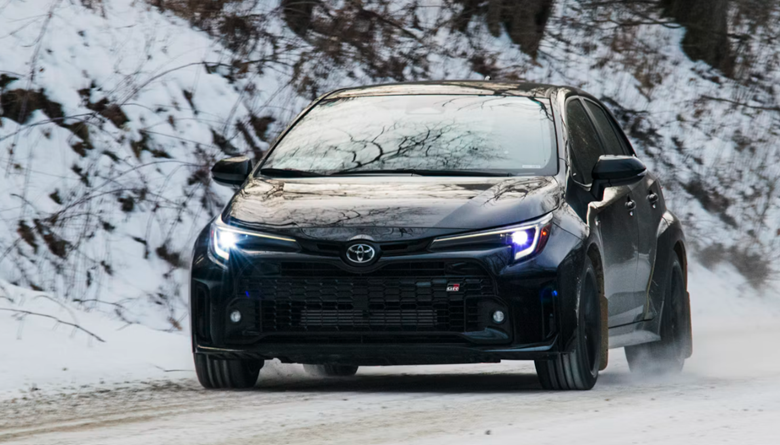
The winter season is usually one of the most challenging periods of the year for cars. The conditions of this time of year can negatively affect not only driving safety but also the operation of various car components. Although, in fact, Toyota cars are positively evaluated for their reliability and economy, even vehicles of this brand require proper maintenance – especially before the onset of the severe frosts of the year. According to LLLParts specialists, during winter it is worth paying special attention to the systems responsible for the car’s stability and the efficient transmission of engine power. So, which Toyota car components become most important in the cold season?
Operation of the hybrid system at low temperatures
Many modern Toyota cars are equipped with hybrid systems that combine a gasoline engine and an electric drive. Although this technology allows for a significant and obvious reduction in fuel consumption, its operation may change slightly in winter due to lower air temperatures. At low temperatures, the car’s control system may start the gasoline engine more often to ensure proper cabin heating and operating conditions for the Toyota parts related to a hybrid system. LLLParts specialists emphasise that this operating principle is completely normal and does not necessarily indicate a malfunction; however, if the car’s fuel consumption increases unusually or hybrid system warnings appear on the dashboard, it is recommended to run diagnostics and check for a possible hidden problem.
Hybrid battery cooling system maintenance
Another important part of Toyota hybrid cars is the high-voltage battery cooling system, without which a hybrid car would not function properly. Of course, depending on the specific model, a special fan and adapted air ducts may be used to regulate the battery temperature, in which dust, hair and other dirt may accumulate over time, which restricts air circulation. According to LLLParts specialists, although the ambient temperature is much lower in winter, this does not mean that maintenance of the battery cooling system is no longer relevant. Clogged air ducts can make it difficult to properly regulate battery temperature, which remains important during winter. For this reason, it is worth assessing the condition of these components when performing a preventive inspection of the car.
Condition of the steering mechanism and suspension components
When driving on snowy or icy roads, precise control of the car becomes especially important for self-evident reasons, such as safety. Toyota cars use various chassis system solutions, but regardless of the specific model, worn steering mechanism components can negatively affect the car’s stability. LLLParts specialists recommend paying attention to the steering rod ends, joints and their protective covers. If the rubber cover is damaged, moisture and dirt can enter the joint, accelerating wear. Of course, a slight steering wheel play or extraneous sounds do not necessarily indicate a serious malfunction, but such symptoms should be checked before the intense winter season begins. Sometimes it is enough to raise the car on a lift and inspect the chassis components from below to properly assess their condition.