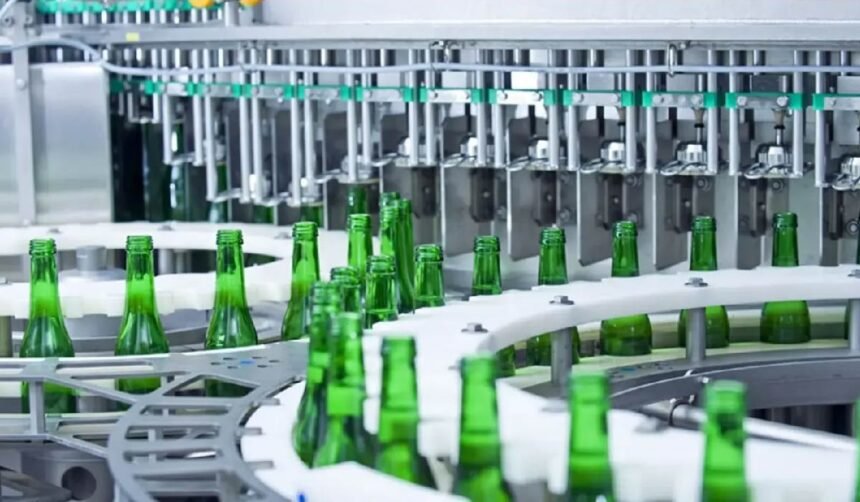
For manufacturing facility managers and maintenance supervisors, keeping production lines running smoothly while managing costs is a constant challenge. One common question when evaluating equipment is: What are the maintenance costs for spiral accumulation tables?
On average, spiral accumulation tables require $2,000-5,000 annually in maintenance costs, including routine inspections, belt maintenance, lubrication, and replacement parts.
While this figure provides a baseline, it’s essential to continue reading as maintenance costs can vary significantly based on factors like usage patterns, environmental conditions, and the specific model of your spiral accumulator. Understanding these variables can help you better predict and reduce your maintenance expenses.
What Factors Affect Spiral Accumulation Table Maintenance Costs?
The frequency and intensity of use significantly impact maintenance costs. Facilities running product accumulation systems 24/7 typically experience higher wear and tear, requiring more frequent belt replacements and component servicing than single-shift operations. Additionally, the type of products being conveyed matters – heavier items create more stress on the system, potentially leading to increased maintenance requirements.
Environmental conditions also play a crucial role in maintenance expenses. Facilities with high humidity or extreme temperatures may need more frequent lubrication and rust prevention measures. Similarly, facilities in dusty environments often require more frequent cleaning and bearing maintenance to prevent premature wear.
How Can You Reduce Spiral Accumulator Maintenance Costs?
Implementing a preventive maintenance program is the most effective way to reduce long-term costs. Regular inspections can identify potential issues before they become major problems, preventing expensive emergency repairs. This includes weekly visual inspections, belt tension checks, and quarterly lubrication schedules.
Properly training operators can also significantly reduce maintenance costs. Ensuring proper loading procedures and operating speeds can prevent unnecessary wear and tear on the system. Additionally, maintaining clean operating conditions and promptly addressing small issues can extend the life of components.
When Should You Replace Rather Than Maintain A Spiral Accumulation Table?
When maintenance costs exceed 30% of the replacement cost within a year, it’s time to consider replacing the unit. This typically occurs when the accumulator is 15-20 years old, though this varies based on usage and maintenance history.
Other signs that replacement might be more cost-effective include frequent breakdowns that impact production schedules, difficulty finding replacement parts for obsolete models, and significant efficiency losses compared to newer models. Modern spiral accumulators often feature energy-efficient designs and improved materials that can provide better long-term value despite higher initial costs.
What Are The Most Common Maintenance Issues With Spiral Accumulators?
Belt tension problems are typically the most frequent maintenance concern, accounting for approximately 40% of service calls. When belt tension is incorrect, it can cause tracking issues, premature wear, and even product damage. Regular tension checks and adjustments can prevent these problems, but they require skilled technicians and proper tools.
Drive system issues, including motor and gearbox problems, represent another 25% of maintenance concerns. These components require regular lubrication and inspection, and failure to maintain them properly can result in costly downtime. Bearing failures and chain drive problems round out the most common maintenance issues.
How Does Preventive Maintenance Compare To Reactive Maintenance In Terms Of Cost?
Studies show that reactive maintenance typically costs 3-4 times more than preventive maintenance over the life of a spiral accumulator. Emergency repairs often require rush shipping of parts, overtime labor rates, and result in unplanned production downtime that can cost thousands of dollars per hour.
A well-structured preventive maintenance program typically requires 15-20 hours of planned downtime per year, compared to an average of 40-60 hours of unplanned downtime for facilities practicing reactive maintenance. This difference alone can justify the investment in regular maintenance procedures and inspections. Additionally, preventive maintenance extends equipment life by an average of 30%, providing significant long-term cost savings.
Conclusion
Based on the maintenance costs and factors discussed, your immediate priority should be developing or updating your spiral accumulator’s preventive maintenance schedule. Start by creating a simple weekly checklist that includes visual inspections, belt tension checks, and cleaning procedures, then schedule a meeting with your maintenance team to implement this new routine.