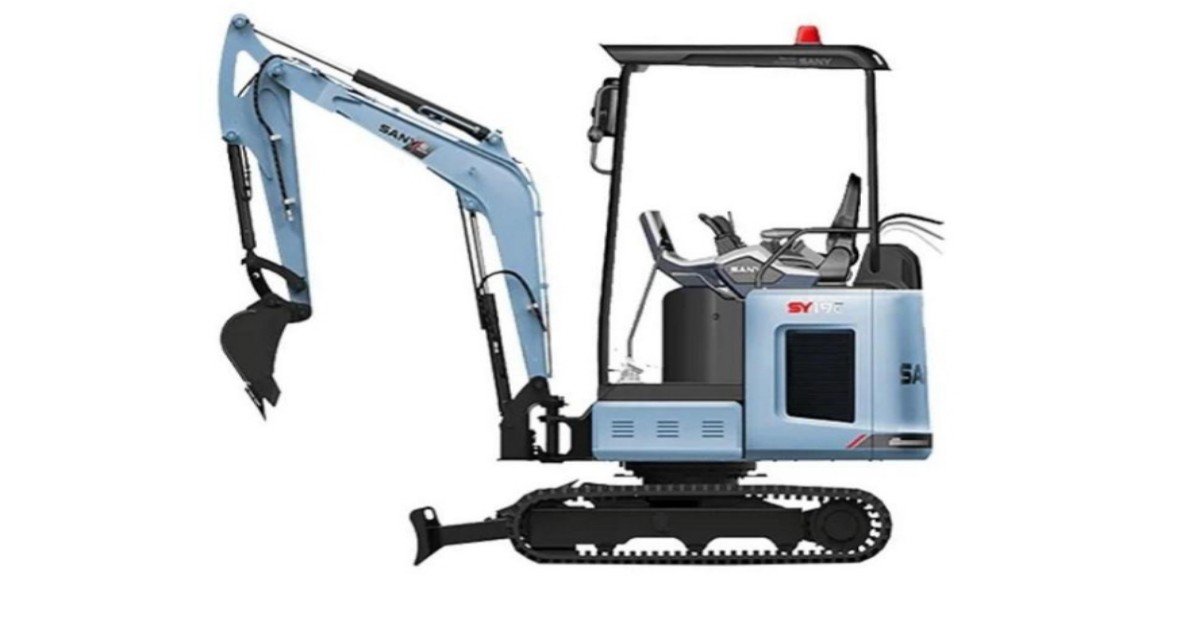
Mini excavators have become a popular choice among contractors, landscapers, and homeowners who want strong equipment that can work in tight spaces. Unlike larger machines, these tiny excavators can readily navigate narrow pathways, making them ideal for urban projects, backyard restorations, and small-scale building. Their small size enables operators to do operations where bigger equipment just cannot fit. Despite their small size, micro excavators provide significant digging force, efficiency, and adaptability. With the appropriate attachments, they may perform numerous duties, saving time and money. This mix of small design and performance makes them a dependable option.
Why Are Mini Excavators Better for Small Job Sites?
Compact Size and Easy Maneuverability
The fundamental advantage of a mini excavator is its small size, which allows operators to reach regions with restricted entry points or limited working space. They can navigate tiny gates, work between buildings, and do tasks in backyards or inside spaces without creating interruptions. Their reduced weight makes it easier for them to transfer between job sites on smaller trucks. Precise hydraulic controls boost maneuverability, enabling smooth operation even in congested areas. Contractors enjoy the machine’s ability to dig, lift, and remove debris more effectively than hand equipment, relying on the dependable power and traction provided by its components like final drive motor to ensure an excellent size-to-power ratio.
Versatility in Different Applications
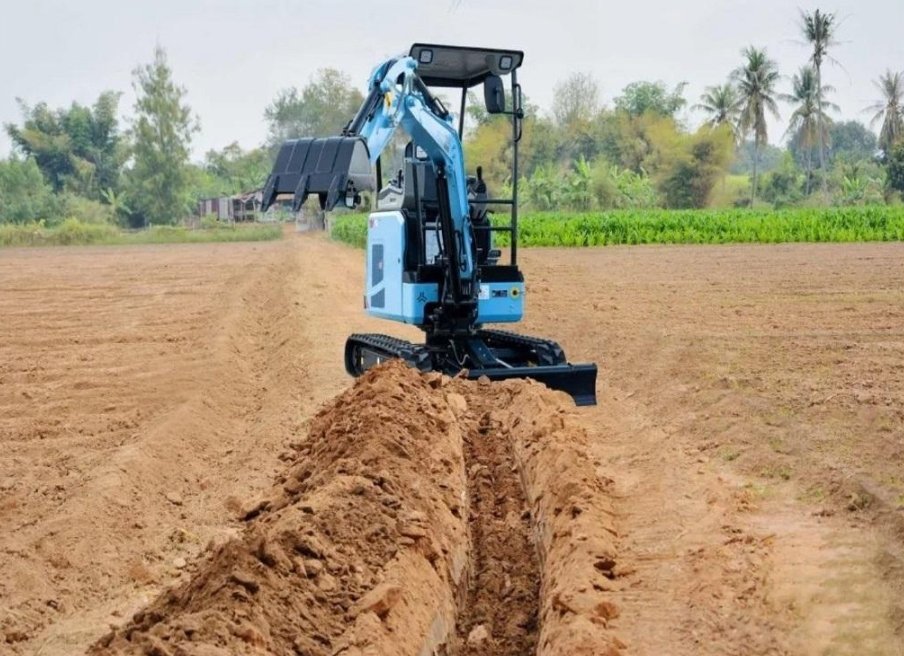
Mini excavators are useful for a variety of tasks in construction, landscaping, and utility work. Operators can use several attachments to accomplish grading, trenching, demolition, and material handling. Their ability to switch duties swiftly boosts efficiency on tiny job sites where time and space are limited. For landscapers, a mini excavator can remove stumps, install drainage, or create ponds without damaging nearby property. Utility workers can use them to dig trenches for pipes or cables in urban settings. This versatility ensures that contractors can take on more diverse projects while reducing the need for multiple machines.
Lower Ground Impact and Accessibility
Mini excavators’ low ground pressure is one of the reasons they work so well on small construction sites. Because of their smaller weight, tracks are distributed more uniformly, lowering the possibility of soil compaction or harm to delicate surfaces like sidewalks, driveways, and lawns. Because of this characteristic, they are appropriate for residential applications where environmental preservation is crucial. Another benefit is accessibility; small machines can operate in areas that bigger excavators would not be able to, such as up slopes and around tight corners. Additionally, because of their small size, they can be carried through narrow openings, which is frequently required in indoor or urban work environments.
Key Features That Make Mini Excavators Stand Out
Zero Tail Swing and Reduced Radius Designs
Zero tail swing and decreased radius designs are essential advancements that allow small excavators to operate efficiently in compact locations. With zero tail swing, the machine’s rear does not extend over its rails when spinning, enabling safe operation near walls, fences, and other obstructions. Reduced radius designs reduce the turning footprint while preserving power and stability. These characteristics lower the danger of unintended harm on crowded job sites and increase operator confidence while working in tight spaces. Together, they allow for precision digging and mobility without compromising safety, making compact excavators an excellent alternative for urban projects or limited construction zones.
Advanced Attachments for Multiple Tasks
Mini excavators become even more useful when equipped with innovative attachments tailored for specific applications. Digging and grading are done using buckets of various sizes, while augers are used to drill holes for posts or landscaping tasks. Hydraulic breakers are utilized for demolition, while thumbs and grapples simplify material handling. Quick coupler systems enable operators to exchange attachments in minutes, saving downtime and enhancing efficiency. These tools perform at their best when supported by a reliable final drive motor, which delivers the torque and travel power needed for smooth, controlled operation across different tasks. This versatility allows a single small machine to perform several functions, lowering contractors’ equipment costs. Access to different attachments guarantees that mini excavators may handle a wide range of project needs, from home gardening to commercial development, without constraint.
Fuel Efficiency and Operator Comfort
Mini excavators are developed to meet contemporary efficiency standards, reducing fuel consumption while retaining high performance. Many versions use sophisticated hydraulic systems that alter power output dependent on the workload, assuring maximum energy efficiency. Lowering fuel use not only saves money but also decreases pollution, which is becoming increasingly important on urban job sites. Another outstanding feature is operator comfort, which includes ergonomic cabins, adjustable seats, and simple controls that reduce discomfort during lengthy shifts. Quiet engines and smooth hydraulic systems make the machine easier to operate, resulting in a safer and more productive workplace for operators.
Conclusion
Mini excavators have a small form, adaptability, and modern features, making them ideal for tight and tough settings. Their ability to move effortlessly in tight spaces, transition between duties, and work with minimal ground effect guarantees that they remain a popular choice among contractors and landscapers. With improvements such as minimal tail swing, efficient attachments, and increased fuel efficiency, these machines provide outstanding value while retaining high performance. Mini excavators are ideal for private backyards, urban development, and utility installations because they combine power and accuracy. Their versatility continues to make them an indispensable tool for current undertakings.