

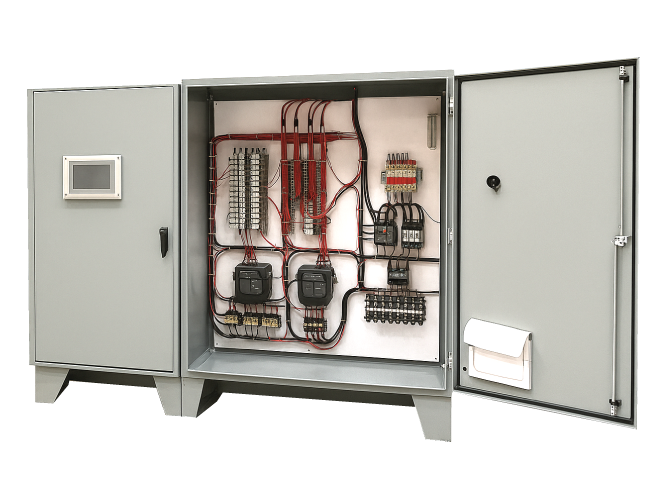
The energy landscape is changing faster than ever. From industrial plants to commercial buildings, companies are under constant pressure to improve efficiency, reduce downtime, and meet sustainability goals. At the center of this evolution lies digital transformation — the integration of smart technologies, real-time analytics, and automated systems that are redefining how industrial power solutions are monitored, distributed, and managed.
In an era where reliability and efficiency are directly tied to profitability, digital power management is no longer optional — it’s a strategic necessity.
The Shift from Traditional to Digital Power Systems
Traditional power management relied heavily on manual monitoring, periodic inspections, and static control mechanisms. Engineers often had to depend on scheduled maintenance and reactive troubleshooting. While these methods worked in the past, they no longer meet the expectations of modern, data-driven industries.
Digital transformation introduces intelligent, connected systems that continuously collect and analyze data from switchgear, control panels, and metering devices. These systems enable operators to make informed, real-time decisions about load distribution, equipment health, and energy usage.
By replacing reactive responses with predictive insights, digital power management enhances both performance and reliability — ensuring every kilowatt is used efficiently and safely.
Key Components of Digital Power Management
Digital transformation in power systems doesn’t happen overnight. It involves upgrading traditional electrical infrastructure with smart devices, communication networks, and integrated software platforms. Some of the most impactful components include:
1. Smart Sensors and Meters
These devices provide live data on voltage, current, and power quality. Unlike analog instruments, smart meters continuously feed information to centralized monitoring platforms, allowing engineers to detect irregularities and balance loads before they become problems.
2. Intelligent Low Voltage Switchgear
Modern low-voltage switchgear is equipped with embedded controllers and communication interfaces that enable data sharing across networks. This digital integration helps identify faults, predict maintenance needs, and improve energy distribution without manual intervention.
3. Motor Control Centers and Automation Panels
Upgraded Motor Control Centers (MCCs) and automation panels now include digital relays, variable frequency drives (VFDs), and Ethernet connectivity. This connectivity allows real-time control, predictive diagnostics, and seamless integration with plant-wide automation systems.
4. Centralized Power Management Software
Cloud-based platforms collect data from multiple power systems, turning raw numbers into actionable insights. Engineers can visualize energy flow, identify inefficiencies, and even schedule automated responses to prevent overloads or equipment stress.
Benefits of Digital Transformation in Power Management
1. Real-Time Visibility and Control
One of the most valuable outcomes of digitalization is visibility. Operators can view energy performance metrics from anywhere, at any time. Real-time dashboards highlight inefficiencies instantly, allowing for immediate corrective actions — a huge advantage over periodic manual inspections.
2. Predictive Maintenance and Reduced Downtime
When electrical systems are connected through intelligent sensors, they can detect subtle performance changes before a breakdown occurs. Predictive maintenance reduces unplanned outages, minimizes repair costs, and extends equipment life.
For example, temperature and current sensors inside switchgear can alert teams to insulation wear or phase imbalance well before a fault develops. This kind of early detection wasn’t possible in traditional systems.
3. Improved Energy Efficiency
Digital power management systems optimize load distribution, reduce waste, and improve overall power factor. Automated controls ensure equipment operates within ideal efficiency ranges, lowering energy consumption and costs.
In facilities where electricity is one of the largest expenses, these savings can be substantial. Moreover, energy-efficient operation supports sustainability goals and reduces a company’s carbon footprint.
4. Enhanced Safety and Compliance
Safety has always been a cornerstone of power system design. Digital tools take it further by integrating features like arc-flash detection, remote monitoring, and event logging. These functions reduce the need for manual inspection of energized equipment, lowering the risk of accidents.
In addition, digital monitoring supports compliance with evolving industry standards such as UL, IEC, and NFPA 70E, ensuring that facilities maintain both performance and safety benchmarks.
5. Scalable and Future-Ready Infrastructure
As energy systems become more complex — incorporating renewable sources, energy storage, and microgrids — scalability becomes critical. Digitally enabled infrastructure is modular by design, allowing organizations to integrate new components or technologies without overhauling the entire system.
Whether expanding a facility or adopting green energy solutions, a digitally transformed power system adapts seamlessly to future needs.
The Role of Data Analytics and AI
Data is the backbone of digital transformation. Every connected device — from a low-voltage switchgear assembly to a Motor Control Center — generates valuable information about system health and performance.
When analyzed with AI-driven algorithms, this data provides insights far beyond simple readings. Predictive analytics can forecast peak loads, identify energy waste, and even simulate the impact of adding new equipment.
Machine learning models continuously refine their accuracy, allowing engineers to make smarter decisions about when to maintain, upgrade, or reconfigure systems. The result is a self-optimizing network that operates with minimal intervention while maintaining maximum reliability.
Sustainability Through Digitalization
Digital transformation also supports the global shift toward sustainability. Smart power systems help organizations measure and manage their environmental impact by tracking energy usage, emissions, and system efficiency in real time.
Facilities can use these insights to reduce unnecessary energy consumption, integrate renewable sources more effectively, and report on sustainability metrics with accuracy.
By aligning operational efficiency with environmental responsibility, digital power management helps companies meet both performance targets and corporate sustainability goals.
Challenges and Considerations
While the benefits of digital transformation are clear, successful implementation requires thoughtful planning. Common challenges include:
- Legacy Equipment Integration: Older systems may need retrofitting to connect with modern networks.
- Cybersecurity: As power systems become connected, protecting data and infrastructure from cyber threats becomes essential.
- Training and Change Management: Engineers and operators must adapt to new technologies and analytical tools.
Addressing these challenges early ensures smoother adoption and maximizes return on investment.
Conclusion
Digital transformation is reshaping every aspect of power management — from how energy is distributed to how performance is monitored and optimized. By combining smart devices, predictive analytics, and an integrated industrial control solution, industries can achieve greater efficiency, reliability, and safety than ever before.
Investing in digital power infrastructure isn’t just about keeping up with technology — it’s about building a smarter, more resilient energy ecosystem that supports long-term growth.
As industries move toward a connected, data-driven future, digital transformation in power management will continue to set the benchmark for performance, sustainability, and innovation.