Tooth decay is a common problem that can cause pain and costly dental work. Fluoride is a natural mineral that helps protect your teeth from this damage. In this blog, you’ll learn how fluoride strengthens enamel, stops early decay, and keeps cavities away.
Keep reading to find out how it works!
Key Takeaways
- Fluoride strengthens enamel by forming fluoroapatite, making teeth more resistant to acid attacks and decay.
- Fluoridated water reduces cavities by at least 25% in all age groups and costs less than one dental filling per person over a lifetime.
- Professional fluoride treatments, like varnishes or gels, provide extra protection for high-risk patients and take less than five minutes during dental checkups.
- Daily use of fluoride toothpaste and mouthwash repairs early decay through remineralization and helps prevent cavities.
- Parents should supervise kids under 6 when brushing to avoid swallowing too much fluoride, which can cause fluorosis (white or brown spots on teeth).
How Fluoride Prevents Tooth Decay
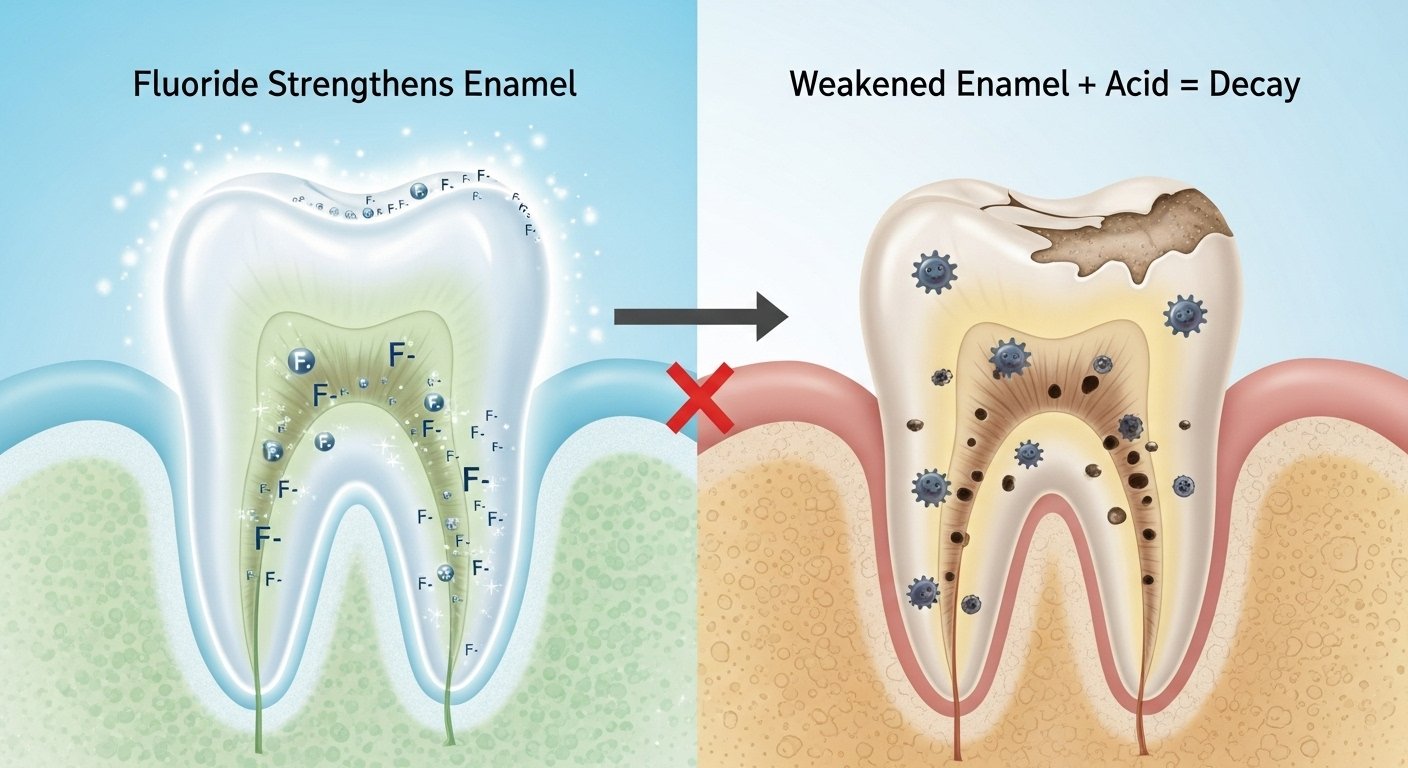
Fluoride makes teeth tougher, like armor against acid. It also helps fix small damage before it gets worse.
Strengthens enamel by forming fluoroapatite
Teeth become stronger with fluoroapatite. This mineral forms when fluoride changes weaker hydroxyapatite in tooth enamel to a harder structure. It boosts resistance to acid attacks from food and drink, protecting against dental caries.
Public water fluoridation helps maintain this process daily. Over 74% of U.S. residents with public water access benefit from proper fluoride levels, set at 0.7 parts per million (ppm).
This provides low-level, continuous protection for healthy life teeth over time. Fluoride toothpaste adds even more defense by keeping enamel tough and decay-resistant.
Promotes remineralization of early decay
Fluoride helps repair weak enamel caused by acid damage. It pulls minerals like calcium and phosphate back into the tooth surface. This process strengthens early decay spots, stopping cavities from forming.
Professional fluoride treatments, such as varnish or gel, boost this effect even more. Fluoridated water and toothpaste also support daily remineralization by adding fluoride to saliva.
Children benefit greatly during tooth development; their teeth gain extra resistance to decay while growing stronger enamel layers.
Inhibits acid production by harmful bacteria
Harmful bacteria in the mouth produce acids that attack tooth enamel. This happens when they break down sugar. Fluoride stops these bacteria from making acid by disrupting their processes.
It targets cavity-causing types like Streptococcus mutans and slows demineralization.
Fluoride toothpaste or mouth rinses can help limit bacterial activity. These products work well for adults and kids older than 6 years old. Dentists may also recommend fluoride varnish during dental visits for stronger protection.
Common Sources of Fluoride
Fluoride comes from everyday things you use for oral care. It helps protect your teeth in ways you might not expect.
Fluoridated water
Fluoridated water helps fight tooth decay and strengthens enamel. About 75% of U.S. public water systems contain added fluoride, set at an optimal level of 0.7 mg/L for dental health.
This simple step prevents at least 25% of cavities across all age groups.
Children in areas without fluoridated water are three times more likely to need surgery for severe cavities. Fluoridation also saves money; its lifetime cost is less than a single filling per person.
With over 70 years of research backing it, this safe practice is supported by more than 100 health organizations worldwide, including the American Dental Association (ADA).
Fluoride toothpaste and mouthwash
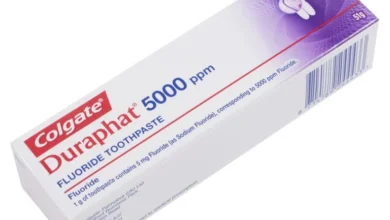
Fluoride toothpaste strengthens tooth enamel. It helps stop early decay and repairs weak spots on teeth. The American Dental Association (ADA) advises brushing twice a day for at least two minutes using fluoride toothpaste.
Adults, teens, and kids over six should follow this routine. Younger children need smaller amounts of paste to avoid swallowing too much.
Fluoride mouthwash adds extra protection against acid attacks from oral bacteria. Over-the-counter options are mild, but stronger versions require a prescription. However, kids under six should skip mouthwash unless approved by a dentist to prevent misuse or swallowing excess fluoride.
Professional treatments offer added support for healthier teeth and gums through regular dental care practices like varnishes or gels, discussed further next!
Professional fluoride treatments (varnishes, gels, foams)
Toothpaste and mouthwash provide daily fluoride, but professional treatments deliver extra protection. Dentists use varnishes, gels, or foams to apply a higher concentration of fluoride directly on the teeth.
These treatments strengthen enamel quickly and fight acid attacks from harmful bacteria.
A dentist or hygienist can complete the process in less than 5 minutes during routine dental visits. High-risk patients, like those with dry mouth or frequent cavities, may need up to four treatments each year.
Children and adults both benefit from these applications as part of regular dental preventive care.
Benefits of Fluoride Treatments
Fluoride treatments keep your teeth strong, protect against cavities, and save you from costly dental issues—ready to learn how?
Long-term cavity prevention
Regular fluoride treatments protect teeth for years. Fluoridated water reduces tooth decay by at least 25% across all ages. Using fluoride toothpaste and mouthwash daily adds another layer of defense.
Professional treatments, like in-office varnishes or gels, strengthen enamel further. These methods work together to fight harmful bacteria and acid attacks.
Children benefit the most from steady fluoride use. Kids in areas without fluoridated water are three times more likely to need surgeries for cavities. Daily exposure creates stronger enamel that resists decay over time.
This prevention saves money too, costing less than one dental filling per person over a lifetime.
Reversal of early decay
Fluoride can repair early signs of tooth decay. It helps restore damaged enamel by adding minerals like calcium and phosphate back into the tooth structure. This process is called remineralization.
Professional fluoride treatments, such as varnishes or gels, boost this repair process. Dentists may apply these up to four times a year for people at higher risk of cavities. Fluoride toothpaste and mouthwash also play a key role in fixing acid damage, especially in children whose primary teeth are still coming in.
Cost-effective oral health solution
Fluoride treatments save money and teeth. The lifetime cost of water fluoridation is less than one dental filling per person. Community water fluoridation cuts tooth decay by at least 25%.
This reduces the need for expensive fillings, crowns, or surgeries.
Children in non-fluoridated areas face higher dental costs. They are three times more likely to need cavity-related surgery. Professional fluoride varnishes or gels also help reduce costs for high-risk patients.
Fluoride toothpaste and mouthwash provide affordable daily protection against decay as well.
Fluoride Treatment Recommendations
Your dentist can guide you on how often fluoride treatments are needed. These treatments help protect enamel and stop decay in its tracks.
Frequency of treatments for children and adults
Children and adults usually need fluoride treatments every six months during routine dental checkups. Kids with non-fluoridated water sources or high cavity risks may require additional care, up to four times a year.
High-risk adults, such as those with dry mouth or gum disease, might also benefit from more frequent applications. Dentists determine the ideal schedule based on individual needs. Fluoride varnish is often quick to apply, taking less than five minutes per visit, making it an easy step in protecting tooth enamel and preventing decay.
Safety and proper fluoride intake
Using too much fluoride can harm teeth, especially in kids under 6. Fluorosis, a common issue from overexposure, leads to white or brown spots on enamel. It often happens during tooth development when children swallow toothpaste or consume water with high natural fluoride levels.
To avoid this, parents should limit toothpaste to a pea-sized amount for kids and supervise brushing. Encourage spitting out toothpaste to prevent swallowing.
Fluoride supplements aren’t needed for babies less than six months old, per the American Dental Association (ADA). For infants drinking formula, mix it with non-fluoridated water to reduce risks.
Parents should also steer clear of flavored toothpastes that tempt children into swallowing. If fluorosis occurs, dentists may use treatments like bonding or veneers, but can’t reverse it completely. Always follow dentist’s advice to keep intake at safe levels while protecting oral health and strong teeth.
Conclusion
Fluoride treatments act like a shield for your teeth. They protect enamel, fight acid attacks, and stop early decay in its tracks. From toothpaste to professional treatments, fluoride is key to strong teeth and good dental health.
Regular care keeps cavities away and smiles bright. Healthy teeth are happy teeth!