Understanding the Key Person Approach: A Parent’s Guide to Early Years Support

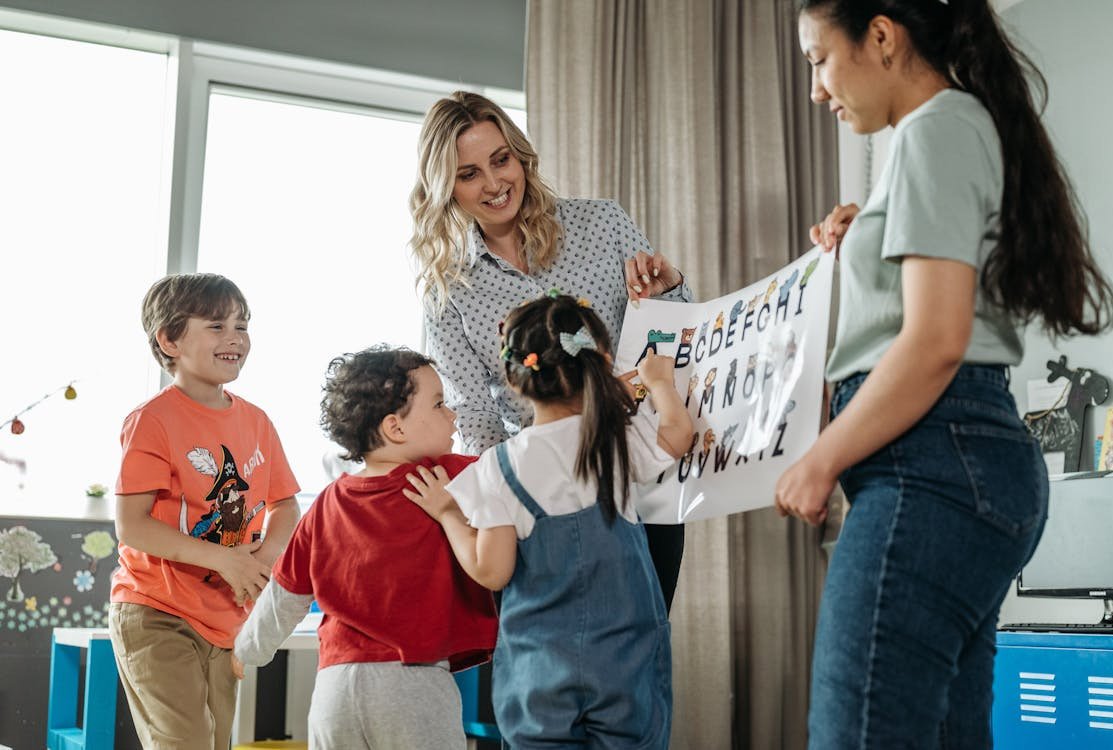
Dropping your child off at nursery for the first time is a significant milestone for any family. A mix of pride and anxiety often accompanies it. You might wonder who will comfort your child if they scrape their knee, who will notice that they prefer their apple slices peeled, or who will give them a cuddle when they feel tired. In UK early years settings, this responsibility falls to a specific practitioner known as the key person.
This system ensures that every child has a dedicated adult to champion their needs. Rather than being looked after by a generic group of staff, your child builds a special bond with one professional. This approach is a statutory requirement under the Early Years Foundation Stage (EYFS) framework in England. It guarantees that care is consistent, responsive, and personal, ensuring no child gets lost in the crowd.
The Core Role: More Than Just Supervision
The concept of a key person goes far beyond general supervision. This practitioner acts as a secure base for your child. When a child feels safe, they are more confident to explore and learn. The key person is responsible for your child’s emotional well-being and developmental progress throughout their time at the setting.
In a busy nursery environment, having one specific person who knows your child best is essential. This person becomes the expert on your child. They know that your toddler needs their teddy bear after lunch or that they are currently fascinated by dinosaurs. This deep knowledge allows them to plan activities that specifically interest your child, fostering a love for learning from a young age.
Their primary duties include:
- Building a Secure Attachment: Forming a strong, trusting bond so the child feels safe enough to separate from their parents.
- Personal Care: Handling intimate care routines like nappy changing, toileting, and feeding. These moments of one-to-one interaction are crucial for building trust.
- Developmental Tracking: Observing the child’s play, recording their milestones, and identifying any areas where they might need extra support.
- Planning: Creating activities that match the child’s current interests and needs, ensuring they are challenged appropriately.
The Importance of Attachment in Early Years
Research into early childhood development shows that children thrive when they have secure attachments. A child who feels “held in mind” by a specific adult experiences less stress and better regulates their emotions. This emotional security is the foundation for all future learning. If a child is anxious or feeling insecure, they cannot engage effectively with toys or socialise with peers.
The key person acts as a secondary attachment figure. They do not replace the parent but provide a safe alternative when the parent is absent. This relationship allows the child to venture out and explore the nursery, knowing they have a “haven” to return to if things become overwhelming. Without this structure, a child might feel adrift in a busy room, unsure of who to turn to for comfort.
How Nurseries Implement the System
Different nurseries may allocate key persons in slightly different ways, but the goal remains the same: to ensure every child has a champion. Typically, a key person is assigned based on the days the child attends or the natural bond that forms during the first few visits.
When evaluating a nursery, it is helpful to ask how they implement this system. A high-quality setting will have a clear policy for assigning a nursery key person. Thrive Childcare and Education explains that its key person system assigns each child a dedicated practitioner—plus a “buddy” key person—to build a secure bond, provide personalised care, and act as a consistent point of contact for families. It states that key persons support children’s emotional well-being, settling-in, social development, and learning by closely observing progress and maintaining regular communication with parents and carers.
This structure ensures that the child is never left without a familiar face. Staff holidays, sickness, or training days are inevitable, so having a secondary contact prevents any disruption to the child’s sense of security.
The ‘Buddy’ System Explained
Continuity of care is vital for young children. They rely on routine and familiarity to feel safe. The mention of a “buddy” key person is a critical component of a well-managed nursery. The buddy is another staff member who works closely with the primary key person. They get to know your child almost as well as the main key person does.
This system is a safety net. If your child’s primary carer is off work for a week, the buddy steps in seamlessly. They already know your child’s routine, likes, and dislikes. This prevents the child from feeling abandoned or confused by the sudden absence of their special person. It also reassures parents that there is always someone available who understands their child’s specific needs.
Supporting the ‘Settling In’ Period
The initial weeks at a new nursery are often the most challenging part of the childcare journey. This transition period is where the key person shines. They will likely be the ones to greet you and your child each morning, helping to bridge the gap between home and nursery.
During the settling-in sessions, the key person focuses entirely on the child. They will play on the floor with them, introduce them to other children, and gently encourage them to explore the room. They also spend time talking to you, gathering as much information as possible about your child’s life at home.
Specific focus areas during this phase include:
- Emotional Availability: Being physically present and attentive to the child’s distress. They validate the child’s feelings, acknowledging that it is okay to be sad that Mummy or Daddy has gone.
- Routine Consistency: Mirroring home routines as closely as possible. If your child naps at a particular time or has a specific way of being settled for sleep, the key person ensures this happens at nursery too.
- Parent Reassurance: Providing detailed feedback about how the child coped after the parent left. This might involve a phone call later in the morning or photos sent via a parent app.
The Triangle of Trust: Parents, Child, and Key Person
In early years education, practitioners often refer to the “Triangle of Trust.” This concept illustrates how the key person connects the child, the family, and the setting. The relationship is not just between the adult and the child; it includes the parents as equal partners.
Your child’s key person is your main point of contact. While you can speak to any staff member, your child’s key person will have the most profound insight into their day. They will share those precious “wow moments”—new words spoken, new skills mastered, or new foods tried.
Conversely, you play a vital role in this partnership. You should share significant events from home. If your child had a poor night’s sleep, is teething, or if there are changes in the family dynamic, the key person needs to know. This two-way flow of information allows the practitioner to adjust their care. For instance, if they see a child is tired from a busy weekend, they might plan quieter activities for them on a Monday morning.
Questions to Ask Your Child’s Key Person
Building a relationship with this practitioner is a two-way street. Do not hesitate to ask questions that help you understand their approach and how they view your child’s development.
Consider asking these questions during your initial meetings or parents’ evenings:
- “How do you plan to settle my child in, and what is my role in that process?”
- “What is your approach to comforting a child who is upset?”
- “How do you track my child’s interests, and how often will we have formal updates on development?”
- “How can I support the learning you are doing in the nursery at home?”
These conversations establish a partnership. They demonstrate that you value their professional expertise while also respecting your role as the primary parent.
Transitions to the Next Stage
As your child grows, they will eventually move to a new room within the nursery or leave for school. The key person plays a pivotal role in managing these transitions. They prepare the child for the change, talking about the new room or school.
When moving rooms, the current key person will usually visit the new room with the child several times. They will hand over all the essential information to the new key person, ensuring that the new carer understands the child’s history and needs. This “handover” prevents the child from having to start from scratch with a stranger.
Final Thoughts for Parents
The key person system is designed to benefit everyone involved. It supports the child’s emotional health, provides parents with a trusted contact, and enables staff to deliver higher-quality care. By understanding this role, you can work more effectively with your nursery to give your child the best possible start.
Remember, this person is there to be your ally. They want your child to thrive just as much as you do. Open communication, mutual respect, and sharing information will turn this professional relationship into a robust support network for your family. When you feel confident in the person looking after your child, you can go about your day with peace of mind, knowing they are in safe, loving hands.