
If you live in Miami and your air conditioner seems to run nonstop, you’re not alone. Many homeowners experience the same issue—an AC that just won’t shut off, even when the house feels cool enough. At first, it might seem like your system is just working extra hard because of the heat. But in many cases, the real problem isn’t the AC unit at all.
It’s the thermostat.
In Miami’s hot and humid climate, a thermostat that isn’t working properly can cause your AC to run nonstop, leading to higher energy bills, added system strain, and reduced comfort. Knowing when it’s time to repair thermostat issues can help you save money and avoid more serious HVAC problems later.
Why Constant AC Operation Is a Big Problem in Miami
In Miami, air conditioning already runs more than it does in most parts of the country. When your AC never shuts off, it’s under constant strain. That leads to:
- Higher electricity bills
- Faster system wear
- Increased risk of breakdowns
- Poor humidity control
While it’s normal for AC systems to run longer during peak summer heat, nonstop operation is often a warning sign—especially if your home has reached the set temperature but the system keeps running.
How the Thermostat Controls Your AC
Your thermostat is essentially the brain of your HVAC system. It senses the temperature in your home and tells the AC when to turn on and off. When it’s working properly, it keeps your indoor temperature stable and comfortable.
When it’s not working properly, it can send the wrong signals. That’s when problems like nonstop cooling begin.
In Miami homes, where AC systems are already working hard, even a small thermostat issue can quickly become noticeable.
Common Thermostat Issues That Cause AC to Run Constantly
There are several thermostat-related problems that can prevent your AC from shutting off.
Incorrect Temperature Readings
If your thermostat isn’t accurately reading the temperature, it may think your home is warmer than it actually is. As a result, it keeps the AC running even when cooling isn’t needed.
This can happen due to:
- Sensor issues
- Dust buildup inside the thermostat
- Age-related wear
In Miami, where temperature differences between rooms can be significant, inaccurate readings are a common issue.
Poor Thermostat Placement
Thermostat location matters more than most people realize. If it’s placed near a window, in direct sunlight, near a vent, or close to heat-producing appliances, it may constantly sense heat and keep the AC running.
Many older Miami homes were built before modern thermostat placement guidelines were standard. Thermostat repair or relocation can often solve the problem.
Wiring or Electrical Problems
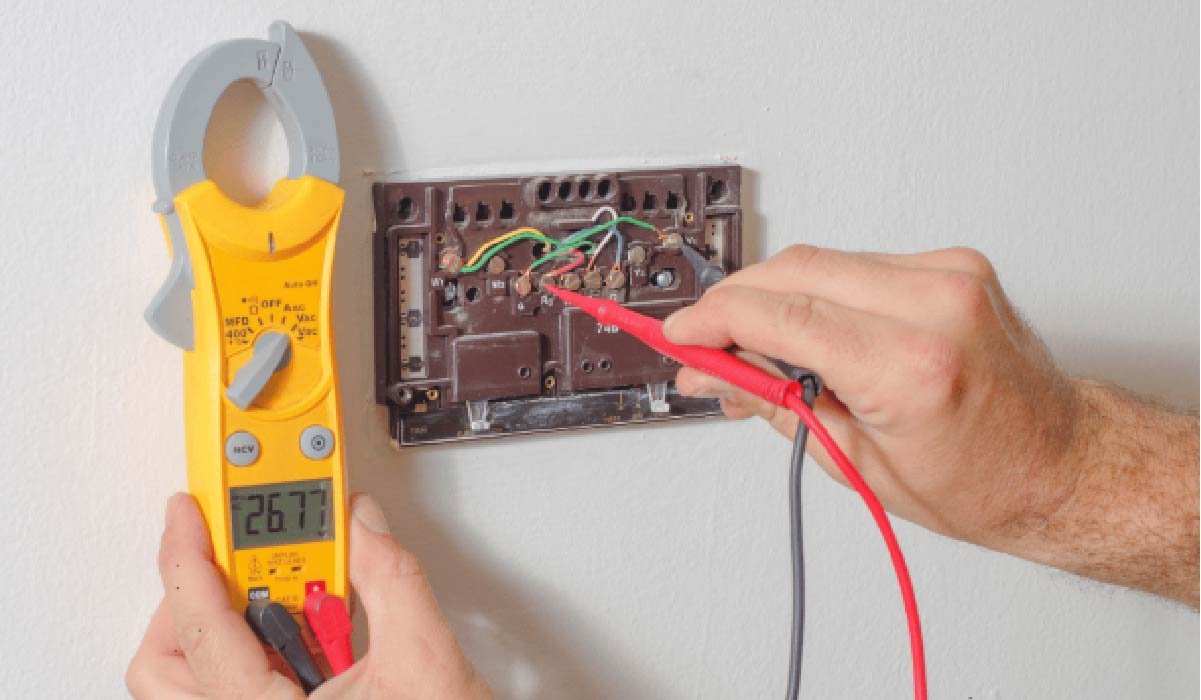
Loose, damaged, or aging wiring inside the thermostat can cause communication problems with your AC system. When signals don’t transmit correctly, the AC may fail to shut off.
Miami’s humidity can accelerate corrosion and electrical wear, making wiring issues more common than in drier climates.
Outdated or Malfunctioning Thermostats
Older thermostats simply weren’t designed to handle today’s high-efficiency HVAC systems. Over time, internal components wear out, leading to poor control and constant system operation.
If your thermostat is more than a decade old, repair—or replacement—may be the most effective solution.
Incorrect Settings or Programming Issues
Smart and programmable thermostats offer convenience, but incorrect settings can cause confusion. Scheduling errors, misconfigured modes, or software glitches may result in the AC running longer than intended.
In some cases, thermostat repair is as simple as recalibration or reprogramming.
How Miami’s Climate Makes Thermostat Problems Worse
Miami’s constant heat and humidity amplify thermostat issues. When your AC doesn’t shut off, it’s not just cooling—it’s also trying to remove moisture from the air.
This leads to:
- Reduced efficiency
- Increased humidity indoors
- Shorter system lifespan
A malfunctioning thermostat in Miami doesn’t just affect comfort—it affects the entire HVAC system.
Signs You May Need Thermostat Repair
Homeowners often assume their AC is the problem, but the thermostat is frequently the real culprit. Signs that thermostat repair may be needed include:
- AC runs nonstop without reaching the set temperature
- Indoor temperature doesn’t match thermostat display
- Frequent temperature swings
- Unresponsive controls or display
- Rising energy bills with no clear explanation
If you notice these issues, it’s worth having the thermostat checked before assuming a major AC failure.
Repair vs. Replacement: What Makes Sense?
Not every thermostat issue requires replacement. Many problems can be fixed through recalibration, wiring repair, or sensor adjustment.
However, replacement may be the better option if:
- The thermostat is outdated
- Repairs are recurring
- You want better humidity control
- You’re upgrading your HVAC system
In Miami homes, newer thermostats often provide improved efficiency and better compatibility with modern cooling systems.
Why Professional Thermostat Repair Matters
Thermostats may look simple, but diagnosing issues correctly requires experience. A professional technician can determine whether the problem is with the thermostat, wiring, or AC system itself.
They also understand how Miami’s climate affects HVAC performance and can recommend solutions that prevent future issues—not just temporary fixes.
Read the article: Will I Have to Replace My Gas Boiler After 2025?
Don’t Ignore a Thermostat That Won’t Shut Off Your AC
If your AC won’t shut off, ignoring the problem can lead to higher bills, system damage, and uncomfortable living conditions—especially during Miami’s hottest months.
Thermostat repair is often a quick, cost-effective solution that restores comfort and protects your HVAC system from unnecessary strain.
In a city where air conditioning is essential, making sure your thermostat works properly isn’t optional—it’s a key part of keeping your home comfortable, efficient, and stress-free.