Volkswagen driving habits that are recommended to be followed even as winter ends

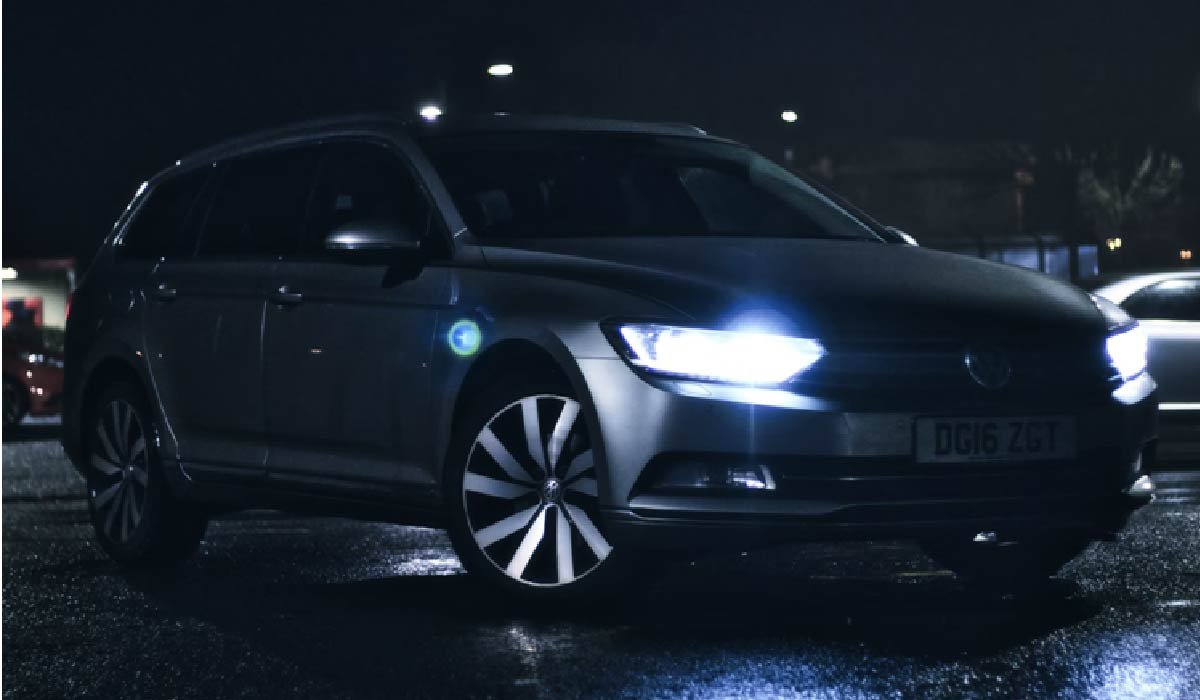
It’s no secret that the weather in the UK during early spring and late winter can be unpredictable. At first glance, it may seem that spring is here and the heat will soon set in, but the cold that appears at night should not be underestimated, which once again reminds us that it is definitely not worth changing our winter driving habits for the time being. Today, LLLparts experts will talk about the problems of Volkswagen cars during the cold season and share some tips that will help ensure the longevity of this brand’s vehicles.
What are the dangers of lower temperatures?
So, as mentioned earlier, during late winter and early spring, the weather in the UK remains unpredictable, so it is likely to experience nights when the temperature drops well below zero. In such conditions, Volkswagen car engines often do not have time to reach operating temperature, especially when short distances are driven. This provides excellent conditions for condensation to form in the engine oil, breather and exhaust systems. LLLParts experts say that short travel distances in a Volkswagen car also mean that the battery, exhausted by the cold, does not have time to be sufficiently charged by the generator, and some engine components experience greater loads due to increased friction, which occurs due to the oil becoming more solid and thickened from the cold.
A problem common to both gasoline and diesel Volkswagen engines
Perhaps the most common such problem in gasoline Volkswagen models is uneven engine idling as soon as it is started in the early morning. Fuel consumption also inevitably increases. These troubles are especially common in 2.0 TFSI engines with the EA888 code. However, as mentioned earlier, this manufacturer’s diesel engines also face similar problems. A great example would be the popular 2.0 TDI engines, which were especially often installed in Passat, Tiguan or Golf models. So, to avoid these or similar problems, LLLParts experts encourage drivers to travel longer distances by car more often so the engine can reach its operating temperature and complete its thermal cycle. The temperature inside the engine is a more important aspect than many drivers think. Volkswagen engines that have reached their operating temperature will help evaporate the condensation accumulated from the cold, and the generator will properly charge the battery. This will help avoid major problems related to VW parts and prevent expensive car breakdowns.
Tips for those who encounter breakdowns
Of course, LLLParts experts warn that sometimes proper engine warming up and reaching operating temperature may no longer help, because damage has already occurred. In such a case, it is recommended to have your Volkswagen cars repaired only by reliable service providers and to ensure that only original parts or parts that meet Volkswagen manufacturer standards are used for their repair. Only the use of such parts will ensure the vehicle’s durability and allow you to enjoy great trips in your own car.