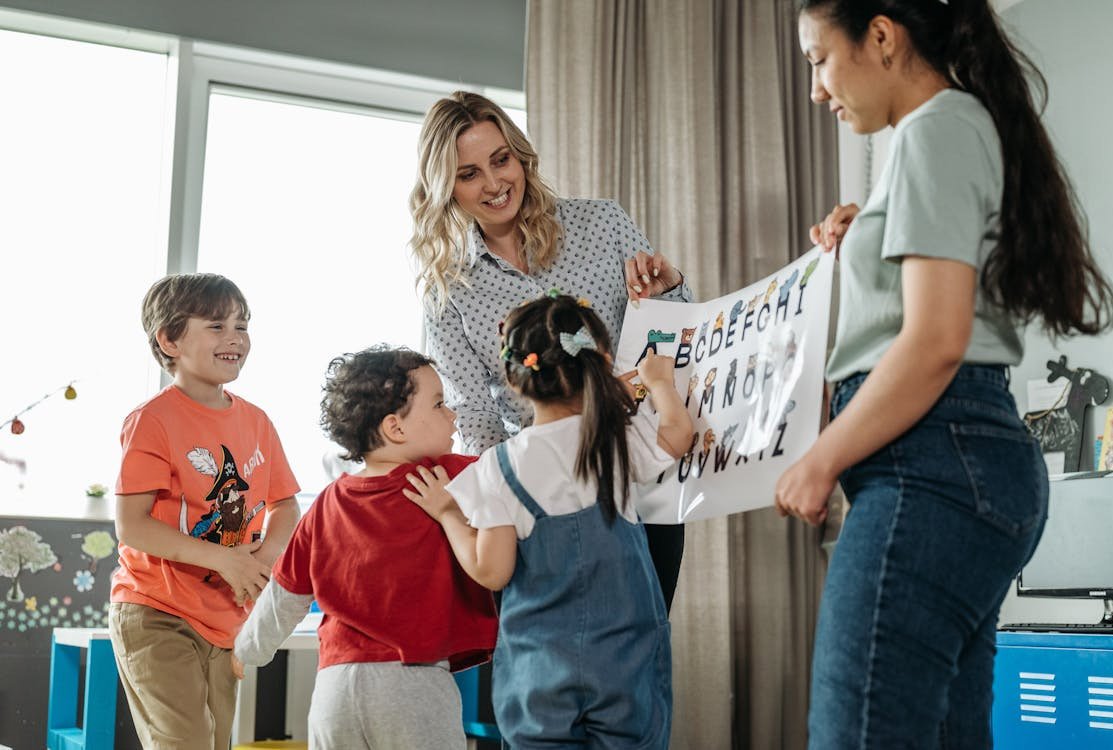


Learning English effectively requires more than simply completing worksheets or memorising vocabulary lists. Students improve language skills more steadily when they use educational resources with purpose, consistency, and active engagement. During the primary school years, children develop the foundations for reading comprehension, writing ability, grammar accuracy, and communication confidence. The way they approach revision during this stage can influence long-term academic performance.
A carefully selected primary English book can become far more valuable when students and parents know how to use it effectively. Instead of rushing through exercises, the focus should be on building understanding, applying concepts, and strengthening confidence gradually through meaningful practice.
Create a Consistent English Learning Routine
Children generally improve language skills through regular exposure rather than occasional intensive revision. Short but consistent learning sessions are often more effective than long study hours completed only before examinations.
Building a routine helps students:
- Stay familiar with language concepts
- Improve retention through repetition
- Develop stronger revision habits
- Reduce stress during assessments
Even 20 to 30 minutes of focused English practice daily can support steady improvement over time.
Read Instructions and Examples Carefully
Many students lose marks not because they lack understanding, but because they rush through questions without fully reading instructions or examples.
An effective primary English book usually provides model examples and guided explanations that help students understand how answers should be approached.
Students should learn to:
- Analyse question requirements carefully
- Observe answer formats closely
- Understand why certain responses are correct
- Identify important keywords in passages
This habit strengthens comprehension and improves accuracy during assessments.
Focus on Understanding Instead of Memorising
Language learning becomes more meaningful when students understand how words, grammar, and sentence structures work together naturally.
Rather than memorising fixed answers, children should focus on applying concepts independently.
Helpful learning approaches include:
- Using new vocabulary in sentences
- Explaining grammar rules through examples
- Rewriting incorrect answers correctly
- Discussing comprehension ideas aloud
Understanding encourages stronger confidence and flexibility in language usage.
Use Writing Exercises to Build Expression Skills
Writing improves gradually through consistent exposure and practice. Students often gain confidence when writing tasks are introduced progressively instead of expecting advanced compositions immediately.
Across different learning levels, many primary school books now incorporate guided writing activities that help children strengthen creativity, sentence structure, and idea organisation through manageable stages. This gradual approach allows students to express thoughts more clearly without feeling overwhelmed by composition tasks.
Useful writing habits may include:
- Expanding simple sentences into detailed ideas
- Learning transition phrases for smoother flow
- Practising descriptive vocabulary regularly
- Reviewing model compositions for inspiration
Consistent writing practice helps students communicate ideas more effectively.
Revisit Mistakes Instead of Ignoring Them
Mistakes are one of the most valuable parts of the learning process. Students improve more effectively when they understand why errors happen and learn how to correct them properly.
Instead of moving quickly to the next exercise, children should:
- Review incorrect answers carefully
- Identify repeated grammar or comprehension mistakes
- Rewrite corrected answers independently
- Keep notes on weaker areas for revision
This reflection process strengthens long-term understanding.
Build Vocabulary Through Daily Usage
Strong vocabulary development requires repeated exposure and active application. Students remember words more effectively when they use them regularly instead of memorising isolated definitions.
Parents can encourage vocabulary growth by helping children:
- Use new words during conversations
- Create personal vocabulary notebooks
- Read passages aloud regularly
- Identify word meanings through context
Daily language exposure strengthens both comprehension and communication abilities.
Make Reading a Regular Habit
Reading plays a major role in improving language fluency, comprehension, and analytical thinking. Students who read regularly are often better at processing information and understanding question requirements.
Reading activities can include:
- Short comprehension passages
- Storybooks suitable for the child’s level
- Informational articles for vocabulary exposure
- Reading aloud for pronunciation improvement
Strong reading habits naturally support better writing and communication skills.
Encourage Independent Revision
Children become more confident learners when they are encouraged to revise independently. Educational materials that provide clear instructions and structured exercises help students develop stronger self-learning habits.
Independent revision supports:
- Better concentration during study time
- Improved responsibility towards learning
- Greater confidence solving questions alone
- Stronger academic discipline over time
These habits become increasingly valuable in higher primary and secondary levels.
Balance Practice with Encouragement
Some students become discouraged when they focus only on mistakes or exam scores. Positive encouragement is important for maintaining motivation during language learning.
Parents can support confidence by:
- Recognising gradual improvement
- Praising consistent effort
- Encouraging curiosity during learning
- Avoiding excessive pressure during revision
Students often perform better when they feel supported rather than criticised.
Use Educational Books as Long-Term Learning Tools
English development is a gradual process. Educational resources should not only prepare students for immediate assessments but also strengthen long-term communication and comprehension abilities.
A good learning resource supports:
- Progressive language development
- Continuous reinforcement of concepts
- Independent learning confidence
- Practical application of language skills
When used effectively, educational books become tools for long-term academic growth rather than temporary exam preparation.
Conclusion
Making the most of a primary English book requires consistency, active learning, and structured practice. Students benefit most when educational materials are used to strengthen understanding, improve communication skills, and encourage gradual confidence-building instead of relying solely on memorisation.
With thoughtfully developed primary school books and learner-focused educational support, students can improve comprehension, writing, grammar, and vocabulary more effectively over time. Through structured practice and practical learning resources, Singapore Asia Publishers continues to support children in developing strong English foundations for future academic success.
Frequently Asked Questions
1. How can students use a primary English book more effectively?
Students should focus on understanding concepts, reviewing mistakes carefully, practising consistently, and applying vocabulary and grammar in real situations.
2. Why is regular reading important for English improvement?
Reading strengthens comprehension, vocabulary, sentence structure, and communication skills. It also helps students process information more confidently.
3. Can primary school books support independent English learning?
Yes, structured primary school books with guided explanations and progressive exercises help students revise independently and build stronger language confidence.