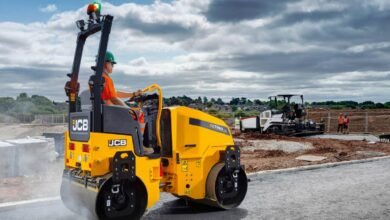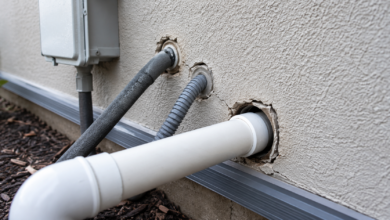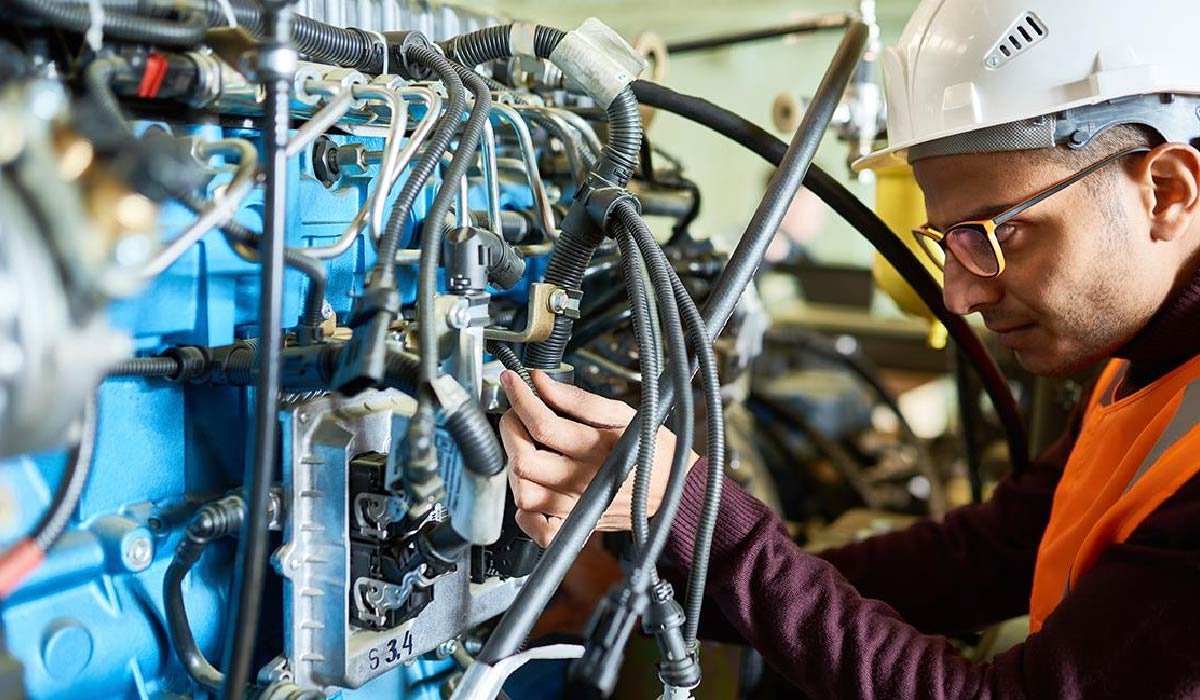
In modern industry, machinery performance directly affects productivity and efficiency, and reliable hydraulic components play a vital role in keeping operations running smoothly. By reducing downtime, preventing unexpected breakdowns, and lowering maintenance costs, dependable hydraulic systems help maintain consistent output across sectors such as manufacturing and construction. Though often overlooked, these components are essential to stable operations, allowing businesses to focus on innovation and growth rather than troubleshooting equipment failures.
Understanding Hydraulic Components
Hydraulic systems use pressurised liquid power to perform essential industrial tasks. The components and fluid dynamics behind them determine how efficiently the system operates.
Key Types of Hydraulic Components
In hydraulic systems, several components work together to keep operations running smoothly. Pumps generate hydraulic energy, valves control flow and direction, actuators convert energy into motion, and filters remove contaminants.
These components must be durable and reliable to handle high pressures. The choice of materials and design ensures they can operate under various conditions without failure. Each component plays a specific role, yet they must all work in harmony for the system to function efficiently.
How Hydraulic Systems Power Modern Industry
Hydraulic systems are integral to modern industry, providing the muscle needed for heavy machinery and equipment. In manufacturing, they enable precise control and immense power, allowing machines to lift, push, or mould materials with ease. The adaptability of hydraulics makes them ideal for construction, agricultural machinery, and aerospace applications, where high force and precision are required.
Efficiency is key, and hydraulic systems offer superior power density, meaning they deliver more power in a smaller package compared to other systems. This capability reduces the overall size of machinery without compromising on power, making hydraulics a preferred choice in crowded industrial spaces.
The Role of Fluid Dynamics in Hydraulics
Fluid dynamics is the cornerstone that defines how hydraulic systems function. Understanding fluid flow, pressure, and resistance is crucial to designing systems that maximise efficiency and minimise energy loss. The behaviour of fluids under pressure determines how hydraulic systems are engineered and how effectively they transfer energy.
To optimise performance, engineers study how fluids move through pumps, valves, and actuators. Adjustments to fluid viscosity and flow paths can significantly impact how a system responds under different loads. These principles ensure that hydraulic systems not only meet demanding industrial needs but also operate with minimal wastage, improving sustainability and reducing operational costs.
Why Reliability Matters in Hydraulic Systems
In the complex world of hydraulics, reliable components ensure smooth operations. They help prevent breakdowns, enhance safety, and lead to significant cost savings. Let’s explore these benefits further.
Minimising Downtime and Production Losses
Downtime can severely disrupt operations. When hydraulic systems stop, production can halt, causing delays and financial losses. Reliable components help keep processes running.
A dependable system minimises unexpected stoppages. By using high-quality parts, you reduce the need for frequent repairs, which keeps production lines running smoothly. This not only saves time but also ensures that product output meets demand, strengthening your business operations.
Safety Through Reliable Hydraulic Performance
Safety is an absolute priority in any industrial environment. Reliable hydraulic components minimise the risk of system failures that could lead to accidents. Unchecked leaks or pressure issues can pose dangers to operators and surrounding equipment.
Investing in dependable hydraulic parts ensures consistent performance without sudden malfunctions. This reliability fosters a safer workplace, instilling confidence among your team. With systems performing optimally, you can focus more on innovation and efficiency rather than emergency responses.
Cost Efficiency and Long-Term Savings
Reliable hydraulic components may cost more initially, but they reduce repair expenses, lost productivity, and safety risks linked to equipment failure.
By reducing the likelihood of frequent breakdowns, you extend the lifespan of your machinery. This longevity reduces replacements and major overhauls. Consequently, investing in reliability now sets your enterprise up for considerable savings in the future, allowing financial resources to be reallocated to growth and development areas.
Selecting and Maintaining Reliable Hydraulic Components
Reliable hydraulic components are essential for maintaining high productivity and reducing downtime in industrial applications. Choosing quality manufacturers and implementing regular maintenance checks are key steps in ensuring dependable operation. Additionally, understanding common failures helps in minimising unexpected issues.
Choosing Quality Hydraulic Manufacturers
When selecting hydraulic components, working with reputable manufacturers is crucial. Look for companies with robust track records, positive customer reviews, and a commitment to innovation. Verified certifications and industry standards compliance further assure quality. Consider exploring brands that emphasise durability and performance, as these parameters are vital in challenging industrial environments.
It’s beneficial to connect with suppliers who have extensive knowledge of various hydraulic systems. For instance, professionals from suppliers such as Hydrastore offer specialised guidance that can assist in selecting the best components tailored to your specific industrial needs. A direct line of communication with these experts ensures you have access to the latest advancements in hydraulic technology.
Maintenance and Inspection Best Practices
Keep hydraulic systems reliable through regular maintenance. Schedule inspections to check for leaks, unusual noises, and wear on hoses and seals.
Employ predictive maintenance techniques, like oil analysis, to catch potential issues early. Training your team on the importance of routine checks can extend the lifespan of your components and prevent sudden breakdowns. Consistent documentation of each maintenance activity aids in tracking system performance over time, highlighting areas needing attention or improvement.
Troubleshooting Common Hydraulic Failures
Understanding the typical causes of hydraulic failures can significantly reduce downtime. Common issues include fluid contamination, overheating, and component wear. Begin troubleshooting by checking the hydraulic fluid for any signs of contamination or discolouration, a primary cause of inefficiency.
Inspect pressure settings and filters regularly to avoid overheating. Having a solid grasp of these basic troubleshooting steps helps you address minor problems efficiently, allowing you to keep your projects on track. Accessing expert resources or consultants, when needed, ensures that larger system challenges are addressed professionally and thoroughly.
The Future of Hydraulic Technology in Industry
In the rapidly evolving industrial landscape, advancements in hydraulic technology are paving the way for more efficient, sustainable, and automated solutions. These developments enhance productivity while providing environmental benefits.
Innovations in Hydraulic Component Design
Innovations in hydraulic component design are transforming how industries operate. New materials and production processes are allowing for more compact, reliable, and energy-efficient components. 3D printing technology, in particular, is enabling rapid prototyping and customisation, which can reduce lead times and costs.
Another exciting development is the integration of smart sensors into hydraulic systems. These sensors provide real-time data on performance and potential faults, allowing for predictive maintenance. By catching issues before they arise, downtime and operational costs can be minimised.
Sustainability and Environmental Impact
Sustainability is increasingly important in hydraulic technology. A key development is biodegradable hydraulic fluid, which reduces contamination risks and breaks down more safely in the environment.
The shift towards more energy-efficient systems is also crucial. Modern hydraulic systems are designed to require less energy while delivering superior performance. By reducing energy consumption, businesses can lower costs and emissions. This aligns with global goals for reducing industrial impact on climate change.
The Growing Role of Automation in Hydraulics
Automation is revolutionising how hydraulic systems are implemented across industries. With automation, you can expect enhanced precision, consistency, and efficiency in operations. Hydraulics fitted with automated controls can self-adjust and optimise performance without human intervention.
Robotics and machine learning further amplify these benefits. Automated hydraulic systems can adapt to varying conditions, maintain optimal performance levels, and learn from previous actions. This adaptability is crucial for industries that face rapidly changing demands or operate under challenging conditions.
Incorporating automation not only boosts efficiency but also frees up human resources, allowing you to focus on other strategic aspects of your business.
Looking Ahead
Reliable hydraulic components remain fundamental to efficient industrial operations. From minimising downtime and improving safety to supporting automation and sustainability, dependable hydraulic systems enable businesses to maintain productivity and adapt to evolving technological demands. By prioritising quality components, proper maintenance, and forward-thinking design, industries can ensure their hydraulic systems continue to deliver consistent performance well into the future.