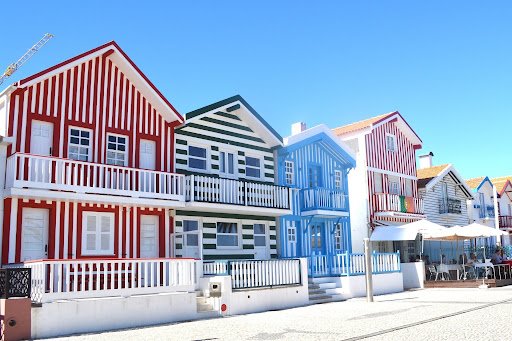
Portugal offers something surprisingly difficult to find within one relatively small country: cosmopolitan cities, Atlantic beaches, historic towns, island living and quiet countryside, all within a few hours of each other.
That variety is one reason international residents are spread across the country rather than concentrated in a single expat destination. The best places to live in Portugal for expats ultimately depend on whether the priority is career opportunities, international schools, affordable housing, beaches, retirement or a quieter lifestyle.
Here are some of the strongest options to consider.
Lisbon: Best for City Life and International Connections
Lisbon is the obvious starting point for expats who want a major European capital with an international atmosphere.
The city offers Portugal’s largest concentration of multinational companies, international schools, restaurants, cultural attractions and professional services. Lisbon Airport also provides extensive connections across Europe and to North America, Africa and other destinations.
Neighbourhoods such as Estrela, Campo de Ourique and Parque das Nações attract international residents looking for comfortable urban living.
The main disadvantage is housing. Lisbon is among Portugal’s most expensive rental and property markets, so newcomers should establish a realistic housing budget before deciding where to live.
Cascais: Best for Families and Coastal Living
Around 30 kilometres west of Lisbon, Cascais combines access to the capital with a relaxed Atlantic lifestyle.
It is particularly popular among international families because of its beaches, established expat community and proximity to international schools. Lisbon remains accessible by road and train, while the nearby Sintra-Cascais Natural Park provides opportunities for hiking, cycling and other outdoor activities.
Housing can be expensive, particularly in central Cascais, Estoril and premium coastal locations. For families with sufficient budgets, however, Cascais provides one of Portugal’s strongest combinations of lifestyle and infrastructure.
For non-EU nationals planning to establish genuine residence in Portugal using pension or other qualifying passive income, the Portugal D7 residence visa is one route worth considering when planning the relocation.
Porto: Best Alternative to Lisbon
Porto offers urban life on a smaller scale.
Portugal’s second-largest city combines historic architecture and a strong cultural identity with universities, technology companies, restaurants and an increasingly international population.
Property and rental prices vary significantly by neighbourhood, but Porto can offer alternatives to the higher costs associated with prime areas of Lisbon and Cascais.
The climate is noticeably different. Northern Portugal is cooler and wetter than Lisbon or the Algarve, especially in winter. Some expats like this seasonal variation; others come to Portugal for the warmer weather.
Porto is worth a serious look for professionals and families seeking city amenities without the capital.
Algarve: Ideal for Sunshine and Retirement
The Algarve has been a popular destination for international residents for decades and is still one of the most established expat hotspots in Portugal.
The Algarve lifestyle is represented in different forms in the towns of Lagos, Tavira, Albufeira, Vilamoura and the Loulé region. Some are busy tourist destinations, while others provide quieter residential environments.
The region is particularly attractive to retirees and people who prioritise beaches, golf and outdoor living. Faro Airport provides convenient international connections, particularly to the UK and northern Europe.
However, the Algarve should not be treated as a single property market. Prices, tourism levels and the availability of year-round services can vary considerably between locations.
Silver Coast: Best for Quieter Coastal Living
For people attracted to the Portuguese coast but looking beyond Lisbon and the Algarve, the Silver Coast can be an interesting alternative.
Areas such as Caldas da Rainha, Óbidos, São Martinho do Porto and Nazaré provide access to beaches and smaller communities while remaining relatively well connected to Lisbon.
The region attracts retirees, families and remote workers who want more space and a slower pace of life.
Property can also offer better value than prime locations around Lisbon, Cascais or the central Algarve, although prices depend heavily on proximity to the coast and individual towns.
Braga: Best for a Smaller Portuguese City
Braga is one of the strongest choices for expats who want city infrastructure without the scale of Lisbon or Porto.
Located in northern Portugal, it has a large student population, growing technology sector and historic centre. Everyday life generally feels more traditionally Portuguese than in heavily international areas such as central Lisbon or the Algarve.
The city can appeal to families, younger professionals and remote workers who do not need to live close to Portugal’s largest international airports.
As with Porto, the northern climate means more rain and cooler winters than southern Portugal.
Madeira: Best for Island Living
Madeira provides a completely different experience.
Funchal offers restaurants, healthcare, shopping and an international community within an island known for dramatic landscapes and a mild climate. Other areas such as Ponta do Sol and Calheta are popular with remote workers and people seeking quieter coastal living.
Madeira is particularly attractive to people who value nature and outdoor activities but still want access to European infrastructure.
The obvious compromise is geography. Flights are required for travel to mainland Portugal, so frequent travellers should consider whether island living suits their routine.
Choosing Where to Live Before Investing
Some international residents combine relocation planning with a broader investment strategy, but the two decisions should be considered separately.
The neighbourhood that works best for everyday life is not necessarily the same place or asset that makes sense financially.
Portugal also maintains a residence-by-investment program, although qualifying real estate purchases are no longer eligible for the Golden Visa. Investors considering this route can instead examine options such as qualifying Portugal Golden Visa investment funds alongside other permitted investment categories.
This distinction is important for anyone simultaneously considering property, residency and investment.
Conclusion
The best places to live in Portugal for expats depend much more on lifestyle than on any national ranking.
Lisbon provides international city life, Cascais combines family-friendly coastal living with proximity to the capital, and Porto offers a smaller urban alternative. The Algarve remains a favourite for sunshine and retirement, while the Silver Coast and Braga appeal to people seeking a quieter or more affordable environment. Madeira offers an entirely different island lifestyle.
Before choosing a location, spending time in several regions is worthwhile. Portugal may be small geographically, but daily life in central Lisbon, a village on the Silver Coast and a coastal town in the Algarve can feel remarkably different.