Most people have heard of B vitamins, but benfotiamine remains one of the lesser-known yet remarkably effective members of that family. It is a fat-soluble synthetic derivative of thiamine — vitamin B1 — and this single structural difference changes everything about how the body absorbs and uses it. While standard thiamine is water-soluble and passes through tissues quickly, benfotiamine lingers longer and penetrates cells more effectively, making it a compelling option for anyone who needs sustained thiamine support.
Interest in benfotiamine supplement options has grown considerably among people managing blood sugar concerns, nerve discomfort, and general metabolic wellness. Researchers have studied it extensively in the context of diabetic complications, where oxidative stress and advanced glycation end products do significant damage to nerves and blood vessels. What makes benfotiamine particularly valuable is its ability to redirect glucose metabolism through pathways that generate less cellular damage. For people who want a thiamine source that actually reaches where it needs to go, this compound offers a clear advantage over the conventional form. Brands like iLoveHealth have brought high-potency formulations to market that make consistent supplementation practical and straightforward.
How Benfotiamine Differs from Standard Thiamine
Thiamine in its traditional form — thiamine hydrochloride or thiamine mononitrate — is absorbed through active transport mechanisms in the intestine. This process is saturable, meaning the body can only take up so much at once regardless of how much you consume. Once absorbed, it distributes through the body in its water-soluble form and is excreted relatively quickly through urine.
Benfotiamine works differently at a fundamental level. Its open-ring structure allows it to pass through cell membranes via passive diffusion rather than relying on transporter proteins. This means cellular uptake is not capped the way it is with standard thiamine. Once inside the cell, the open ring closes and benfotiamine converts into active thiamine pyrophosphate — the biologically functional form that enzymes need to do their work.
Clinical research comparing the two forms has consistently shown that benfotiamine produces blood and tissue thiamine levels several times higher than equivalent doses of standard thiamine. Studies measuring thiamine pyrophosphate in red blood cells after supplementation found that benfotiamine outperformed thiamine hydrochloride by a substantial margin. For conditions where thiamine deficiency in peripheral tissues is a contributing factor, this difference is not trivial — it translates directly into greater functional support where the body needs it most.
Key Benefits Supported by Research
Nerve Health and Diabetic Neuropathy
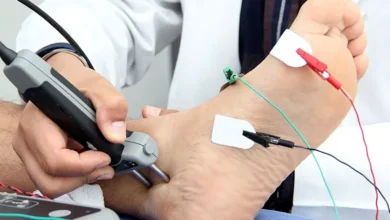
Perhaps the most thoroughly studied application of benfotiamine is in diabetic peripheral neuropathy — the nerve damage that affects hands and feet in people with long-standing high blood sugar. Multiple randomized controlled trials have examined whether benfotiamine supplementation can reduce the tingling, burning, and numbness that characterize this condition. The evidence is encouraging: participants taking benfotiamine reported meaningful improvements in symptom scores over the course of several weeks, and nerve conduction studies in some trials showed objective improvements as well.
The mechanism behind these benefits connects directly to how benfotiamine handles glucose metabolism. High blood sugar promotes the formation of advanced glycation end products and activates harmful pathways including the polyol pathway, hexosamine pathway, and protein kinase C activation. Benfotiamine activates transketolase, an enzyme that redirects glucose away from these damaging routes and into the pentose phosphate pathway, where it can be used constructively without generating oxidative byproducts. This is not symptom management — it addresses a root metabolic problem that contributes to nerve damage in the first place.
Cardiovascular and Endothelial Support
Beyond nerve tissue, the endothelium — the thin layer of cells lining blood vessels — is particularly vulnerable to glycation damage. Benfotiamine’s ability to suppress advanced glycation end product formation has led researchers to explore its potential for protecting vascular health in people with metabolic disorders. Early studies suggest it can reduce markers of endothelial dysfunction and decrease circulating AGE levels in diabetic patients. While this research is still developing, the biological plausibility is strong given the compound’s established mechanism of action.
Cognitive Function and Brain Thiamine Levels
Thiamine is essential for several enzymatic processes involved in energy production within neurons, and thiamine deficiency is well-known to cause serious neurological conditions. Even subclinical deficiency may impair cognitive function over time. Animal studies have explored benfotiamine’s potential to raise brain thiamine levels and reduce amyloid-related markers. Human research is more limited, but the compound’s superior tissue penetration makes it a logical candidate for studies targeting cognitive aging, and some early clinical work has yielded promising signals worth watching.
Who Should Consider Benfotiamine
People with type 2 diabetes or prediabetes represent the most studied population for benfotiamine supplementation, particularly those experiencing early signs of peripheral neuropathy. However, the compound also has relevance for several other groups. Heavy alcohol consumers are at significant risk for thiamine deficiency because alcohol impairs both absorption and utilization of the vitamin. Standard thiamine supplementation is commonly used in clinical settings for this population, and benfotiamine’s higher bioavailability makes it an appealing alternative.
Individuals taking metformin for blood sugar management may also benefit, as this medication has been linked to reduced thiamine levels in some research. Older adults absorb thiamine less efficiently as a general consequence of aging, making higher-bioavailability forms more useful. And people following plant-based diets may find their thiamine intake from food sources falls short of optimal, particularly if they eat a lot of raw vegetables that contain thiaminase — an enzyme that degrades thiamine before absorption.
Athletes interested in energy metabolism are another group worth mentioning. Thiamine plays a central role in converting carbohydrates into usable energy through pyruvate dehydrogenase and alpha-ketoglutarate dehydrogenase — two enzyme complexes that require thiamine pyrophosphate as a cofactor. While clinical thiamine deficiency is rare in otherwise healthy athletes, optimizing levels through a high-bioavailability form could theoretically support sustained energy production during intense training periods.
Dosage Considerations and Practical Use
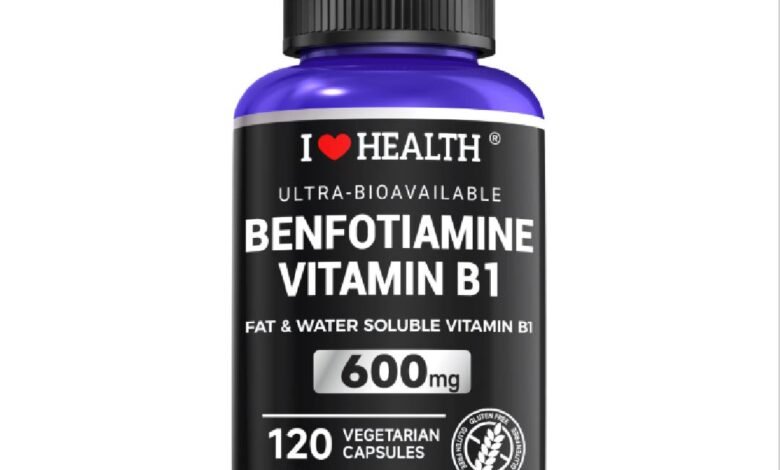
Clinical trials on diabetic neuropathy have typically used daily doses ranging from 150 mg to 600 mg, divided across multiple intakes. The iLoveHealth Mega Benfotiamine formulation provides 250 mg per capsule, which aligns with doses used in the research literature. Most studies use single or divided daily doses, and there is no established evidence that very high doses produce proportionally greater benefit — consistency over time appears to matter more than peak dose.
Benfotiamine is generally well-tolerated in clinical research populations. No serious adverse effects have been documented at standard supplemental doses, and it has been studied for periods ranging from several weeks to over a year without safety concerns emerging. As with any supplement affecting metabolic pathways, people managing diabetes or taking medications should discuss use with their healthcare provider, particularly to monitor whether blood sugar management changes as a result.
Taking benfotiamine with food is a practical approach for most people. Although its fat-soluble nature means it does not require fat in the same way that vitamin D or K do, consuming it alongside a meal supports digestive comfort and creates a consistent daily habit. Morning dosing with breakfast tends to work well for most supplementation schedules, though the timing is less critical than consistency.
Choosing a Quality Benfotiamine Product
The supplement market offers benfotiamine in capsule and tablet forms, with potencies varying widely from around 80 mg to 300 mg per serving. When evaluating products, third-party testing for purity and potency is an important criterion — benfotiamine should appear as the listed active ingredient without unnecessary fillers or potentially reactive excipients. Vegetarian capsule formulations are preferable for those avoiding animal-derived gelatin.
Mega benfotiamine supplement formulations at 250 mg per vegetarian capsule represent a practical middle ground between low-dose maintenance products and the higher doses used in clinical research. The 120-capsule count in some products provides a four-month supply at one capsule daily, which is a reasonable trial period to assess personal response. Labels should clearly state the form of benfotiamine — not just “vitamin B1” — since the two compounds behave quite differently in the body.
Benfotiamine’s Case for Smarter Thiamine Support
The case for benfotiamine over standard thiamine rests on solid ground: superior absorption, deeper tissue penetration, and a well-studied mechanism that tackles oxidative and glycation damage at the metabolic level. For people managing blood sugar, nerve discomfort, or simply looking for a more bioavailable B1 source, it offers real advantages that standard thiamine hydrochloride cannot match. The research base continues to grow, particularly in neurological and cardiovascular applications, and what exists today already provides a compelling rationale for its use. Choosing a well-formulated, appropriately dosed product from a transparent brand remains the most practical way to put this science to work.