In permanent makeup artistry, the needle cartridge is where intention meets skin. It’s the final point of contact between an artist’s vision and the client’s face, making it arguably the most critical supply choice a PMU professional makes daily. Yet for many artists—especially those building or expanding their practice—the sheer variety of cartridge systems, needle configurations, and brand claims creates genuine confusion. Which cartridges work with which machines? How do you balance quality with cost? What truly separates a safe needle from a risky one?
The universal fit needle cartridge system has emerged as a practical answer to many of these challenges, offering machine flexibility without sacrificing performance. This guide is designed to cut through the noise and serve as a definitive resource for PMU professionals navigating their cartridge choices. Whether you’re selecting needle cartridges for PMU procedures like delicate hairstrokes or full lip blush, you’ll find actionable insights here on compatibility, safety standards, needle configurations, and a clear decision-making framework that protects both your artistry and your clients.
Understanding the Universal Fit System for Tattoo Needle Cartridges
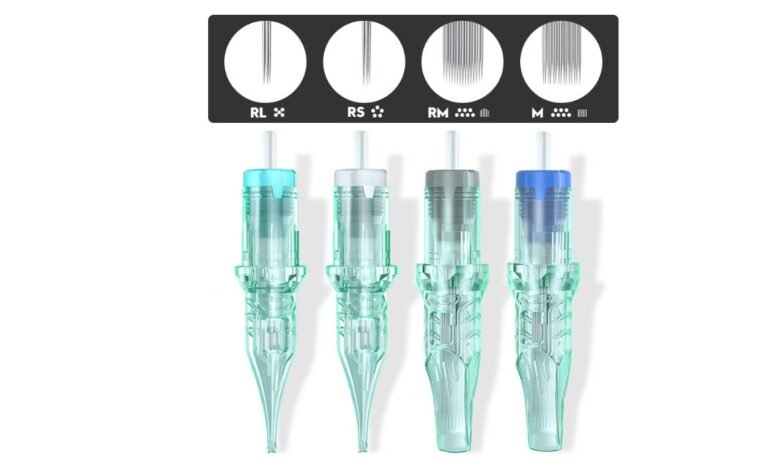
A universal fit system refers to needle cartridges engineered to connect with the widest possible range of PMU and tattoo machines, rather than being locked into a single manufacturer’s proprietary design. While brand-specific cartridges require you to purchase needles exclusively from your machine’s maker, universal fit cartridges use standardized connection mechanisms—most commonly a standard drive bar post or a fingertip-style grip interface—that slot into rotary pen machines from dozens of different manufacturers. The underlying principle is simple: by adhering to widely adopted dimensional standards for the cartridge housing, plunger bar length, and grip diameter, these cartridges create interoperability across your equipment collection.
The advantages of this approach are immediately practical. Artists who own multiple machines—perhaps one for brow work and another for lip procedures—no longer need separate cartridge inventories for each device. This flexibility extends to experimentation: if a colleague recommends a new machine, you can test it without investing in an entirely new needle supply chain. Inventory management becomes straightforward when one cartridge type serves your entire toolkit, and bulk purchasing from a single source often yields meaningful cost savings over time.
That said, “universal” doesn’t always mean perfectly identical performance across every machine. Minute variations in needle protrusion depth, cartridge housing tolerance, or the tension of the internal membrane can create subtle differences in how a cartridge feels on different devices. Responsible artists should always cross-reference their machine manufacturer’s recommendations regarding third-party cartridge use, and test any new cartridge-machine pairing on practice skin before client work. Some machines may require a slight adjustment to needle depth or stroke length to achieve optimal results with a universal cartridge—a small calibration step that protects both precision and safety.
Compatibility and Core Benefits
The primary benefits of universal fit cartridges compound over time. Reduced equipment costs come first—you’re no longer paying premium prices for proprietary needles when comparable quality exists in universal options. Second, easier experimentation with machines accelerates your professional development; you can attend a training class using an unfamiliar device and still work with needle configurations you already trust. Third, simplified ordering means fewer supplier relationships to manage and fewer chances of running out of a critical needle type mid-week.