Entering a Malaysian home usually offers a welcome respite from the equatorial heat. This immediate relief often masks a relentless environmental struggle happening right underfoot.
Floors endure constant physical pressure. They are the most vulnerable part of any interior space. These forces gradually compromise materials that lack the necessary resilience.
Invisible to the eye, Malaysian air maintains a consistent humidity of 80% year-round. This heavy atmospheric weight dictates how surfaces age over time. Lasting quality depends on technical insight rather than mere style. Material science must guide every responsible design choice.
Top 6 Environmental Factors Influencing Floor Integrity in Malaysia
The Equilibrium Moisture Content Challenge
Moisture is a constant part of the environment. Organic materials like solid oak or merbau naturally trap moisture. These woods absorb moisture from the air until they reach equilibrium. This process causes the internal fibres to expand. It often leads to visible warping or cupping.
Many property owners now opt for high-quality vinyl flooring Malaysia because it is made from inorganic compounds. Materials such as Stone Plastic Composite (SPC) represent a significant technological shift. This synthetic nature prevents the floor from reacting to the heavy air.
Monsoon humidity can be highly intense. Even then, the planks remain robust and stable. These composite materials do not absorb liquid or swell. Going with moisture-resistant options helps ensure prolonged durability in tropical homes.
Temperature Shifts and Surface Stability
Temperature contrasts between indoor and outdoor environments affect surface stability. Most modern homes utilise air conditioning to manage the equatorial heat. This creates a continuous cycle of cooling and heating within the living space.
Materials expand in heat and shrink in the cold. Gradually, this can lead to cracked grout in tiles or gaps in traditional timber laminate. Choosing a material with high dimensional stability provides a practical solution. Resilient vinyl tiles remain largely immune to these thermal fluctuations.
This flooring category maintains its shape regardless of indoor temperature. These engineered cores put forth the stability needed to handle the rapid changes in the indoor climate without shifting or buckling.
Hydrostatic Pressure and Rising Damp
Ground-floor units face a unique challenge from rising dampness. Moisture from the earth often seeps through the porous concrete subfloor gradually. This hydrostatic pressure can push against the underside of the flooring.
This pressure often leads to adhesive failure or the rotting of organic underlays. High-performance resilient floors act as a functional moisture barrier. They do not trap moisture or degrade when in contact with the concrete slab. This shield is vital for maintaining a healthy and dry living environment in landed properties.
Surface Maintenance and Frequent Cleaning
Local cleaning habits often involve frequent wet mopping. This is a practical necessity to remove the fine dust and stickiness common in tropical areas. However, excess water is the primary enemy of many traditional floor types.
Liquid can easily seep into the seams of wood-based floors, causing the core to swell. Resilient composite planks are designed to solve this specific issue. They can handle deep cleaning and spills without causing internal damage. This easy maintenance helps the floor last longer.
The Risk of Biological Decay and Pests
Pests and fungi thrive in warm, humid climates. Termites, in particular, are a common concern locally. They specifically target materials containing cellulose. This includes MDF-core laminates or engineered wood with plywood bases.
The threat is more common than many realise. Research indicates that termite damage affects a significant number of homes in high-risk tropical zones nationwide. Hence, choosing inorganic surfaces removes this vulnerability entirely. Materials such as synthetic vinyl and stone-polymer composites contain no wood fibres. This makes the floor an unattractive option for pests. It also prevents mould from taking root beneath the surface during the damp monsoon months.
Ultraviolet Degradation and Equatorial Sunlight
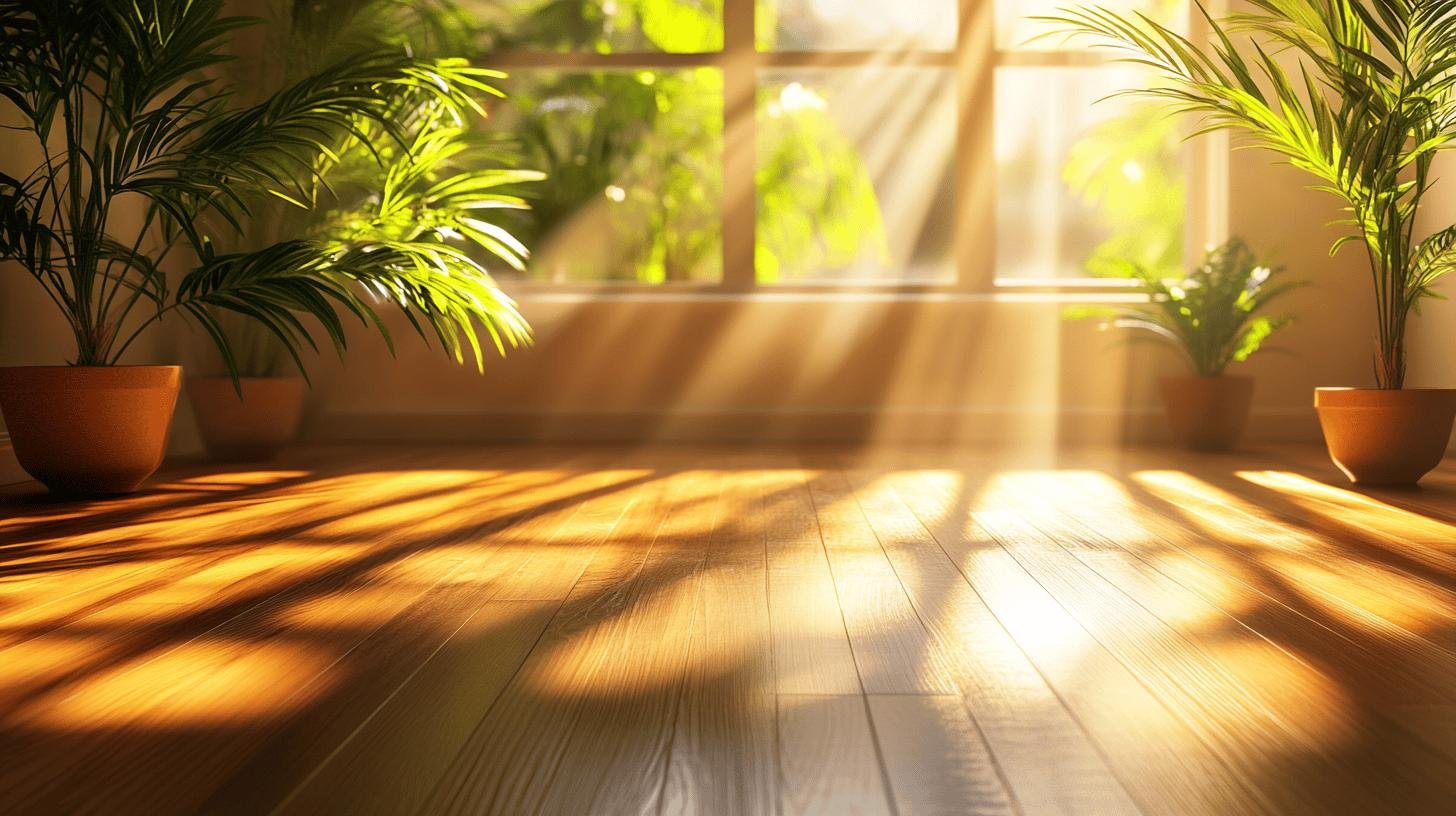
Tropical sunlight is a relentless force. It pours through windows and bakes every surface for hours. This constant UV exposure is brutal on natural materials. It drains the deep colour from walnut and rugs. The room’s original character slowly fades until it vanishes completely.
This solar bleaching can cause uneven patches that disrupt a room’s overall look. Even certain dyed ceramic tiles may lose their lustre over time. Modern flooring technology has introduced high-grade protective layers to help. These finishes act like a permanent sunscreen for the floor. High-quality vinyl planks and treated composites are specifically designed to resist this fading. They maintain the interior’s crisp appearance despite constant exposure to equatorial sunlight.
Conclusion
Well, longevity is never an accident. It comes from matching materials science to local realities. Malaysia’s humidity and heat are the ultimate judges. Choosing resilient materials shields any investment for decades. Carefully evaluate technical durability to ensure that every surface in the home remains functional and aesthetically pleasing for years.