

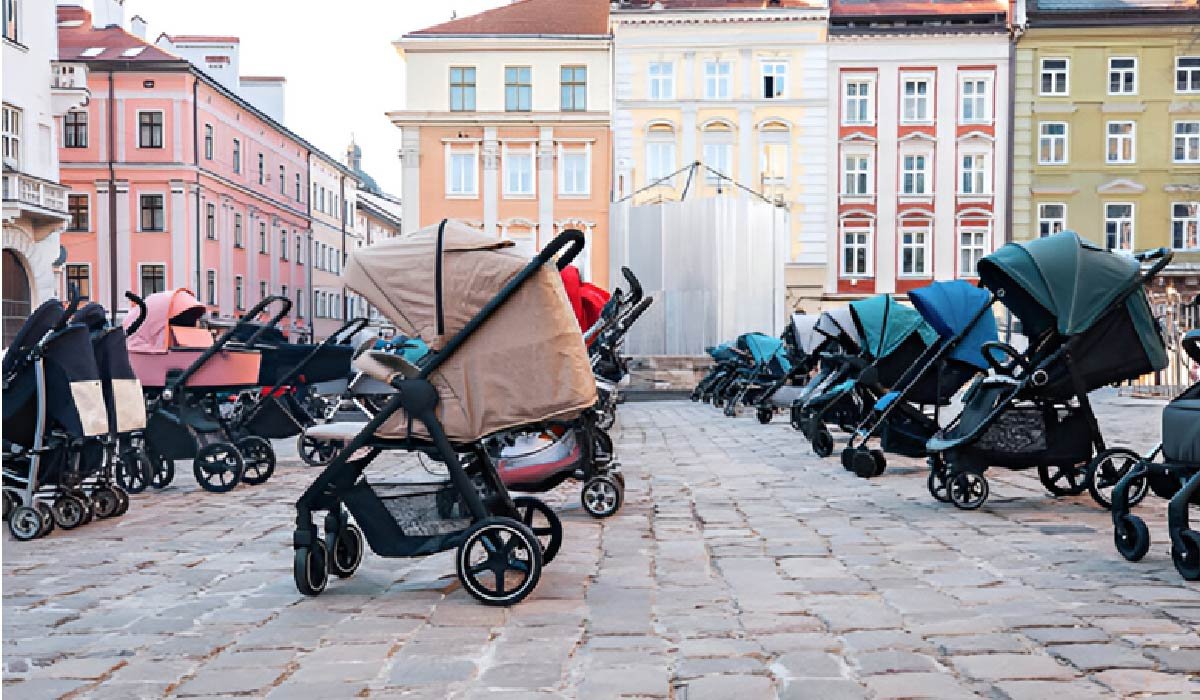
Sustainability is no longer just a trend—it has become a priority for many modern families. Parents today are more aware of how their purchasing decisions affect not only their children but also the world those children will grow up in. This mindset is strongly influencing the baby products industry, especially when it comes to baby strollers.
A stroller is one of the most used baby items during early childhood. Because of its frequent use and long lifespan, parents increasingly expect strollers to be made responsibly, with durability and environmental impact in mind. As a result, sustainable manufacturing is playing a growing role in how modern strollers are designed and produced.
Why Sustainability Matters to Modern Parents
Parenting naturally brings a future-focused mindset. Many parents think beyond immediate convenience and consider the long-term effects of their choices. Sustainability aligns closely with this perspective.
Parents are now asking questions such as:
- How long will this product last?
- Is it made from safe and responsible materials?
- Will it create unnecessary waste over time?
These concerns have shifted attention toward manufacturing practices rather than just product appearance or price.
What Sustainable Manufacturing Means in Baby Strollers
Sustainable manufacturing does not mean sacrificing quality or safety. In fact, it often improves both. In the stroller industry, sustainability focuses on creating products that are durable, safe, and responsibly produced.
Key elements of sustainable stroller manufacturing include:
- Using long-lasting materials
- Reducing unnecessary components
- Designing for extended product life
- Minimizing waste during production
This approach benefits families by providing reliable products while reducing environmental impact.
Durability as a Core Sustainability Principle
One of the most important aspects of sustainability is durability. A stroller that lasts longer reduces the need for replacements, which helps lower overall waste.
High-quality manufacturing ensures:
- Frames remain strong over time
- Wheels maintain performance
- Fabrics withstand repeated cleaning
- Folding mechanisms continue to work smoothly
Parents who understand this often research the background of a baby stroller manufacturer to ensure that durability is a design priority, not an afterthought.
Many families explore brand values and manufacturing philosophy through trusted platforms like bebluxbaby.com, where long-term quality and responsible production are clearly emphasized.
Material Choices and Environmental Responsibility
Material selection plays a major role in sustainable manufacturing. Responsible stroller production focuses on materials that are safe for babies and less harmful to the environment.
Common sustainability-focused material choices include:
- Non-toxic fabrics and finishes
- Lightweight yet strong frame materials
- Easy-to-clean textiles that extend usability
- Components designed for long-term wear
These materials improve safety while supporting responsible consumption.
Safety and Sustainability Go Hand in Hand
Some parents worry that sustainability might compromise safety, but the opposite is often true. Products designed to last longer and perform consistently tend to be safer over time.
Sustainable manufacturing encourages:
- Stronger structural design
- Better quality control
- Reduced risk of early wear or failure
Parents often feel more confident choosing products from a professional baby stroller manufacturer that integrates safety and sustainability into the same production philosophy.
Reducing Waste Through Thoughtful Design
Thoughtful design is essential for sustainability. Strollers that adapt to different stages of childhood or multiple use scenarios reduce the need to purchase additional products.
Examples of waste-reducing design include:
- Adjustable seating positions
- Modular accessories
- Durable frames suitable for long-term use
By focusing on flexibility and longevity, manufacturers help families reduce unnecessary consumption.
Manufacturing Efficiency and Resource Use
Sustainability also involves how resources are used during production. Efficient manufacturing processes aim to reduce excess material use and energy waste without affecting product quality.
Responsible production practices may include:
- Streamlined assembly processes
- Reduced packaging waste
- Better material planning
- Long-term production consistency
These practices contribute to a smaller environmental footprint while maintaining high standards.
Why Parents Value Transparent Manufacturing
Transparency has become an important factor in sustainable purchasing decisions. Parents want to understand how products are made and what values guide production.
A dependable baby stroller manufacturer that communicates clearly about quality and responsibility builds trust with families. Many parents prefer brands that openly discuss durability, materials, and manufacturing priorities.
Transparency allows parents to align their purchasing choices with their personal values.
Sustainability and Long-Term Family Use
Many families plan to use the same stroller for more than one child or pass it along within the family. Sustainable manufacturing supports this by creating products that hold up over time.
Benefits of long-term use include:
- Reduced overall cost
- Less waste generation
- Consistent safety and comfort
A well-made stroller becomes a reliable companion throughout multiple stages of parenting.
Innovation Supporting Sustainable Goals
Innovation plays a key role in achieving sustainability. Manufacturers continue to develop smarter designs that reduce material use while improving performance.
Recent innovations may include:
- Lightweight yet strong construction
- Simplified folding mechanisms
- Improved wheel systems for durability
- Modular designs that extend usability
These innovations are driven by real-world needs and environmental awareness.
Making a Sustainable Choice as a Parent
Choosing a sustainable stroller involves more than reading labels. Parents should look for signs of thoughtful design, durability, and responsible manufacturing.
Helpful considerations include:
- How long the stroller is designed to last
- Quality of materials and construction
- Brand transparency and values
- Safety performance over time
Evaluating these factors helps parents make informed, responsible decisions.
The Bigger Impact of Sustainable Baby Products
Every sustainable purchase contributes to a larger positive impact. When parents choose durable and responsibly made products, they support better industry practices and reduce environmental strain.
Sustainable stroller manufacturing reflects a shift toward mindful parenting—one that balances child comfort, safety, and environmental care.
Final Thoughts
Sustainability is shaping the future of baby stroller manufacturing in meaningful ways. By focusing on durability, responsible materials, and thoughtful design, modern manufacturers are creating products that support both families and the environment.
Parents who choose sustainably manufactured strollers invest in long-term value, safety, and peace of mind. These choices help create a better future—not only for their children but for the world those children will inherit.