
Are your warehouse operations being slowed down by the wrong equipment—or worse, no equipment at all?
The right material handling equipment reduces labour strain, speeds up throughput, improves safety, and makes better use of your space. The wrong kit costs you time, money, and staff injuries. Define your loads, routes and constraints first, then match equipment to need—not habit.
Most warehouse managers inherit what’s always been there: a mix of ageing pallet trucks, maybe a shared forklift, and lots of manual handling that “just gets done.” But warehouse operations have changed—higher throughput, tighter margins, and shorter SLAs. Choosing the right material handling equipment isn’t just operational—it’s strategic.
Here’s how to get it right, first time.
- Map your loads, movements and pain points
Before picking a machine, understand what needs moving and how. Start with:
- Load types: pallets, crates, boxes, drums, oversized items
- Weights and dimensions: especially max/min ranges
- Movement frequency: one-off vs constant pick/pack
- Travel paths: including aisle widths, doorways and ramps
- Lift heights required: for racking or mezzanines
This defines the spec you’ll need—and often reveals opportunities to cut time and reduce manual handling risks.
- Match the equipment to the task—not tradition
Too many operations overuse a forklift for jobs it’s not designed for. Instead, consider the right tool for the job:
| Task Type | Best Equipment Option |
| Short pallet moves | Manual or electric pallet truck |
| Lifting to mid-height racks | Electric stacker |
| Unloading/loading vans | Sack trucks, lift tables |
| Handling drums or odd loads | Drum lifters or platform trucks |
| Frequent narrow aisle work | Reach trucks or compact stackers |
Hiring means you can trial and rotate the right tools as your layout or load profiles change.
- Consider your space and floor type
Narrow aisles, low doorways, or fragile flooring can make certain equipment a liability. Measure:
- Aisle widths and turning space
- Floor load ratings or surfaces
- Any gradients, thresholds or pits
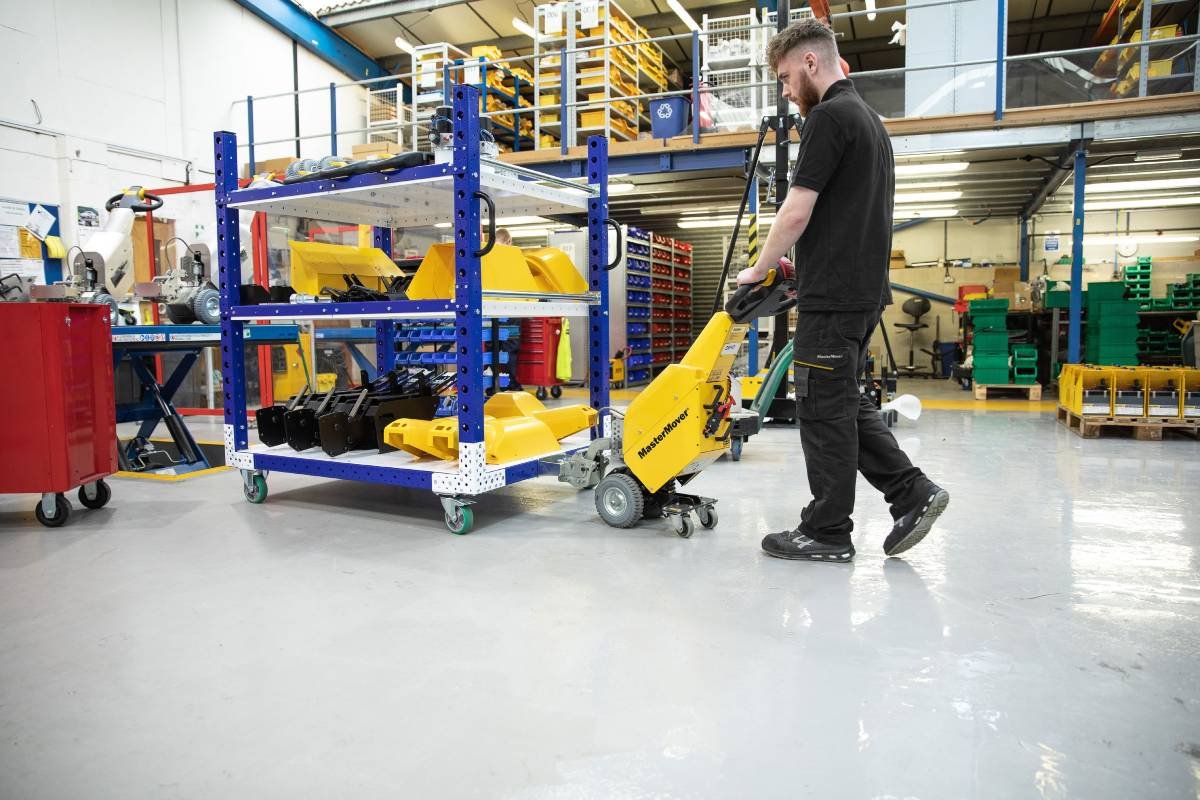
Compact electric stackers or low-profile pallet movers may be safer and more efficient than bulkier gear.
- Factor in operator fatigue and safety
Manual handling injuries are still one of the UK’s most common workplace risks. Using mechanical aids where possible not only protects staff—it boosts productivity too. Look for:
- Ergonomic features – adjustable handles, powered lifts
- Anti-roll brakes, speed limiters, overload protection
- Low-effort controls for repetitive tasks
Don’t forget: even with small equipment, a quick safety briefing or familiarisation session helps reduce misuse.
- Hire for flexibility, service, and zero maintenance burden
Buying outright can be tempting—but it ties up capital, adds servicing complexity, and often locks you into one type of equipment. Hiring through a trusted partner like FESS Hire offers:
- Short or long-term hire
- Rapid swap-outs or upgrades
- No servicing or repair costs
- Access to the right equipment for each job phase
- Nationwide delivery and 24/7 support
Hiring also avoids downtime from ageing kit and keeps you focused on moving goods—not managing breakdowns.
Quick checklist: choosing your handling equipment
- Have you mapped your typical load types and sizes?
- Do you know your aisle widths, clearances and floor conditions?
- Are you lifting to racks, mezzanines or vehicles?
- Could operator fatigue or injuries be reduced with better tools?
- Do you need flexibility for seasonal peaks or layout changes?
For a helpful visual breakdown of manual handling risk and safe equipment choices, the HSE offers clear, non-commercial guidance here: HSE Manual Handling at Work
FAQs
- What’s the most common mistake when choosing warehouse equipment?
Using a forklift as a catch-all tool. It’s often oversized for indoor tasks and causes congestion or unnecessary risk. - Can I try different types of equipment before committing to long-term hire?
Yes. FESS Hire offers flexible short-term trials so you can test what works in your space without the commitment. - Is operator training required for all material handling tools?
Not always. Many smaller devices don’t need formal training, but powered equipment should only be used by trained staff. We’ll advise what’s needed. - Do you offer maintenance support during hire?
Absolutely. All our handling equipment is serviced before delivery, and our team is on call for any issues that arise during hire. - How fast can you deliver to our site?
Most orders can be delivered same-day or next-day, depending on location and availability. We also offer emergency out-of-hours support where needed.
Ready to move smarter—not harder?
Don’t settle for outdated or oversized equipment that slows your warehouse down.
Contact FESS Hire today to get expert advice, flexible hire options, and the right material handling tools to boost your warehouse efficiency from day one.