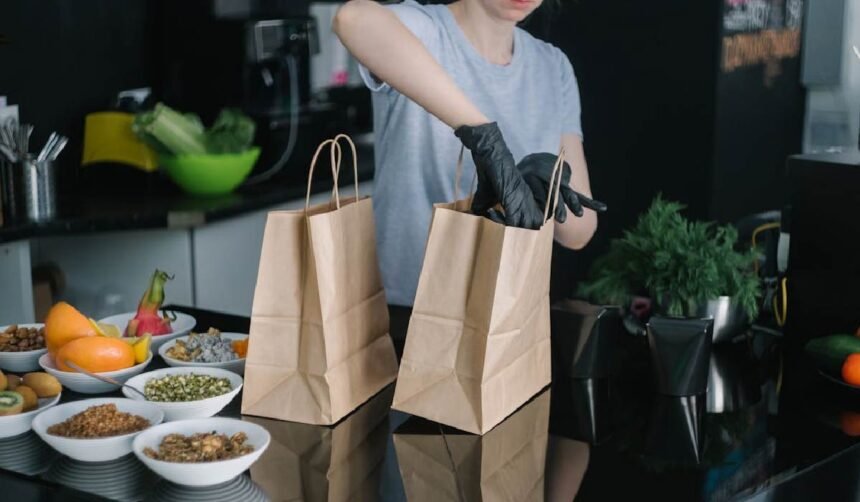
Running a successful food business in Australia requires a delicate balance between culinary excellence and operational efficiency. When a customer orders a croissant from a boutique bakery in Melbourne or a hearty burger from a coastal takeaway shop, the physical hand-off is the final touchpoint of their experience. Ensuring that your food arrives in perfect condition often starts with choosing a reliable Uber Eats delivery bag or a high-quality paper carrier that reinforces your brand’s commitment to excellence. Selecting the right packaging is not just a logistical necessity; it is a strategic decision that affects food integrity, customer satisfaction, and your bottom line.
The Importance of Premium Packaging in the Australian Market
The Australian hospitality industry is highly competitive. With a diverse range of cafés, bakeries, and grocery stores vying for consumer attention, presentation has become a key differentiator. High-quality takeaway bags serve as a mobile billboard for your business. As customers walk through busy shopping precincts or office towers carrying your branded packaging, they are inadvertently marketing your products to every passerby.
Beyond aesthetics, the functional aspect of a bag cannot be overlooked. Australia’s climate and lifestyle mean that takeaway food often travels long distances, whether it is being carried to a local park for a picnic or delivered via a courier service. If a bag is too thin, it may tear under the weight of a heavy sourdough loaf or a stack of coffee cups. If it lacks proper ventilation, crispy pastries can become soggy. Therefore, investing in the right materials is essential for maintaining the quality of the food you worked so hard to prepare.
Material Matters: Paper vs. Plastic
For most modern Australian businesses, the shift toward paper packaging is no longer optional. With increasing state and territory regulations regarding single-use plastics, paper has emerged as the gold standard for cafés and bakeries.
Paper bags offer a premium feel that plastic simply cannot replicate. They provide a sturdy structure that helps protect delicate items like tarts, cakes, and muffins. Furthermore, paper is breathable, which is crucial for fried foods or warm baked goods. When steam is trapped inside a non-breathable bag, it turns into moisture, ruining the texture of the food. High-quality paper bags, such as those made from kraft paper, offer the durability needed to carry multiple items while keeping the contents fresh and crisp.
Finding the Right Size and Shape
One of the most common mistakes business owners make is using a “one size fits all” approach to packaging. Using a bag that is too large for a single pastry is wasteful and increases your cost per unit. Conversely, stuffing too many items into a small bag risks damage to the food and creates a poor impression for the customer.
When selecting bags for your café or bakery, consider the following categories:
- Flat Bags: These are ideal for single serves, such as a single cookie, a slice of cake, or a small pastry. They are cost-effective and take up minimal storage space behind the counter.
- Gusseted Bags: These bags have pleated sides that expand, making them perfect for bulkier items like loaves of bread or multiple croissants.
- SOS (Self-Opening Satchel) Bags: These stand upright on their own, which is incredibly helpful during a busy morning rush. Staff can easily pack items without needing to hold the bag open, increasing service speed.
- Die-Cut Handle Bags: For larger orders or grocery items, bags with reinforced handles provide comfort for the customer and extra security for heavier loads.
Balancing Cost-Efficiency with Presentation
Every cent counts in the hospitality industry. While it might be tempting to opt for the cheapest possible packaging, this often leads to higher costs in the long run. Cheap bags are prone to breaking, which results in wasted food and potentially unhappy customers who may demand a refund or leave a negative review.
To achieve cost-efficiency without sacrificing quality, consider buying in bulk. Established suppliers across Australia offer tiered pricing that rewards larger orders. Additionally, look for “multi-purpose” designs. If one specific size of a medium-handled bag can accommodate your lunch combos, your breakfast sets, and your retail coffee beans, you can reduce the number of unique stock-keeping units you need to manage. This streamlines your inventory and ensures you always have the right packaging on hand.
Enhancing the Customer Experience
High-quality packaging is an extension of your customer service. When a customer receives their order in a clean, sturdy, and well-designed bag, it communicates that you value their business. For bakeries, this might mean using grease-resistant paper that prevents butter stains from appearing on the outside of the bag. For cafés, it might involve using bags with a wide base that can safely hold a four-cup drink carrier without tipping.
Small details make a significant difference. For example, some premium bags come with easy-fold tops that can be secured with a sticker or a staple. This provides a sense of security and hygiene, which has become increasingly important to consumers in recent years.
Sustainability as a Brand Value
Australian consumers are some of the most environmentally conscious in the world. They expect the businesses they frequent to share their values. Choosing FSC-certified paper or bags made from recycled content is a powerful way to demonstrate your commitment to sustainability.
Many high-quality bags are now fully recyclable and compostable. By clearly labeling your packaging as “Compostable” or “Recyclable,” you empower your customers to dispose of the waste responsibly. This transparency builds trust and loyalty, as customers feel better about purchasing from a business that minimizes its environmental footprint.
Durability and Strength
In a takeaway environment, the strength of the bag is paramount. The “burst strength” of a paper bag refers to how much pressure the material can withstand before failing. For businesses selling heavier items, such as jars of jam, liters of milk, or dense sourdough, selecting a bag with a high GSM (grams per square meter) is vital.
A high-quality handle is also a critical component. Twisted paper handles or flat paper handles should be glued securely to the interior of the bag with a reinforcement patch. This ensures that the handle won’t snap off while a customer is walking, which is a nightmare scenario for both the patron and the business owner.
Storage and Logistics
For many small cafés and urban bakeries, storage space is at a premium. High-quality bags are often designed to be “space-efficient,” meaning they are packed in a way that allows them to be stored flat in compact cartons. When choosing a supplier, consider how the bags are packaged for delivery. Easy-to-open cartons that can fit under a counter or on a high shelf will help keep your workspace organized and efficient.
The Role of Custom Branding
While plain brown or white kraft bags offer a clean and minimalist look, custom branding can take your presentation to the next level. Custom printing allows you to include your logo, social media handles, and even a “thank you” message. This turns every takeaway order into a marketing opportunity. If custom printing is currently outside of your budget, you can achieve a similar effect by using high-quality branded stamps or custom stickers on premium plain bags. This allows for flexibility while still maintaining a professional appearance.
Conclusion: Making the Right Choice
Selecting the perfect takeaway bag for your Australian business is a blend of science and art. It requires an understanding of your product dimensions, an awareness of your customers’ journey, and a keen eye on your financial margins. By prioritizing high-quality materials, appropriate sizing, and sustainable practices, you ensure that your food is protected and your brand is respected.
Whether you are a small start-up bakery or a bustling city café, your packaging is a silent ambassador for your craft. Investing in superior takeaway bags is not just a cost of doing business; it is an investment in your reputation. By choosing bags that balance durability with an elegant presentation, you provide the perfect finishing touch to the exceptional food and service that define your business. Focus on quality, stay mindful of costs, and always keep the customer’s experience at the forefront of your packaging strategy.