Introduction
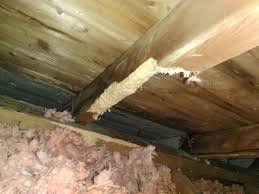
Rats in the roofing and in the attic can easily destroy your house without your notice. They gnaw on the insulation and electrical wiring, creating hidden safety risks and expensive repairs. Broken insulation diminishes the efficiency of your home, and exposed wires may cause electrical fires. In many cases, house owners may not notice these problems until their lights begin to oscillate or some unusual smells develop.
The most effective prevention of such risks is routine inspection of the roof, rodent pest control, and electrical maintenance. A combination of those measures helps to safeguard the structure, energy efficiency, and safety of your home as well as makes sure that minor pest concerns would not become major damaged property issues.
Roof Entry Points
Cracked or Displaced Roof Tiles
Rats are really fast and can find their way through the tiniest cracks formed by broken or displaced roofing. Once inside them via these holes, they speedily protect nests in the insulation, tearing it open to warm them. In the long run, this will destroy your roof’s energy efficiency, as well as its structure. Periodic checks and timely reroofing will help in such holes being patched up before access is provided to any pests, and your home will remain intact in general.
Damaged Flashing and Roof Valleys
Roof valleys and flashing are essential areas that close the joints and flow of rainwater. Once these parts start getting loose or wear out, they provide large points through which rodents can penetrate. When they get inside, the pests will damage insulation in addition to biting the electrical wiring. During the process of reroofing, worn-out flashing is replaced, and this serves as the permanent barrier against infestation as well as lowering future repair expenses.
Unsealed Vents and Gutter Gaps
Ridge caps, roof vents, and gutter joints are some of the access points used by rodents that tend to be ignored. Unless these areas are sealed, pests are able to crawl over them and do some damage to insulation and wiring. These risks can be greatly minimised by installing metal mesh covers on vents and by sealing all the gaps in the gutters. These measures, combined with the professional project of reroofing your property, will develop your roof as pest-proof and structurally safe throughout the years.
Electrical Damage
Chewed Wires and Fire Hazards
To sharpen their teeth, rodents chew on wires, exposing live circuits and risking fire. Damaged cables may result in short circuits, flickering lights, or an electrical failure. A local electrician can also be hired to inspect and repair chewed wiring, and this will ensure the safety and conformity. Replacement of wires that are affected and re-done early to prevent any electrical disasters in your house and your family.
Power Fluctuations and Hidden Risks
When rodents damage electrical wiring, the effects often appear as power fluctuations or burning smells. These issues may seem minor, but they can signal a dangerous fault behind walls or ceilings. A licensed local electrician can identify and isolate these hazards before they escalate. Professional assessment ensures your electrical system remains efficient, secure, and free from rodent-related damage.
Professional Inspections and Maintenance
Routine inspections by a local electrician can prevent small electrical problems from becoming serious hazards. Electricians use diagnostic tools to locate chewed cables, test circuits, and ensure your system operates safely. Scheduling these checks annually, especially after pest infestations, keeps your electrical network reliable and compliant with safety standards, while reducing future risks of fires or costly breakdowns.
Pest Elimination
Identifying Signs of Rodent Activity
Rodents usually deposit drops, bites, and damp smells in the attic or ceiling cavities. The early identification of the signs is beneficial in averting massive infestations. Professional rodent pest control services should be called to check the occurrence of pesticides and properly and safely remove the types of animals before they reproduce. Acting fast helps save structural damage, preserve your insulation, and ensures that your family does not suffer any health-related risk as a result of being contaminated by rodents.
Safe and Effective Rodent Removal
Safe and targeted ways of destroying infestations on your property are practised by professional rodent pest control agents. In contrast to the traps or poisons that people make themselves, scientists find the nesting places and use permanent chemicals that eliminate the cause of the problem. They also recommend sanitation and exclusion methods to avoid recurrence. By combining these techniques, your home will be free of rodents and other bugs during the entire season.
Long-Term Prevention and Hygiene
Ridding the rodents is not the only thing; avoiding their reoccurrence is also a priority. Rodent pest control specialists assist in sealing any entry points, damaged insulation, and provide suggestions on the maintenance schedule. Having your roof, vents, and wiring maintained regularly can also reduce the chance of being re-infested. Regular cleaning and post-treatment also mean long-term safety and cleanliness of your home and the absence of pests.
Wrap-Up
Addressing pest damage requires a complete approach involving roofing, electrical, and pest professionals. Reroofing, pest control, and electrical inspections together ensure your property stays structurally sound and safe from fire risks. Regular upkeep keeps your roof sealed, wiring protected, and insulation intact. Investing in prevention today avoids expensive repairs and maintains your home’s safety and comfort for years to come.
Frequently Asked Questions
What signs indicate rodents in my roof space?
You might hear scratching noises, notice droppings, chewed insulation, or find a musty smell. These are clear indicators that rodents have nested in your attic or ceiling space.
Can rodents cause electrical fires?
Yes. Rodents chew through insulation on wires, exposing live currents that can lead to sparks, short circuits, or electrical fires. Immediate inspection by a local electrician is crucial.
How does reroofing help prevent pest infestations?
Reroofing seals cracks, fixes broken tiles, and strengthens weak areas, preventing rodents from entering roof cavities. It also replaces damaged insulation affected by pests or moisture.
Is professional rodent pest control necessary?
Yes. Rodent pest control experts use targeted methods to remove infestations safely and stop future entry. Their solutions are more effective and lasting than DIY traps or poisons.
How often should I inspect my roof and wiring for damage?
Schedule yearly inspections by a roofer and an electrician. Regular checks help identify damage early, keeping your home protected from pests, wiring faults, and potential safety hazards.