Understanding Dental Implants
Dental implants have become one of the most trusted ways to replace a missing tooth, offering a natural feel and a long-lasting solution. Many people thinking about implants have questions about pain, healing time and what the final results will look and feel like. This guide explains each stage in simple terms, helping you feel more confident before starting treatment. Dental implants are designed to function much like natural teeth, sitting securely in the jawbone and supporting a strong, stable crown. While the process takes time, the results are often worth the wait, especially for patients looking for a long-term and reliable restoration.
Does the Dental Implant Procedure Hurt?
One of the biggest worries people have is whether the implant placement will be painful. Most are pleasantly surprised to find the procedure is usually much more comfortable than expected. During the appointment, https://www.purleydentalcare.co.uk will numb the area fully with local anaesthetic to ensure you do not feel pain while the implant is being placed. You may still be aware of gentle pressure or movement, but it will not be sharp or uncomfortable. If you have ever had a filling, the sensation is very similar.
Once the implant is in, the numbness wears off slowly. At that point, it is normal to feel mild soreness, similar to what you might feel after biting your cheek or having a bruise. Most people say the discomfort is manageable and lasts only a few days. Over-the-counter pain relief is usually enough, and your dentist will give you clear guidance on what to take. Some patients also feel slight swelling or tenderness around the gums. This is completely normal and part of the body’s natural healing response. Ice packs, soft foods and rest on the first day can help reduce any discomfort and make healing easier.
What Happens Straight After the Implant is Placed?
The first 24 hours after the implant appointment are important. Your dentist will give you instructions to protect the implant site while it starts healing. This may include avoiding hot drinks, steering clear of hard foods and rinsing gently with warm saltwater. These simple steps help keep the area clean and prevent irritation. Although it may feel a bit strange at first, the aim is to avoid disturbing the implant while the gum tissues begin to settle.
You might notice the area feels tender when you chew or press near it. Because the gum has been worked on, this is completely expected. What surprises many people is how quickly things improve within the first few days. By the end of the week, most patients feel back to normal and can eat soft foods comfortably again.
How Long Does the Healing Process Take?
Healing happens in stages. The surface tissues, meaning the gums, usually heal within one to two weeks. However, the deeper healing inside the jawbone takes longer. During this time, a process called osseointegration takes place. This means the bone gently grows around the implant, securing it firmly in place. You will not feel this process happening, but it is essential for the implant to become strong and stable.
On average, osseointegration takes eight to twelve weeks, though it may take longer depending on your personal healing speed and bone health. During this stage, you can usually eat and speak as normal, but your dentist may ask you to avoid very hard foods to prevent unnecessary pressure on the implant. Regular check-ups help your dentist monitor progress and make sure everything is healing as expected.
The Next Step: Fitting the Abutment
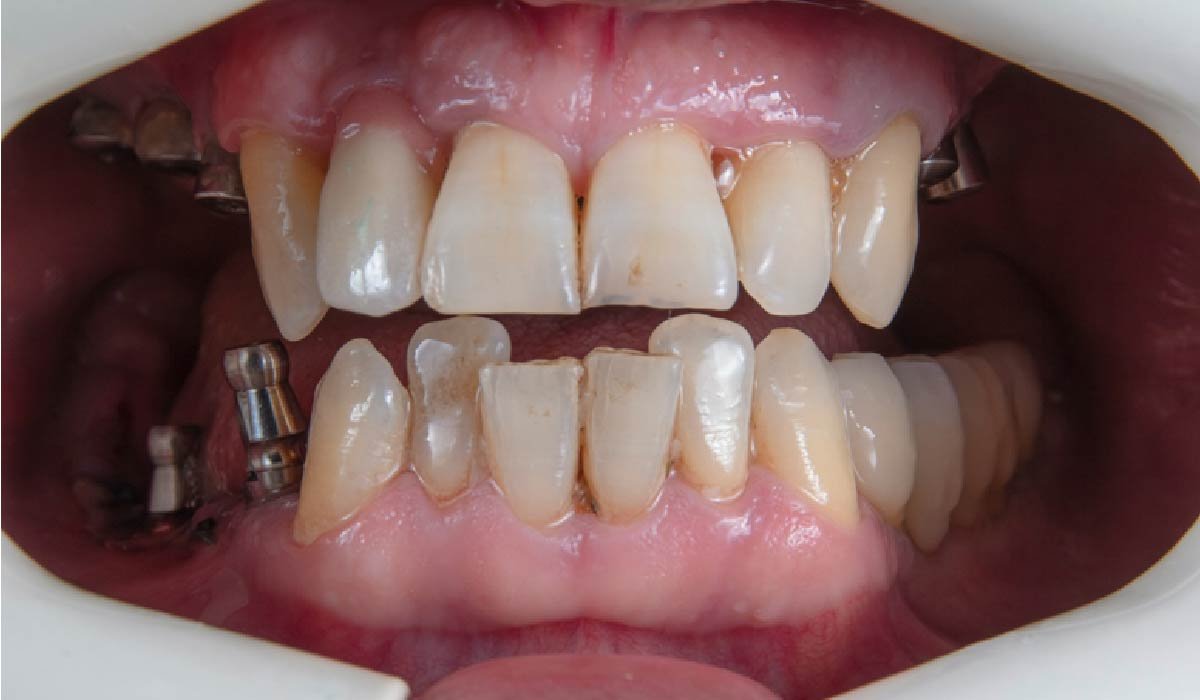
Once the implant has bonded securely with the jawbone, the next stage is fitting the abutment. This is a small connector piece that sits on top of the implant and supports the final crown. The gum may feel slightly tender after this step, but the tightness usually settles within a few days. Your dentist then takes impressions or scans so that the final crown can be custom-made. The aim is for the crown to look and feel like a natural tooth, blending in with the rest of your smile in colour, shape and size.
What the Final Results Feel Like
When the crown is fitted, most people are amazed at how natural the implant feels. Because the implant is anchored in the bone, it stays still when you speak or chew, unlike removable dentures which can move slightly. This makes everyday tasks feel simple and comfortable again. The crown will not feel separate or loose, and it should not cause rubbing or irritation. Many patients say they forget they even have an implant after a short time.
The final appearance is also very natural. Your dentist will match the crown to your other teeth so that the implant blends in seamlessly. Whether you are replacing one tooth or several, implants can help restore confidence and comfort. They also help keep the jawbone healthy, as they stimulate the bone in the same way natural tooth roots do. This helps prevent bone loss, which sometimes happens when teeth have been missing for a long time.
Looking After Your Implant
Dental implants are strong, but like natural teeth, they need care. Brushing twice daily, using interdental brushes and attending regular check-ups are essential. Your dentist may also give advice on the best brushing technique to keep the gum line healthy. Good hygiene helps protect the implant and reduces the chance of gum disease around the implant site. Most implants last many years, and many last a lifetime with the right routine.
If you smoke, your dentist may discuss how smoking can slow healing or affect gum health. Quitting or reducing smoking can support successful long-term results and help your mouth stay healthy overall.
Is a Dental Implant Right for You?
Dental implants are suitable for many adults who have lost a tooth due to decay, gum disease or injury. They can replace a single tooth or support larger restorations when needed. If you want trustworthy and detailed information about implants, the NHS explains the basics clearly.
Final Thoughts
Dental implants might sound complex, but the process is often easier and more comfortable than people expect. Pain is usually mild and short-lived, healing happens steadily and the final results can feel as strong and natural as your own teeth. Whether you want to improve your smile, eat comfortably again or find a long-lasting replacement for a missing tooth, implants are a reliable and popular option. With clear guidance from your dentist and simple daily care, implants can support your oral health and confidence for many years.