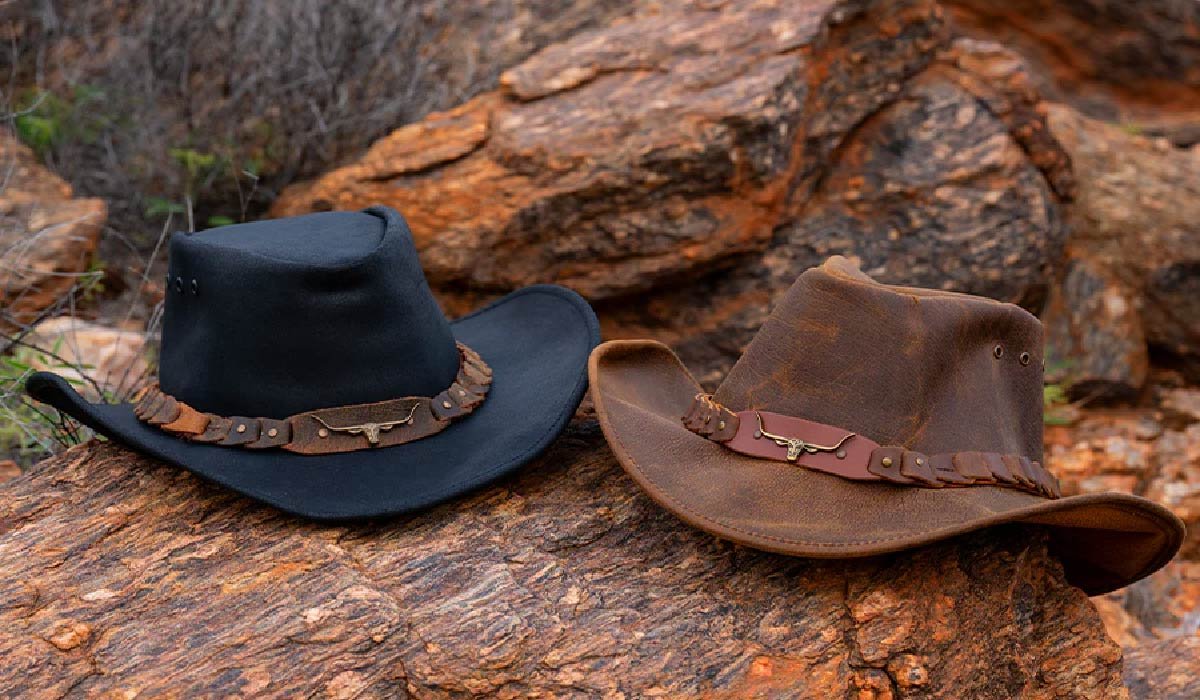
The Australian outback hat represents far more than protective headwear—it’s a cultural artifact that has evolved from essential survival gear into a globally recognized symbol of rugged style. As fashion increasingly intersects with environmental consciousness, these iconic hats have found renewed relevance among consumers seeking both authenticity and sustainability.\
Originally worn by drovers, explorers, and settlers navigating Australia’s unforgiving interior, outback hats were engineered for function: wide brims to deflect intense UV radiation, durable materials to withstand dust storms and scrub, and ventilation to manage the oppressive heat. Today’s iterations honor that practical heritage while incorporating eco-friendly materials and production methods that appeal to environmentally aware buyers. The result is a product category that bridges tradition and innovation, offering protection and style without compromising planetary health.
Varieties and Their Distinct Purposes
Contemporary outback hats encompass several distinct styles, each optimized for specific conditions and preferences:
- Leather Outback Hat: The premium choice for durability and weather resistance. Full-grain leather develops a rich patina over time while maintaining structural integrity through rain, sun, and rough handling. These hats excel in variable conditions where moisture resistance matters, though they require more maintenance than fabric alternatives.
- Australian Sun Hat: Engineered specifically for maximum UV protection, these lightweight designs feature extra-wide brims—often 3.5 to 4 inches—that shield the face, ears, and neck. Breathable materials like cotton canvas or mesh-lined crowns prevent overheating during extended sun exposure, making them ideal for tropical climates and summer activities.
- Australian Bush Hat: The versatile workhorse of the category. Typically constructed from oilskin, felt, or heavy canvas, bush hats balance protection with practicality. Their moderate brim width suits both open terrain and wooded environments where excessive width becomes cumbersome. Many feature chin straps for security during windy conditions or active pursuits.
Each style addresses different environmental challenges while maintaining the aesthetic DNA that makes outback hats instantly recognizable. The choice depends on your primary use case—whether that’s coastal sun exposure, bushwalking, or simply adding distinctive character to everyday wear.
Why the Outback Hat Endures
The persistent appeal of Australian outback hats stems from their unique combination of attributes rarely found in single products:
- Functional Excellence: These hats solve real problems. The wide brim provides measurable UV protection—critical given WHO data showing UV radiation as a primary skin cancer risk factor. Quality construction withstands conditions that destroy lesser headwear, from tropical downpours to desert heat.
- Cultural Resonance: Wearing an outback hat connects you to a specific heritage of exploration and self-reliance. That cultural weight adds meaning beyond mere utility, transforming a practical item into a statement about values and identity.
- Versatile Styling: Despite their distinctive silhouette, outback hats complement surprisingly diverse wardrobes. They pair naturally with outdoor gear for hiking and camping, add character to casual urban outfits, and even work in semi-formal contexts when chosen thoughtfully. This versatility maximizes wear occasions, improving cost-per-use economics.
- Sustainable Credentials: As discussed earlier, modern production increasingly emphasizes environmental responsibility. Choosing hats made from organic, recycled, or renewable materials allows consumers to align purchases with ecological values without sacrificing quality or style.
- Investment Value: Unlike fast-fashion accessories designed for single-season relevance, quality outback hats appreciate aesthetically as they age. The patina that develops on leather, the softening of canvas, the subtle fading of colors—these changes enhance rather than diminish appeal, creating items that improve with time.
These converging benefits explain why outback hats have transcended their geographic origins to achieve global recognition. They represent a category of product that modern consumers increasingly seek: items that combine authentic heritage, practical function, aesthetic appeal, and environmental consciousness in a single package.
Choosing Your Hat
Selecting the right outback hat requires considering several factors beyond simple aesthetics. Start by honestly assessing your primary use case—will this be daily urban wear, occasional outdoor recreation, or serious backcountry gear? That answer should guide material and style choices.
For maximum sun protection during extended outdoor exposure, prioritize brim width and UPF-rated fabrics. If you need weather versatility, leather or oilskin provides superior moisture resistance. Those seeking minimal maintenance might prefer canvas or synthetic blends that tolerate casual care.
Fit matters enormously for comfort and function. Hats should sit comfortably without pressure points, with enough room for air circulation but not so loose they catch wind. Many quality manufacturers offer multiple crown heights and brim widths within each style, allowing precise matching to head shape and face proportions.
Consider the hat’s origin and production methods if sustainability matters to you. Manufacturers transparent about their supply chains and material sourcing typically demonstrate genuine commitment to environmental responsibility rather than superficial greenwashing. Look for specific claims about organic certification, recycled content percentages, or third-party sustainability verification.
Finally, think long-term. A slightly higher initial investment in superior materials and construction pays dividends through extended lifespan and reduced replacement frequency. The most sustainable hat is the one you’ll still be wearing a decade from now—choose accordingly.
Manufacturers transparent about supply chains and material sourcing include Conner Hats, Akubra, and options at REI. Reviewing whether a brand specifies organic certification details or recycled content percentages—rather than vague ‘eco-friendly’ claims—separates genuine sustainability commitments from marketing language.