How Healthcare Mobile App Development Companies Build Interoperable Apps with EHR/EMR Integration

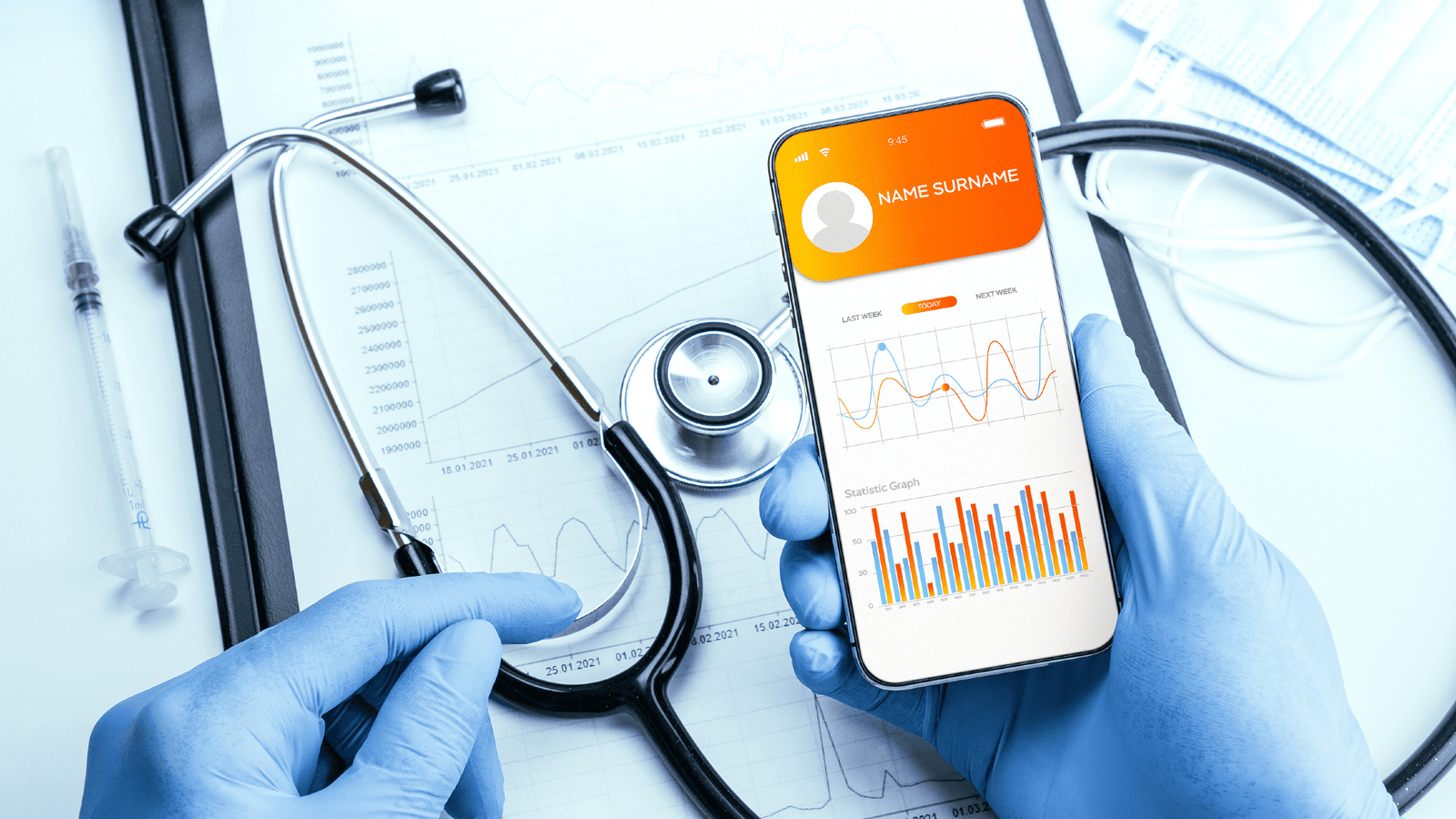
If you speak with any hospital CIO today, whether in the U.S., Europe, Southeast Asia, or anywhere else, the conversation eventually lands on one problem: their systems still don’t talk to each other the way they should.
Mobile apps are everywhere, yet very few actually connect cleanly to the hospital’s EHR or EMR. That’s exactly why organizations bring in a healthcare mobile app development company that knows how to build apps capable of syncing and exchanging clinical data without breaking existing workflows.
The push for interoperability isn’t theoretical anymore. Hospitals across continents are streamlining patient journeys using unified digital systems. A large U.S. network recently upgraded its patient mobile app to pull real-time prescription data directly from the EHR so patients could refill medication from home. Meanwhile, several European hospitals have been consolidating lab reports, imaging files, and discharge summaries into a single mobile interface to cut down on follow-ups and administrative calls.
This isn’t just a regional trend; it reflects a worldwide shift toward better data mobility.
Why Interoperability Has Become a Top Priority for the Healthcare Sector
In most hospitals, patient data lives in separate corners. A doctor has access to one part of the record, a lab technician updates another, and the pharmacy runs its own system.
When an app can bring all of that together, care becomes faster and cleaner. Doctors spend less time hunting for information, patients don’t repeat what they’ve already shared, and administrators finally see fewer reconciliation errors.
It also makes care safer. If a clinician can see allergy information or medication history in a matter of seconds during a consultation, the chances of mistakes drop sharply.
Key Features That Make an App Truly Interoperable
Most healthcare providers expect their apps to support these interoperability-driven capabilities:
- Real-time patient data sync
- Instant access to vitals, procedures, and clinical history reduces treatment delays.
- Secure messaging between clinicians
- App-based communication backed by EHR data improves team coordination.
- Automated appointment & prescription management
- Reduces administrative burden and helps patients self-manage care.
- Integrated lab & imaging reports
- Ensures specialists can review results without toggling between multiple systems.
- Care pathway tracking
- Supports chronic disease programs, remote monitoring, and post-operative care.
How Healthcare App Development Teams Approach EHR/EMR Integration
Although every hospital’s technology stack looks different, experienced development companies follow a disciplined process that keeps clinical workflows at the centre. The steps below show how leading engineering teams execute it.
Understanding What Already Exists
Before touching a line of code, engineers dig into the hospital’s current setup. Some organizations use modern, API-friendly systems like Epic. Others still run older EMRs that require more careful handling. Developers need to understand data formats, security policies, and how different departments use the system so they don’t build something that clashes with real workflows.
Bringing Structure Through FHIR
With the EHR mapped out, the next step is ensuring the app can read and interpret data correctly. That’s where FHIR comes in. It brings a level of predictability to data exchange. Whether it’s vital signs, lab results, notes, or medications, FHIR gives developers a consistent way to request and share information.
It’s now widely used across continents, making global interoperability more achievable than ever.
Choosing the Best Integration Approach
Not every hospital integrates the same way. Some prefer direct API connections. Others use middleware to bridge older systems. Larger networks sometimes plug into regional or national health information exchanges.
The goal isn’t to force one method. It’s to pick the right approach that keeps the app stable as systems evolve or expand.
Security Comes Right After the Architecture
Because health information is sensitive, security planning starts early. App developers work on authentication flows, data encryption, and access controls long before launch to ensure secure app development and EMR integration services. Also, healthcare organizations expect compliance with laws like HIPAA, GDPR, or country-specific regulations; so developers design with these frameworks in mind.
Validating the App With Real Clinical Work
Once the technical backbone is ready, the app goes into real-world testing. Doctors try to retrieve notes during rounds. Nurses test how quickly they can update vitals. Pharmacists check whether prescription data pulls correctly. This phase often reveals things that were impossible to guess during planning, such as a department needing quicker access to imaging reports or a workflow requiring fewer taps.
What an Interoperable App Should Deliver
When the integration is done right, the app blends into everything the hospital already does.
- Clinicians can pull a patient’s entire journey in seconds.
- Lab results appear automatically.
- Appointment histories sync without effort.
- Patients get a smoother experience because they don’t have to repeat the same information at every desk.
This sort of fluid experience is becoming the global benchmark.
Challenges Developers Need to Navigate
Even though FHIR has made life easier, interoperability still comes with some hurdles.
- Older EMRs might not support all data formats.
- Some hospitals store years of handwritten or unstructured notes that need careful conversion.
- Clinical workflows vary significantly from department to department, which means the app must adapt to people, not the other way around.
- There’s also the challenge of balancing speed with accuracy, especially when multiple systems are syncing data at once.
Addressing these early in the development cycle reduces delays and ensures faster go-lives.
Why the Right Partner Matters
EHR integration isn’t something any app vendor can pick up casually. It requires understanding how hospitals operate, how clinical data behaves, and how to design systems that remain dependable under real pressure.
That’s why many organizations prefer working with an experienced healthcare app development company such as Appinventiv, which has handled complex healthcare builds and interoperability projects across multiple continents.
A reliable partner doesn’t just build the app; they anticipate issues that hospitals don’t always see coming.
Closing Thoughts
Interoperability has moved from “nice to have” to something that shapes how healthcare operates day to day. Apps that connect directly with EHRs give clinicians more time, reduce errors, and create a more connected patient experience. But building such systems isn’t straightforward. It requires technical maturity, a strong grasp of healthcare operations, and the ability to design for long-term stability.
For hospitals planning to modernize or expand their digital ecosystem, choosing the right development partner can make the difference between an app that works on launch day and one that supports the organization for years to come.