
Neurology Hospital in Pimpri: Understanding Neurological Services, Diagnosis & Treatment Options

Neurological symptoms can be difficult to interpret. A persistent headache may have a relatively common cause, while sudden weakness, difficulty speaking, seizures or loss of balance can sometimes signal a serious neurological problem requiring urgent evaluation. For people in Pimpri-Chinchwad and Pune, knowing when to consult a neurologist—and what to expect from a neurological evaluation can make healthcare decisions less stressful.
When comparing options for the best neurology hospital in Pimpri, patients and caregivers should look beyond location alone. Access to neurologists, appropriate diagnostic facilities, emergency care, rehabilitation and coordinated treatment can all matter depending on the condition. Neurological care may involve medical treatment, surgery, rehabilitation or a combination of these approaches.
What Does a Neurology Hospital Treat?
Neurology focuses on disorders affecting the brain, spinal cord, peripheral nerves and muscles. A neurologist evaluates symptoms, identifies possible causes and recommends appropriate investigations or treatment.
Common neurological conditions include:
- Stroke and transient ischaemic attacks
- Epilepsy and seizures
- Migraine and other headache disorders
- Parkinson’s disease and other movement disorders
- Multiple sclerosis
- Dementia and Alzheimer’s disease
- Peripheral neuropathy
- Neuromuscular disorders
The symptoms of these conditions can overlap. Numbness, weakness, dizziness, memory changes or difficulty walking, for example, can have several possible causes. This is why self-diagnosis is unreliable and a proper neurological assessment is important.
Neurological Services: What Can Diagnosis Involve?
A neurological assessment generally starts with a detailed medical history and physical examination. The clinician may assess strength, reflexes, sensation, coordination, balance, speech, vision and cognitive function depending on the symptoms.
MRI or CT scans: Brain and spine imaging can help identify conditions such as stroke, bleeding, tumours, structural abnormalities and certain injuries. MRI provides detailed images of soft tissues, while CT can be particularly useful when rapid assessment is required.
EEG: Electroencephalography records electrical activity in the brain and can assist in evaluating seizures and certain other disorders affecting brain activity.
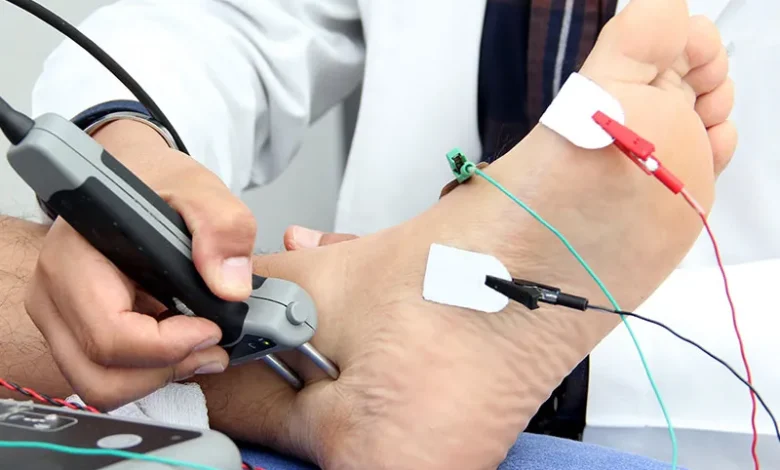
EMG and nerve conduction studies: These tests assess the electrical function of muscles and nerves and can help investigate peripheral nerve and neuromuscular problems.
Blood and cerebrospinal fluid tests: Depending on the clinical situation, laboratory investigations can help identify infection, inflammation, metabolic problems, autoimmune conditions or other causes of neurological symptoms.
For someone looking for a Neurology Hospital in Pimpri Chinchwad, Pune, it is therefore useful to consider whether the facility can support the diagnostic pathway appropriate to the patient’s condition rather than focusing only on the availability of outpatient consultations.
What Treatment Options Are Available?
Neurological treatment varies considerably because neurological disorders have different causes and levels of severity.
Depending on the diagnosis, treatment may involve:
- Prescription medicines to control seizures, headaches, movement symptoms or other neurological problems
- Medicines and other interventions to reduce the risk of recurrent stroke
- Surgical treatment for selected brain, spine or vascular conditions
- Physiotherapy, occupational therapy or speech and language therapy
- Cognitive and behavioural rehabilitation
Some patients may require input from several specialists. For example, complex neurological conditions can involve neurologists, neurosurgeons, radiologists, rehabilitation professionals, critical-care specialists or other medical teams.
At Aditya Birla Memorial Hospital in Pimpri-Chinchwad, the neurology department describes care for conditions including stroke, brain trauma, epilepsy, Parkinson’s disease, multiple sclerosis and neuromuscular disorders. The hospital also lists EEG, EMG and nerve-conduction studies and lumbar puncture among its neurological diagnostic services.
For readers researching trusted multispeciality hospitals in Pimpri, services and treatment information can provide further information about the neurological conditions and diagnostic services offered.
When Should You Consult a Neurologist?
Not every headache or episode of dizziness indicates a neurological disorder. However, persistent, recurrent or unexplained symptoms deserve medical assessment.
Consider speaking with a qualified healthcare professional if you experience:
- Recurrent or unusually severe headaches
- Persistent dizziness or balance problems
- Repeated numbness or tingling
- Tremors or involuntary movements
- Unexplained muscle weakness
- Recurrent seizures or episodes of altered awareness
- Memory or cognitive changes affecting daily activities
- Persistent changes in speech, vision or coordination
How to Choose a Neurology Hospital in Pimpri-Chinchwad
When comparing multispeciality hospitals in Pimpri or dedicated neurological care facilities, consider questions such as:
- Does the hospital have qualified neurologists and access to relevant specialists?
- Can it provide the diagnostic tests that may be required?
- Is emergency neurological care available when needed?
- Does it provide rehabilitation or coordinate post-treatment care?
- Can different specialties work together for complex cases?
For conditions involving head injury, for example, diagnosis may involve neurological examination, cognitive assessment and imaging depending on the circumstances. Readers can also review ABMH’s information on traumatic brain injury diagnosis and treatment to understand how neurological assessment and recovery planning may work.
Conclusion
Choosing a neurology hospital in Pimpri-Chinchwad should be based on the type of neurological problem, available diagnostic capabilities, specialist expertise, emergency support and access to rehabilitation or follow-up care. Most importantly, neurological symptoms should not be dismissed or self-diagnosed, particularly when they are sudden or worsening.
Frequently Asked Questions
1. What is the difference between a neurologist and a neurosurgeon?
A neurologist primarily diagnoses and medically manages disorders of the nervous system. A neurosurgeon specialises in surgical treatment of selected conditions affecting the brain, spine and nervous system.
2. What symptoms should prompt a neurological consultation?
Persistent headaches, seizures, tremors, unexplained weakness or numbness, balance difficulties, memory changes and problems with speech or coordination can warrant medical evaluation.
3. Is sudden weakness always a neurological emergency?
Sudden weakness, particularly when it affects one side of the body or occurs alongside facial drooping or speech difficulty, can be a sign of stroke and requires emergency assessment.